
Flooring Professionals To The Leisure Industry
Courtship Flooring is a commercial sports flooring contractor working in Inverness and across the UK. We plan Highland work as concentrated visits with everything agreed and priced before travelling.
This is all we do, and we have been doing it since 1987. Installation, restoration, sanding, sealing, line marking, slip testing and maintenance for commercial and institutional buildings, delivered without subcontractors. Residential projects go to our sister company, Ryan’s Restorations.
Everything set out on our main sports hall flooring page is available to schools, leisure centres and clubs in Inverness.
Overnight/Weekend Installations
Professional Cleaning Demonstrations
Squash Court Maintenance
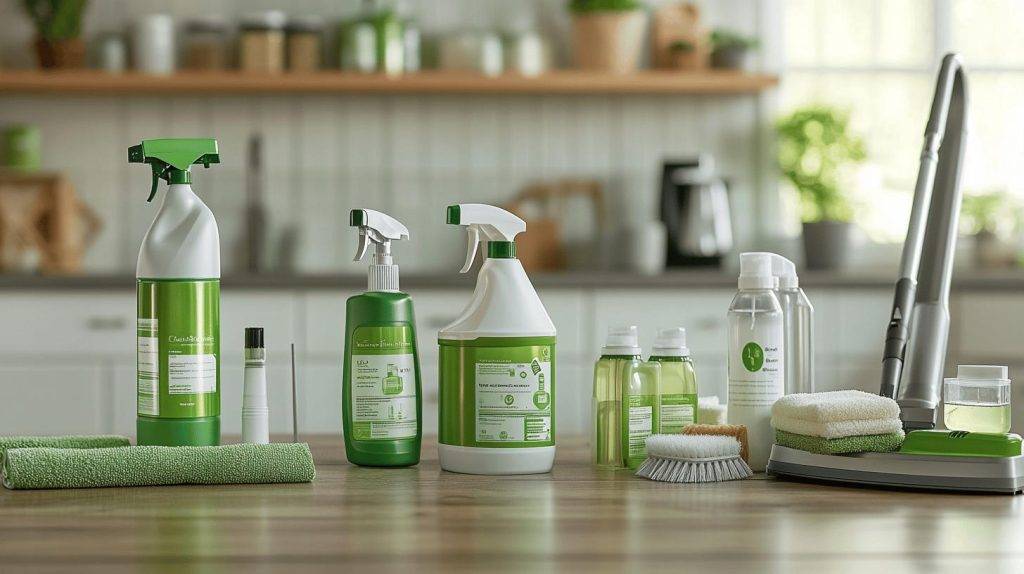
Recommended Cleaning Products
Professional Pendulum Slip Testing
Deep Clean & Reseal Service
Remote facilities are frequently quoted a premium that reflects inconvenience rather than genuine cost, or told the work is not viable at all. We take a different view: distance is a logistics problem with a logistics solution.
Work is quoted as a complete programme with travel and mobilisation stated openly. Everything needed arrives at the outset, and the job finishes in one visit.
In smaller and more isolated communities a single hall carries an unusual amount: sport, social events, meetings, performances and sometimes emergency use. Its floor absorbs all of it.
We specify for that reality rather than for sport alone, and give honest advice about what a single surface can and cannot do well. Where budgets are constrained we price the option that delivers most benefit rather than the largest scope.
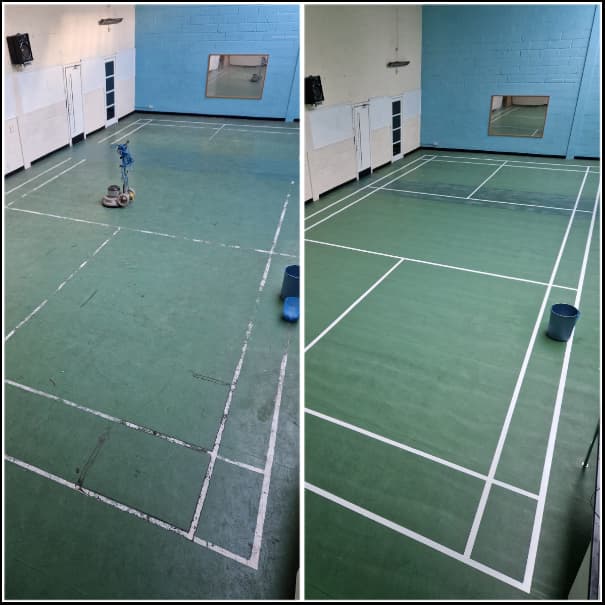
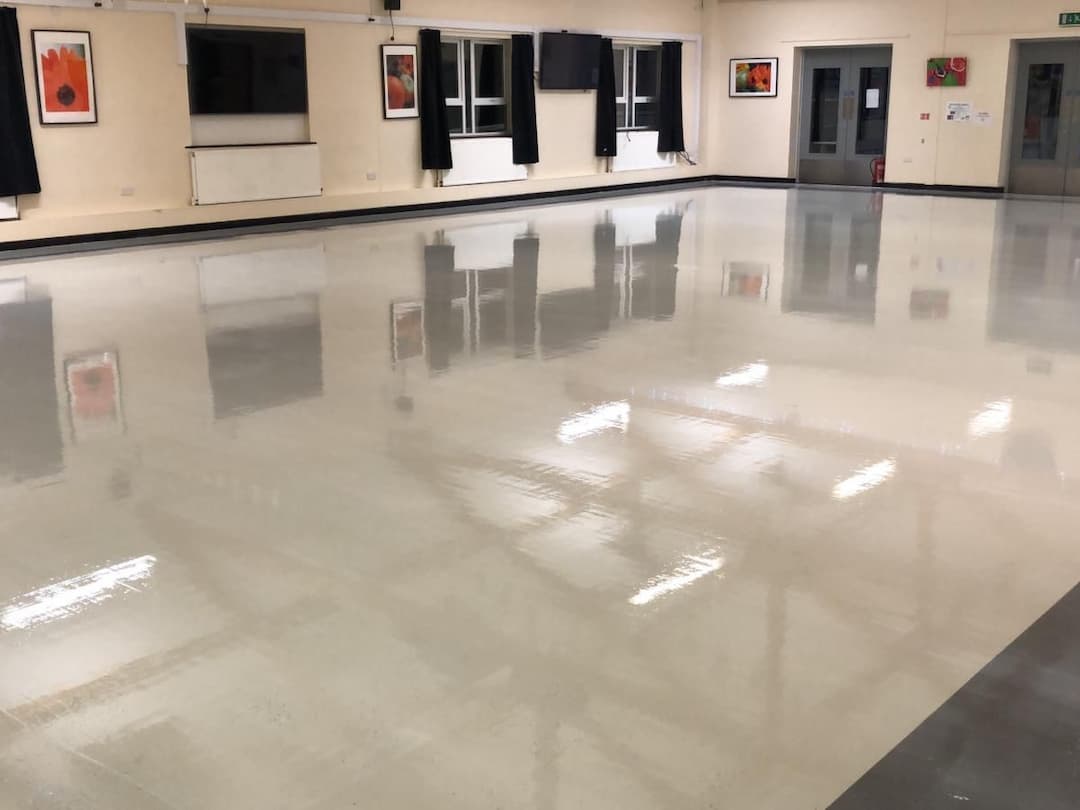
Where a contractor is on site anyway, it makes sense to complete everything worth doing. A deep clean, condition inspection, minor repairs, relining and a slip test can all be carried out alongside the main work at marginal additional cost.
We will suggest that combination openly, because the alternative is paying mobilisation twice for work that could have been done together.
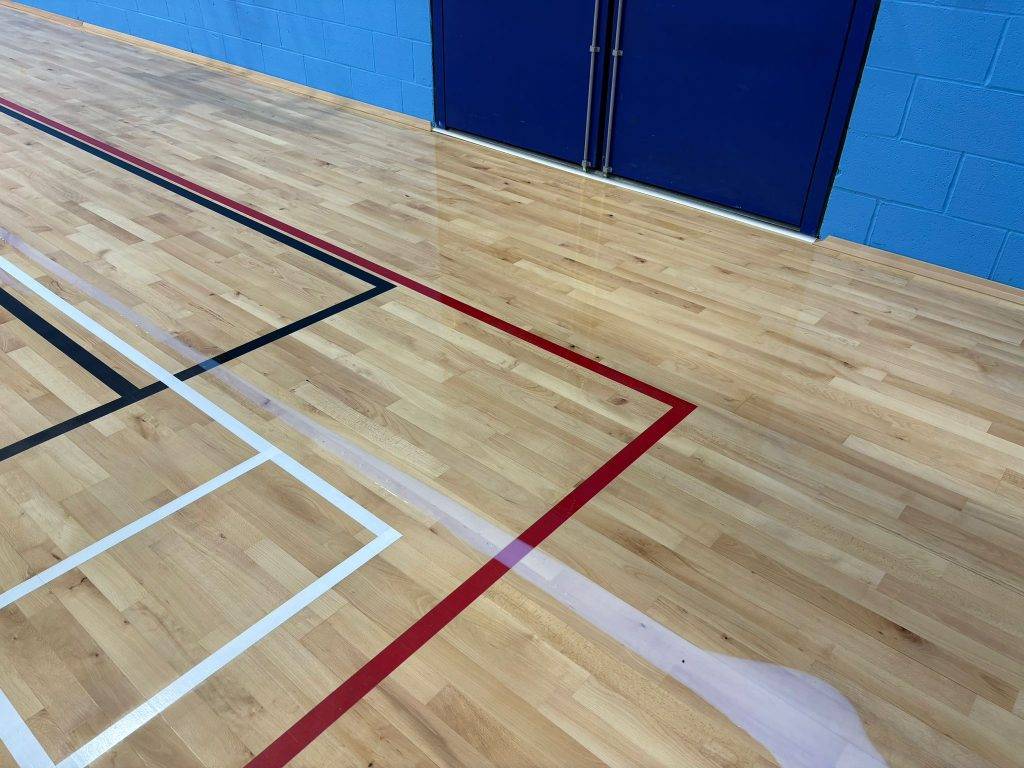
Our installation at Hornbury Academy shows the full process from bare sub-floor through to a finished, fully line-marked hall, delivered to a fixed programme while the school carried on around us.
For anyone weighing a new floor against another patch-up, it is a useful illustration of what the complete journey involves and what it produces.
~ Matthew Evans
An outstanding company to deal with and they couldn’t have been better to work with. St George’s Ascot now has a stunning new sports hall floor and we are delighted. From quote, support, delivery and after sales, the Team has been brilliant. Thank you. 
~ James Anderson







Timber takes up and gives off moisture with the air around it, and a Highland building sees wider swings than most. A wet autumn with the heating off, then a long heated winter, then a damp spring puts a sports floor through a full cycle of swelling and shrinking every year.
Small gaps opening between boards in February and closing again by June are normal and not a defect. What we watch for is movement that does not recover, cupped boards, or a floor that has been fitted tight against the walls with no expansion gap and has nowhere to go.
The practical advice is simple. Keep the hall heated at a steady background level through the shutdown instead of letting it go cold, and deal with roof and gutter leaks quickly. A floor that lives in a stable room in Inverness lasts as long as one anywhere else.
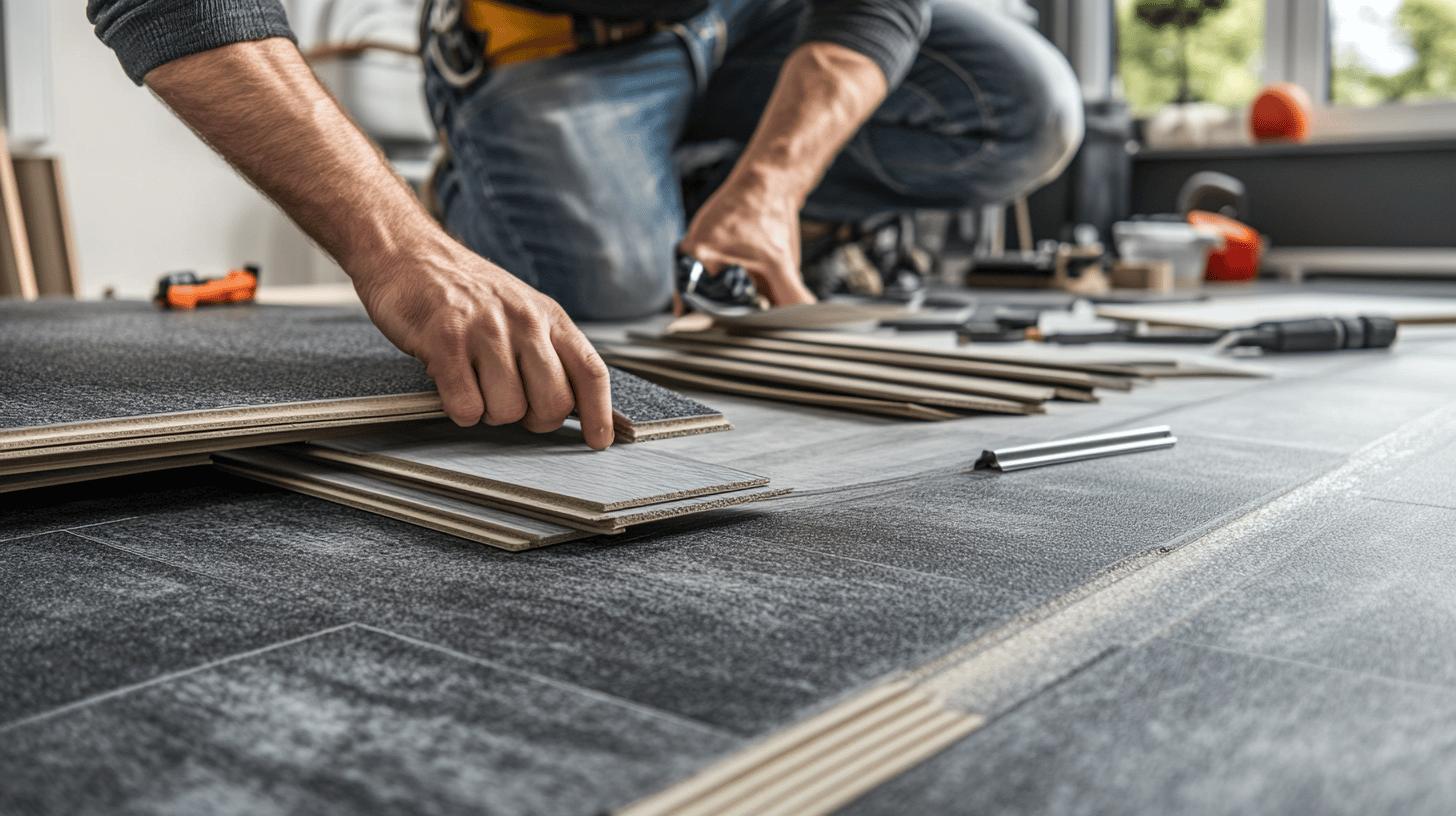
Sports floors are classified by how they give underfoot. An area elastic floor is a timber deck on battens, cradles or resilient pads, and the whole panel flexes as a unit when a player lands. A point elastic floor, usually vinyl or polyurethane on a foam layer, deforms only at the point of contact.
Area elastic timber suits multi use halls because it returns energy evenly, stands up to chairs and staging, and can be refinished for decades. Point elastic surfaces are gentler on joints for the very young and the very old and are simpler to clean, but they cannot be sanded back once worn.
BS EN 14904 sets the performance ranges for shock absorption, vertical deformation, ball bounce and friction. We specify against those figures and against what the hall is used for, and we show you the test data before you commit.
A soft spot, a board that clicks, or an area that feels dead under a bouncing ball is rarely a problem with the boards you can see. It is almost always the structure beneath them, and refinishing the surface will not touch it.
Battens split, rubber pads perish and lose their spring, cradles rot where a leak has gone unnoticed, and fixings work loose after thirty years of landings. We lift the affected boards, expose the framework, replace what has failed with matching components and re-lay the original timber wherever it is sound.
The repair then disappears into the full sand and seal that follows. On a rural site a long way from our base we bring a stock of battens, pads and spare boards with us, because finding out on day two that the sub-structure is worse than expected must not stall the job.
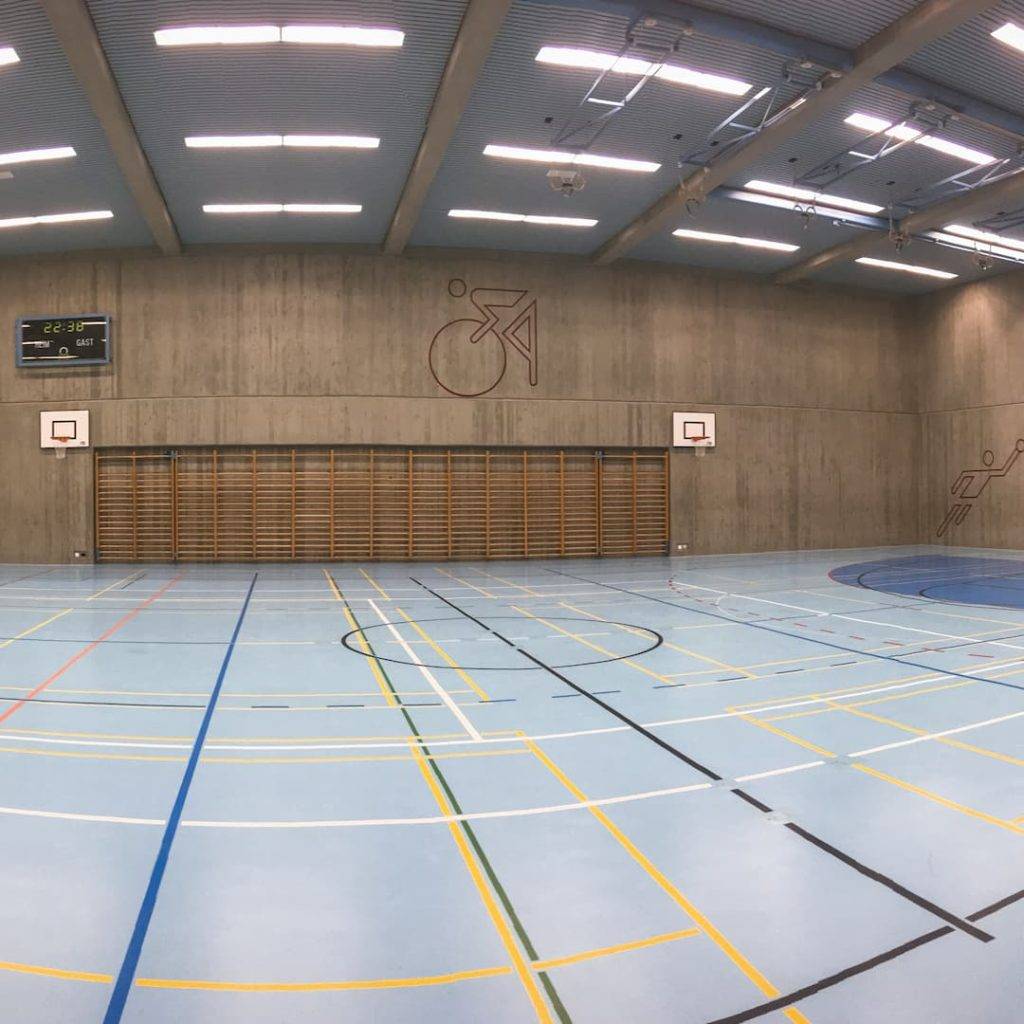
Inverness work comes to us from council leisure facilities, secondary school sports halls, college sport and a number of club buildings.
Leisure centre halls are usually the busiest floors and the ones that benefit most from a proper maintenance cycle. Catching a floor with a screen and recoat before the seal wears through to bare timber is what keeps it off the replacement list, and it costs a fraction of a full refinish.
School halls follow the fixed term calendar, and in this part of the country the school hall is frequently the main indoor sports facility for the surrounding area as well, which means it takes a great deal more traffic than the timetable alone suggests.
Because we travel to reach the Highlands, projects here are planned as continuous blocks with everything brought with us rather than collected locally. That makes the programme tighter and the dates more reliable.
It also means sequencing is worth doing. Two or three jobs booked into one trip brings the cost down for all of them, so it is worth mentioning if you know of another facility considering work.
The enquiries that reach us from Inverness tend to fall into three groups.
Leisure centre halls are usually the busiest floors in the area and the ones most in need of a maintenance cycle rather than a rescue. A screen and recoat every two to three years costs a fraction of a full refinish and keeps a floor off the replacement list.
School halls more often arrive overdue, and because the school hall frequently doubles as the main indoor sports space for the surrounding area it takes considerably more traffic than curriculum use alone. Those floors wear faster than the timetable would suggest, and they benefit most from being put on a proper cycle afterwards.
The third group is markings. Courts remarked by copying the previous set drift over the years, and we set out from measured governing body dimensions instead, which frequently corrects errors that have been quietly affecting play for a long time.
Yes. We do not charge for surveying or quoting a commercial sports floor in the Inverness area. We combine survey visits across the Highlands where we can, and the quotation you receive is a fixed price for a defined scope, so the distance does not turn into an open ended bill.
We can. A pendulum slip test gives a measured value at several points across the hall and a written certificate you can put in front of an insurer or a governing body. It also tells us whether the cause is polish build up, worn seal or grit walked in from outside.
Staff can walk on it in soft shoes after 24 hours. Full sport, benches, trolleys and post sockets in use wait 72 hours or more, because two pack polyurethane keeps hardening for several days. We build those hours into the programme so the handover date already allows for them.
Yes, and for busy leisure halls it is often the sensible option. We work after the last booking, seal at the end of each shift and the floor is walkable by opening time. It adds cost against a clear week, but it usually costs less than the bookings you would otherwise lose.
Almost always. Granwood blocks are dense enough to sand several times and take an epoxy coating that brings back colour and grip. The one caution is the bitumen bed beneath, which on older floors may contain asbestos, so we test before disturbing it and normally leave it undisturbed.
Cover it. A proper protective covering laid before desks, chairs and staging go in takes the scrapes and lifts afterwards in an hour. We advise on the right type for your surface and how to store it rolled so the covering itself does not mark the finish.
A neutral pH cleaner made for sealed sports floors, applied with a damp mop after the grit has been dry mopped off. Avoid polish, wax, bleach and anything sold as a floor shine. Those products are behind most of the slippery floors we are asked to fix.
Yes, and a relining is the right time to do it. We look at samples on the floor under your own hall lights, because LED fittings change how colours separate. The aim is fewer lines in colours that read clearly for the sports you teach, with the redundant sets removed.
Book a free survey of your sports floor in Inverness and you will get a clear written answer on condition, cost and the earliest dates we can be on site. Call 01823 674562 or send us a message.