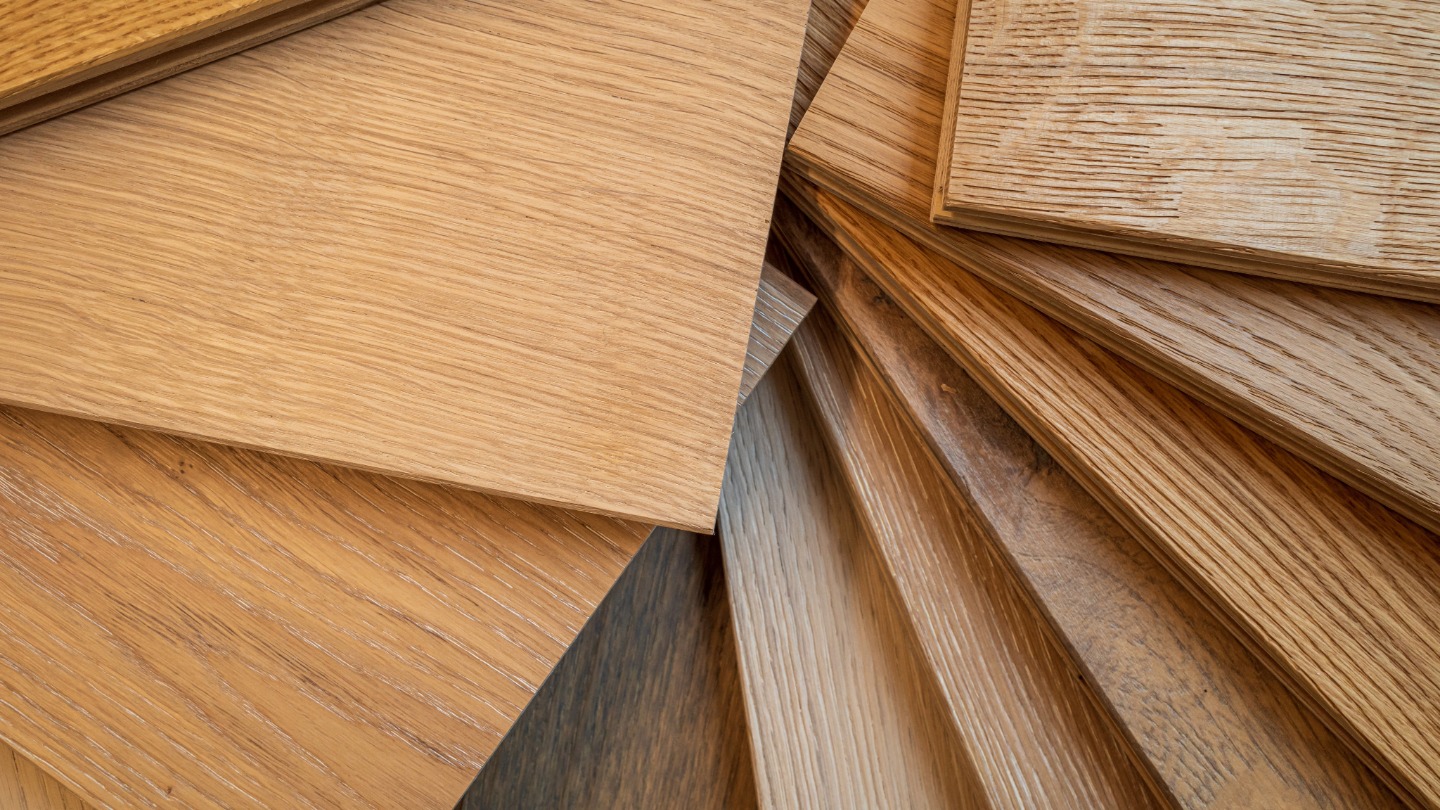
So, you’re trying to figure out what kind of flooring to put in your school halls? It’s a big decision, especially when you’ve got kids running around all day. We’re going to look at two popular options: good old Granwood and the newer polyurethane stuff. Which one is going to stand up to the chaos better and keep everyone safe? Let’s break it down.
Key Takeaways
- Granwood flooring is a classic, made from wood chips and cement, known for its natural look and solid feel. It’s been around for ages and has a certain charm.
- Modern polyurethane floors are synthetic, often used for sports, and are known for their smooth, often colourful surfaces and good shock absorption.
- When it comes to surviving bumps and scrapes, both have their strengths. Granwood is tough, but polyurethane can be more forgiving with impacts, though it might show scuffs.
- Cleaning both types is pretty straightforward for daily messes. However, Granwood might need more serious refinishing over time, while polyurethane is generally easier to keep looking fresh.
- Safety is a big deal. Polyurethane often offers better grip, especially when wet, which is a plus for busy school corridors. Always check that the flooring meets safety rules.
Understanding Granwood Flooring: A Classic Choice
What Exactly Is Granwood?
So, what’s the deal with Granwood? Basically, it’s a type of flooring made from a mix of wood particles, usually from sustainable sources, bound together with a resin. Think of it like a really tough, compressed wood product. It’s not just solid wood planks, but more of a composite material. This gives it a unique look and feel, often with a speckled or textured appearance that’s quite distinctive. It’s been around for ages, especially in places that see a lot of foot traffic.
The Traditional Appeal of Granwood
Granwood has a certain old-school charm, doesn’t it? It’s the kind of flooring you’d find in older schools, community halls, and sports centres. It’s got that classic, no-nonsense vibe. People like it because it feels solid and dependable. It’s not trying to be fancy; it just gets the job done. This traditional appeal means it’s often chosen for its history and the reliable performance it’s known for.
Where Granwood Shines
Granwood really comes into its own in environments that are tough on floors. We’re talking about places where people are constantly walking, running, and dropping things. School hallways are a prime example. It’s also a good shout for:
- Gymnasiums
- Assembly halls
- Dance studios
- Workshops
Basically, anywhere that needs a floor that can take a beating and keep on going without looking too worse for wear. It’s a practical choice for busy, active spaces.
The Rise of Modern Polyurethane Sports Floors
What Makes Polyurethane Different?
So, what’s the deal with polyurethane flooring? It’s a bit of a game-changer, really. Unlike older finishes, polyurethane is a synthetic polymer that’s applied in liquid form. It cures to create a tough, flexible, and really durable surface. Think of it like a super-strong, clear coat for your floor. It’s not just one thing, either; there are different types, like water-based and solvent-based, each with its own pros and cons, but the main idea is a robust, protective layer.
Key Features of Polyurethane Systems
Polyurethane floors have some pretty neat tricks up their sleeve. They’re known for being super resistant to chemicals, which is handy if someone spills something nasty. They also tend to be quite flexible, meaning they can handle a bit of movement without cracking. Plus, they dry pretty fast, which is a big win when you’re trying to get a hall back in action.
Here are some of the main things you get:
- Excellent wear resistance: They can take a beating.
- Good chemical resistance: Spills aren’t usually a big problem.
- Flexibility: Less likely to crack under stress.
- Fast drying times: Minimises disruption.
- Variety of finishes: You can get different looks, from matte to glossy.
Polyurethane’s Place in Today’s Schools
These days, you see polyurethane popping up a lot in schools, especially in sports halls and high-traffic areas. It’s become a go-to for its blend of performance and appearance. It can handle the constant pounding of feet, dropped equipment, and general school chaos. Plus, it looks pretty smart, which can make a big difference to the overall feel of a space. It’s a modern solution for modern problems, offering a reliable surface that keeps up with the demands of a busy school environment.
Durability: The School Hall’s Toughest Test
Right, let’s talk about the real nitty-gritty: how tough are these floors when faced with the daily chaos of a school hall? We’re talking hundreds, maybe thousands, of little feet pounding the ground every single day, plus the occasional dropped lunchbox or rogue sports equipment. It’s a tough gig for any flooring.
Granwood vs Polyurethane Sports Floor: Wear and Tear
Think about it – school halls are basically obstacle courses. Kids running, chairs scraping, bags being dropped. Granwood, with its unique composition of wood particles and binders, has always been known for its resilience. It’s a bit like a really solid, old-school wooden floor but tougher. It tends to wear down evenly over time, meaning you don’t usually get those really obvious patches of wear and tear quite as quickly.
Polyurethane, on the other hand, is a modern marvel. These systems are often layered, with a tough top coat designed specifically to resist abrasion. They’re built for high-impact sports, so they can certainly handle a lot of foot traffic. The key difference often comes down to the specific system installed. A really good quality polyurethane system, properly maintained, can be incredibly durable. However, a poorly installed or lower-grade polyurethane might show wear more obviously in high-traffic zones.
Impact Resistance: What Happens When Things Get Dropped?
Accidents happen, right? A dropped textbook, a basketball bouncing a bit too enthusiastically, or even a chair being knocked over. Granwood has a decent amount of give, which can absorb some of the shock. It’s less likely to chip or crack from a single, sharp impact compared to some harder surfaces.
Polyurethane systems are generally designed with impact in mind, especially those used for sports. They often have a degree of ‘cushioning’ built into the layers. This means they can often absorb impacts really well, reducing the risk of damage to the floor itself and potentially even reducing the noise of dropped items. It’s a bit like dropping something on a firm mat versus dropping it on concrete.
Scratch and Scuff Marks: Keeping it Looking Sharp
This is where things can get a bit tricky for both. Scuff marks from shoes are a constant battle in school halls. Granwood, being a composite material, can sometimes show scuffs, but they often blend in a bit more with the overall texture and colour. Deep scratches are less common unless something really sharp is dragged across it.
Polyurethane surfaces, especially the glossier finishes, can sometimes be more prone to showing scuff marks. These can look quite obvious, particularly on darker colours. However, many modern polyurethane systems have excellent scratch resistance built into their top coats. The good news is that scuffs on polyurethane are often easier to clean off with the right products than they might be on other surfaces. It really depends on the specific finish and the quality of the material used.
Maintenance Matters: Keeping Halls Pristine
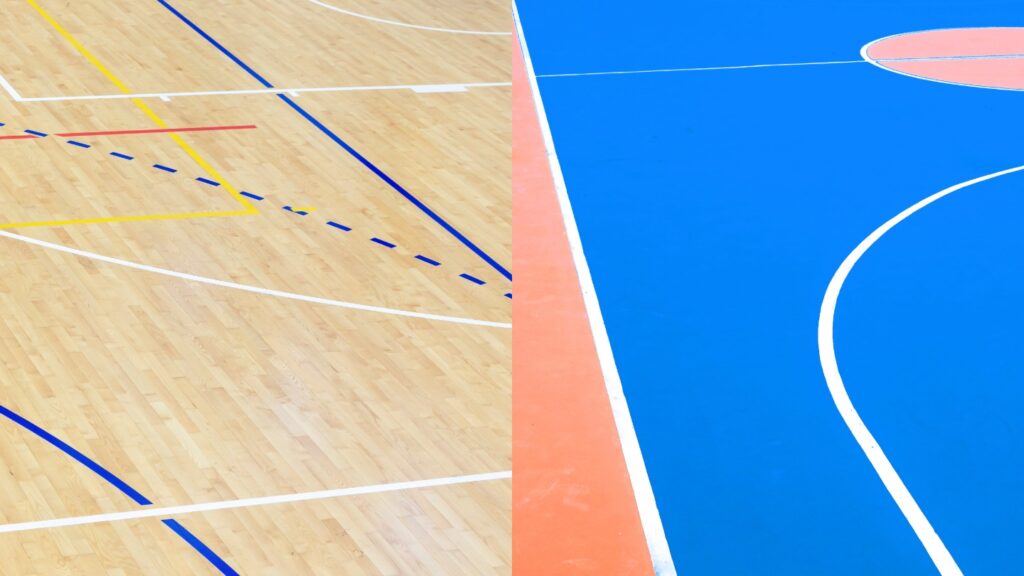
Right, let’s talk about keeping those school halls looking tip-top. Because let’s be honest, a grubby hall isn’t exactly inspiring, is it? Whether you’re leaning towards the classic Granwood or the shiny new polyurethane, how you look after it makes a massive difference. It’s not just about making things look nice; it’s about making them last and keeping everyone safe.
Daily Cleaning Routines
For both Granwood and polyurethane, a good daily sweep or a quick mop with a damp cloth is your best friend. This gets rid of the everyday dust, dirt, and whatever else the kids have tracked in. Think of it as a quick tidy-up before things get ground in.
- Sweep or vacuum: Get rid of loose debris.
- Damp mop: Use a well-wrung-out mop with just water or a very mild, pH-neutral cleaner.
- Avoid excess water: Seriously, don’t flood the floor. It’s bad for pretty much any flooring.
Deep Cleaning and Refinishing Options
Now, for the more serious stuff. Over time, even the best floors need a bit more attention. This is where things can get a bit different between our two contenders.
Granwood often benefits from a periodic deep clean, sometimes involving a specialist machine to really lift out ingrained dirt. Depending on the finish, it might need re-sealing or a light sanding and re-varnishing every few years to bring back its lustre and protection. It’s a bit like giving an old piece of furniture a new lease of life.
Polyurethane systems are generally a bit more straightforward. They might need a more intensive scrub with specific cleaning solutions designed for the system. Refinishing usually involves applying a new top coat, which can often be done without major disruption. It’s less about restoration and more about topping up the protective layer.
The Granwood vs Polyurethane Sports Floor Maintenance Effort
So, who wins on the maintenance front? It really depends on what you mean by ‘effort’.
- Granwood: Can require more specialised knowledge for deep cleaning and refinishing. It might need more frequent attention to keep its specific look and feel.
- Polyurethane: Generally simpler day-to-day. Deep cleaning is usually more about the right chemicals. Refinishing is often a straightforward recoat.
Ultimately, the goal is to keep the floor safe and looking good without breaking the bank or taking up too much time. A bit of regular care goes a long, long way for both types of flooring.
Safety First: Preventing Slips and Falls
Right, let’s talk about something super important for school halls: keeping everyone on their feet. Nobody wants a slip or a tumble, especially in a busy place where kids are running about. Both Granwood and modern polyurethane floors have their own ways of dealing with this, and it’s worth looking at how they stack up.
Surface Grip and Traction
Think about what happens when someone’s sprinting down the corridor or making a quick turn. You need a floor that offers decent grip. Granwood, with its slightly more textured surface, often provides a good level of natural traction. It’s not like trying to walk on ice, which is a definite plus. Polyurethane systems, on the other hand, can be engineered for specific grip levels. Manufacturers can add special aggregates or coatings to give them a really reliable surface, even when things get a bit hectic.
- Granwood: Generally good natural grip due to its composition.
- Polyurethane: Can be customised for enhanced traction.
How Each Flooring Type Handles Moisture
Spills happen, don’t they? Whether it’s a dropped drink or a bit of rain tracked in, how a floor deals with moisture is a big deal for safety. Granwood, being a bit more porous, can soak up small spills relatively quickly, which might reduce the immediate slipperiness. However, if a spill is left, it can still be a hazard. Polyurethane floors are typically non-porous and have a sealed surface. This means spills tend to sit on top, making them easier to wipe up before they become a major slip risk. A well-maintained sealed surface is usually your best bet against unexpected puddles.
Meeting Safety Standards
Schools have to meet certain safety regulations, and flooring plays a part in that. Both types of flooring can be installed to meet the required standards for slip resistance. It often comes down to the specific product chosen and how it’s installed and maintained. You’ll want to check the specifications for any flooring you’re considering to make sure it ticks all the boxes for your school’s needs. It’s not just about how it feels underfoot, but also about ticking those official safety boxes.
When choosing flooring for high-traffic areas like school halls, prioritising slip resistance is non-negotiable. It’s about creating a safe environment for everyone, from the youngest pupils to the staff. Both Granwood and polyurethane can offer good safety features, but the specifics of the product and its upkeep are key.
Aesthetics and Atmosphere: Setting the Scene
Visual Appeal of Granwood
Granwood flooring has this really classic, almost timeless look. It’s made from wood chips and resin, so it has a natural, earthy feel to it. Think of those old school halls that just feel… solid and established. It’s not flashy, but it has a certain warmth that can make a big, busy space feel a bit more grounded. It’s the kind of flooring that whispers history rather than shouting about it.
Modern Looks with Polyurethane
Now, polyurethane is a different beast. It’s a synthetic material, and it can be made to look pretty much anything you want. You can get it in a huge range of colours, finishes, and even patterns. This means you can really tailor the look of your school hall to match the school’s vibe or even specific areas. Want a bright, energetic space? Polyurethane can do that. Need something a bit more subdued? That’s achievable too. It’s all about what you’re going for.
Colour and Design Possibilities
This is where polyurethane really gets to show off. With Granwood, you’re pretty much stuck with its natural, speckled look. It’s nice, but it’s limited. Polyurethane, on the other hand, opens up a whole world of design.
- Solid Colours: From bold reds and blues to subtle greys and beiges.
- Speckled Finishes: Mimicking the look of Granwood or creating unique patterns.
- Custom Graphics: Think school logos, directional arrows, or even fun educational designs.
- Matte vs. Gloss: You can choose how shiny or subtle you want the finish to be.
It’s not just about making the hall look good; it’s about creating an atmosphere. A well-designed floor can guide people, make spaces feel more welcoming, or even just add a bit of fun to the daily school run. While Granwood offers a dependable, traditional aesthetic, polyurethane gives you the freedom to be creative and really make the space your own.
Cost Considerations: Budgeting for the Long Haul
Initial Installation Expenses
When you’re looking at new flooring for school halls, the upfront cost is usually the first thing that pops into your head. And fair enough, right? You’ve got budgets to stick to. Granwood, being a more traditional material, often involves a bit more labour during installation. Think of it like laying individual blocks or tiles – it takes time and skilled hands. Polyurethane systems, on the other hand, are often laid down as a liquid and then cured, which can sometimes speed things up. This difference in installation time and method can really affect the initial price tag.
Long-Term Value and Lifespan
But here’s where things get interesting. Just because one costs more to put down doesn’t mean it’s more expensive overall. We need to think about how long each floor is going to last and what it’ll cost to keep it looking good over the years. A floor that needs replacing every five years is going to cost you a lot more in the long run than one that can go for ten or even fifteen with the right care. It’s all about that long-term value.
The Granwood vs Polyurethane Sports Floor Price Tag Over Time
So, let’s break it down a bit. What are we actually looking at?
- Granwood: Generally, the initial outlay for Granwood can be higher due to the specialised installation. However, it’s known for its incredible durability and can often be repaired or refinished rather than replaced, potentially saving money down the line.
- Polyurethane: The initial cost can sometimes be lower, especially for simpler systems. Maintenance might involve specific cleaning products, and while it’s tough, major damage might mean a larger repair section or even a partial re-coat.
It’s not just about the price per square metre, though. You’ve got to factor in:
- Repair Costs: How easy and expensive is it to fix scratches, dents, or wear spots?
- Refinishing: Does it need a full sand and seal, or just a light buff?
- Lifespan: How many years can you realistically expect before a major overhaul or replacement is needed?
When you’re comparing costs, don’t just look at the sticker price on day one. Think about the whole journey. A slightly higher initial investment in a floor that lasts longer and is easier to maintain can actually be the smarter financial move for a busy school hall.
Ultimately, the ‘cheaper’ option isn’t always the one that saves you money. It’s about finding the best balance between upfront cost, ongoing maintenance, and how long the floor will actually serve the school well.
Thinking about the costs involved in setting up your sports hall flooring for the long run? It’s smart to plan ahead. We can help you figure out the best options that fit your budget and last for years. Visit our website to explore your choices and get a clear picture of the investment.
So, What’s the Verdict?
Right then, after all that chat about Granwood and modern polyurethane, what’s the best bet for those busy school hallways? Honestly, it’s not a simple ‘this one wins’ situation. Granwood’s got that classic charm and a solid feel, but keeping it looking tip-top in a place where hundreds of kids stomp about daily can be a bit of a chore. Polyurethane, on the other hand, is a bit of a workhorse – tough, easy to clean, and generally less fuss. If you’re after low maintenance and a floor that can take a serious beating without much complaint, the modern polyurethane finishes are probably your best bet. But if you’re leaning towards a more traditional look and don’t mind a bit more upkeep, Granwood could still be your guy. Think about what matters most for your school – budget, looks, or just getting through the week without worrying about the floor!
Frequently Asked Questions
So, what’s the big deal with Granwood flooring anyway?
Think of Granwood as a really tough, old-school flooring. It’s made from wood chips mixed with a special binder, pressed together really tight. It’s been around for ages and is known for being super strong, especially in busy places like school halls where loads of feet pound the floor every single day.
And this polyurethane stuff? How is it different?
Polyurethane flooring is more like a modern, high-tech coating. It’s a liquid that gets spread over a base floor and then hardens into a super smooth, seamless surface. It’s often used for sports courts because it can be made really grippy and bouncy, but it’s also showing up in schools for its toughness and how easy it is to keep clean.
Which one can handle being stomped on all the time?
Both are built to last, but they do it differently. Granwood is naturally very dense and hard, so it shrugs off constant foot traffic. Polyurethane, on the other hand, is a protective layer that’s designed to resist abrasion and wear. In super high-traffic areas, you might find polyurethane needs a bit more attention over time to keep its top layer in tip-top shape, but it’s still a champion for durability.
What about spills and dropped stuff? Will they wreck the floor?
Granwood is pretty forgiving with impacts because it’s so solid. Polyurethane can also be quite tough, but if something really heavy is dropped, it might chip or scratch the surface, though it’s usually repairable. For spills, both are generally good, but a quick wipe-up is always best to avoid stains, especially on lighter colours.
Is one easier to keep looking nice day-to-day?
Generally, polyurethane floors tend to be a bit easier for daily cleaning. Because they’re often seamless and have a smooth finish, dirt and grime don’t have many places to hide. You can usually just sweep and mop them. Granwood might need a bit more effort to get into all the nooks and crannies, and sometimes requires specific cleaning products.
If I’m on a tight budget, which one should I go for?
This is a tricky one! Granwood can sometimes have a higher upfront cost for installation. However, it’s known for lasting a really, really long time with proper care, so its long-term cost might be lower. Polyurethane can be less expensive to install initially, but you might need to factor in potential refinishing or repairs down the line. It really depends on how long you want the floor to last and what kind of maintenance you’re prepared for.
![Building Regulations Part M: Ensuring Inclusive Access and Safety for UK Leisure Centre Flooring [2026]](https://courtshipflooring.co.uk/wp-content/uploads/2026/07/journalist2F1d57470c-6abc-4bc8-b346-513598794c392Fthumbnail.jpeg)