Ever noticed that weird sticky feeling on your sports hall floor? You know, the one that makes you wonder if you’ve stepped in something. It’s not just you; it’s a common issue that can really mess with games. We’re going to look at why this happens and what’s really going on under your feet. It turns out, it’s often down to how the floor is cleaned, or rather, how it’s *not* cleaned properly. Let’s get to the bottom of these sticky sports hall floor causes.
Key Takeaways
- That ‘sticky’ feeling on a sports hall floor is usually leftover cleaning product.
- Using the wrong cleaners or too much soap can leave a residue.
- Not rinsing the floor properly after cleaning is a big reason for stickiness.
- A sticky floor makes it harder for athletes to move and can increase the chance of slips.
- Regular, correct cleaning and rinsing are key to keeping the floor safe and playable.
The Mystery Of The Sticky Sports Hall Floor
Ever notice that weird, slightly tacky feeling under your trainers when you’re running around the sports hall? It’s not just you. That ‘sticky’ sensation is a common, and often overlooked, issue that can really throw a spanner in the works for athletes and anyone using the space. It’s like trying to run on a slightly damp patch of pavement – just not right.
What Exactly Is That ‘Sticky’ Feeling?
So, what’s going on? That tackiness isn’t usually the floor itself being inherently sticky. More often than not, it’s the result of cleaning products and water not being properly removed after a clean. Think of it like leaving soap scum in your shower – it just builds up. Over time, these residues form a thin, invisible film on the surface. This film traps dirt and dust, and when you step on it, your shoes grip it in a way that feels… well, sticky. It’s a build-up, plain and simple.
Why It Matters For Athletes And Performance
This might sound like a minor annoyance, but it actually has a pretty big impact. For sports where quick changes in direction are key, like basketball or netball, that unexpected stickiness can mess with your agility. Instead of a clean pivot, you might find your foot dragging a bit, which can feel awkward and even lead to a stumble. It’s all about that traction – too much or too little, and things go wrong. It can affect how fast you can move, how reliably you can stop, and generally just make you feel a bit unsure on your feet. And when you’re trying to perform at your best, feeling confident in your footing is a massive part of it.
Common Culprits Behind A Slippy Surface
So, you’ve noticed your sports hall floor has gone a bit… tacky? It’s a common issue, and it usually boils down to how it’s being cleaned. It’s not magic; it’s chemistry (or a lack thereof!). Let’s break down the usual suspects.
The Wrong Cleaning Products
This is a big one. Not all cleaning solutions are created equal, especially when it comes to sports floors. Some products are just too harsh, or they contain ingredients that don’t play nicely with the floor’s finish. Think of it like using washing-up liquid on your best wool jumper – it might get it clean, but it’ll probably ruin it in the process. Sports floors often have specific sealants or finishes that need gentle, pH-neutral cleaners. Using something designed for, say, a greasy kitchen floor or a bathroom tile can leave behind a residue that makes the surface sticky. It’s all about using the right tool for the job, and that definitely applies to floor cleaners.
Over-Application Of Solutions
Sometimes, the problem isn’t what you’re using, but how much. It’s tempting to think that more cleaner means a cleaner floor, right? Well, not quite. If you slosh on too much cleaning solution, it can overwhelm the floor. This is especially true if the cleaner isn’t designed to evaporate quickly. The excess liquid just sits there, and when it starts to dry, it leaves behind those sticky bits. It’s like trying to wash a small dish with a whole bucket of soap – you’ll spend ages trying to get it all off.
Insufficient Rinsing Techniques
This is probably the most frequent offender. After you’ve applied your cleaning solution, you must rinse the floor properly. If you don’t remove all the cleaning agent, what’s left behind is that sticky residue we’re talking about. It’s like leaving soap scum on your shower tiles; it feels gross and looks bad. For sports floors, this is a performance killer. A proper rinse means using clean water, and often, multiple passes with clean mop heads or a scrubber dryer with a good extraction system. Skipping this step is a sure-fire way to end up with a floor that feels like flypaper.
If your floor already feels tacky, our sports hall floor maintenance visits begin with a residue-stripping deep clean and a review of the products your team uses.
Here’s a quick rundown of what to avoid:
- Using household cleaners not approved for sports floors.
- Pouring undiluted or overly concentrated cleaning solutions.
- Wiping down with a dirty mop or not rinsing thoroughly.
- Using too much water that doesn’t get picked up properly.
The goal is a clean, residue-free surface that allows athletes to perform at their best. Anything less means you’re setting them up for a fall, quite literally.
How Cleaning Residue Affects Play
Right, so you’ve got this sticky floor. It might not seem like a massive deal at first glance, maybe just a bit annoying. But honestly, it can really mess with how a game is played. It’s not just about feeling a bit weird underfoot; it actually changes things on the court.
Reduced Traction And Increased Risk
This is probably the most obvious one. When a floor is sticky, your trainers just don’t grip the way they should. Think about it – you’re trying to make a quick turn, maybe pivot to pass the ball, and your feet just don’t slide or stop quite right. This lack of proper traction is a big problem. It means players can’t move as sharply or as confidently. And when you can’t move properly, you’re more likely to slip or stumble. This isn’t just about looking a bit clumsy; it genuinely increases the risk of injuries like sprains and strains. Nobody wants that, especially not during a crucial match.
Impact On Ball Bounce And Movement
It’s not just the players that are affected. The ball’s behaviour can change too. A sticky surface can alter how the ball bounces. It might not rebound as cleanly or predictably, which can throw off players trying to anticipate its movement. Imagine a basketball player expecting a certain bounce off a dribble, only for the ball to be slightly deadened or veering off course because of the residue. This can make passing, shooting, and general ball control a lot trickier than it needs to be. It adds an unpredictable element that shouldn’t be there.
Player Comfort And Confidence
Beyond the physical stuff, there’s the mental side. If players are constantly worried about slipping or their feet sticking unexpectedly, it really knocks their confidence. They might hesitate to make those fast breaks or aggressive plays they normally would. It’s hard to perform at your best when you’re not feeling secure on the ground. That feeling of uncertainty can really hold a team back, making them play more cautiously and less effectively. It’s a subtle thing, but it makes a difference.
When cleaning solutions aren’t properly rinsed away, they leave behind a film. This film is what causes that ‘sticky’ sensation, and it directly interferes with the natural friction needed for safe and effective athletic movement. It’s like trying to run on a slightly wet, soapy surface – not ideal.
Here’s a quick rundown of what happens:
- Less Grip: Your shoes can’t bite into the floor properly.
- Slipping Hazards: Increased chance of falls and twists.
- Unpredictable Ball: Bounces and rolls aren’t as expected.
- Hesitation: Players become less confident in their movements.
- Performance Drop: Overall game quality suffers.
Identifying The Sticky Sports Hall Floor Causes
So, your sports hall floor feels a bit… off? Like walking on flypaper after a light rain? It’s a common grumble, and figuring out why it’s happening is the first step to fixing it. Let’s break down how you can spot the signs and pinpoint the problem.
Visual Clues And Surface Tests
Sometimes, the evidence is right there in front of you. Look closely at the floor. Do you see any dull patches, especially in high-traffic areas? This could be a sign of built-up residue. Another tell-tale sign is if the floor looks shinier than usual after cleaning, but not in a good, polished way – more like a greasy sheen.
To get a better idea, try a simple test. Grab a clean, white cloth and dampen it slightly with plain water. Wipe a small, inconspicuous section of the floor. If the cloth picks up a cloudy or coloured film, that’s a pretty strong indicator that cleaning product is still hanging around. If you’re feeling brave, you could even try a very small, controlled spill of water. If it beads up or doesn’t spread evenly, that’s another clue.
Understanding Your Cleaning Routine
This is where you need to be honest with yourself (or the cleaning team!). Think about what’s actually being done.
- What products are being used? Are they specifically designed for sports hall floors, or are they general-purpose cleaners that might leave a film?
- How much product is going down? Are the cleaning staff measuring concentrates accurately, or is it a bit of a ‘splash and dash’ approach?
- How much rinsing is happening? Is it a quick pass with a mop, or are they using clean water and multiple rinses until the water stays clear?
The most common reason for that sticky feeling is simply leftover cleaning solution. It’s easy to get wrong, especially when you’re trying to get the job done quickly.
Sometimes, the simplest explanation is the right one. We often overcomplicate things, but in this case, the sticky floor is likely a direct result of the cleaning process itself not being quite right. It’s not magic, it’s just chemistry and a bit of elbow grease (or lack thereof).
When To Call In The Professionals
If you’ve done the visual checks and reviewed your cleaning routine, but you’re still scratching your head, it might be time to bring in the experts. A professional floor care company will have the tools and knowledge to properly assess the situation. They can perform more in-depth tests to identify the exact type of residue and recommend the best course of action. Don’t hesitate to call them if you’re unsure – it’s better than letting a sticky floor cause bigger problems down the line.
Preventing That Unwanted Stickiness
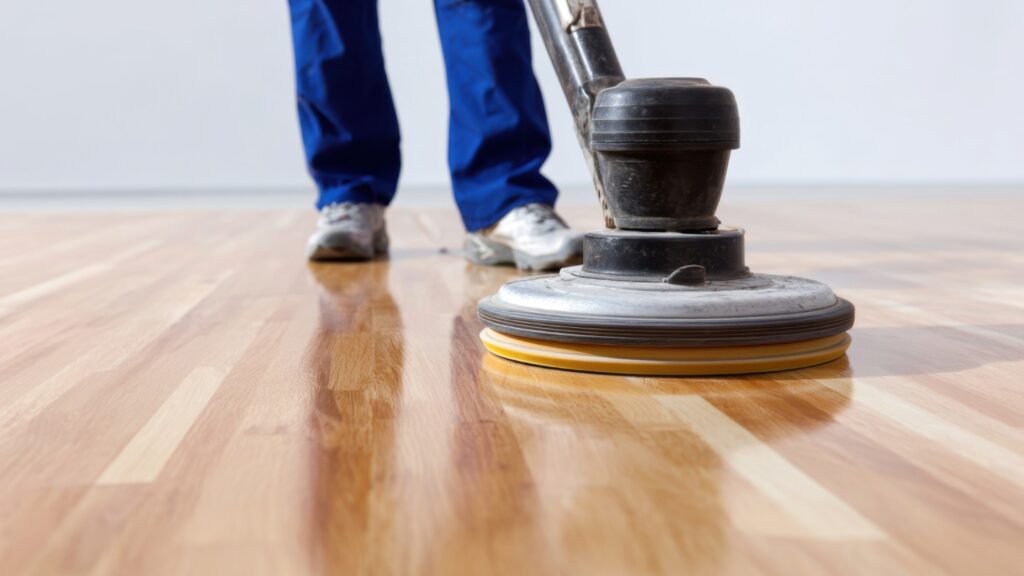
Right, so we’ve all been there – that slightly tacky feeling underfoot when you’re trying to make a sharp turn or a quick sprint. It’s not just annoying; it can actually mess with your game. The good news is, it’s usually pretty preventable. It all comes down to a few key things in how you clean the floor.
Choosing the Right Cleaning Agents
This is where a lot of people go wrong. You might think a stronger cleaner is always better, but for sports floors, that’s often not the case. Harsh chemicals can leave behind residues that build up over time, creating that sticky situation. You want something specifically designed for sports hall floors. These are usually pH-neutral and formulated to break down dirt and grime without leaving a film. Think of it like using the right tool for the job – you wouldn’t use a hammer to screw in a screw, right? The same applies here. Always check the product label to make sure it’s suitable for your specific floor type. Some wood finishes, for instance, are quite sensitive.
Mastering Dilution and Application
Even with the right cleaner, using too much or not diluting it properly can cause problems. It’s a bit like making a cup of tea – too much tea bag and it’s bitter, too little and it’s weak. For floor cleaning, using a concentrated solution means you’re essentially washing the floor with sticky goo. The golden rule is to follow the manufacturer’s instructions for dilution ratios to the letter. Most cleaning product manufacturers will give you a clear guide, often in millilitres per litre of water. Using a measuring jug or a pre-set dilution system is your best friend here. And when you’re applying it, a damp mop is usually better than a soaking wet one. You don’t want to flood the floor; you just want to wipe it clean.
The Importance of Thorough Rinsing
This is probably the most overlooked step, but it’s super important. After you’ve mopped with your cleaning solution, you need to rinse the floor. This means going over it again with clean water, ideally using a separate mop or a different bucket. The goal here is to pick up any leftover cleaning solution and any loosened dirt. If you skip this, that cleaner just sits there, drying into a sticky film. It’s like rinsing the washing-up bowl after you’ve washed the dishes – you wouldn’t leave soap scum on your plates, would you? A good rinse makes all the difference. You might even consider a double rinse for really heavy-duty cleaning days.
Skipping the rinse is like leaving the washing-up liquid on the floor. It’s the residue from that cleaner that causes the stickiness, making the surface less predictable and potentially unsafe for quick movements.
Long-Term Floor Health And Maintenance
Regular Deep Cleaning Schedules
So, we’ve talked about how sticky floors happen and how to avoid it day-to-day. But what about keeping things tip-top over the long haul? It’s not just about a quick wipe-down. Think of it like looking after your car – you need regular services, not just to fix problems, but to stop them from happening in the first place. For your sports hall floor, this means setting up a proper deep cleaning schedule. This isn’t something you do every week, but maybe every few months, depending on how much the floor is used. It’s about getting rid of all that built-up grime and residue that regular cleaning might miss. A good deep clean can really bring the floor back to life, making it safer and look better too.
Protecting Your Investment
Let’s be honest, sports hall floors aren’t cheap. They’re a big investment, and you want them to last. Proper maintenance, including those deep cleans, is key to protecting that investment. A well-maintained floor not only looks good but also performs better and lasts much longer. It means you won’t be facing costly repairs or replacements down the line. It’s about being proactive rather than reactive. Think about it: a little bit of effort now can save you a lot of hassle and money later on. Plus, a floor that’s looked after properly is a much nicer place for everyone to play on.
Maintaining Optimal Playing Conditions
Ultimately, all this comes down to making sure the floor is always ready for action. Athletes need a surface they can trust, one that gives them the grip they need without being sticky or slippery. Regular maintenance helps achieve that consistent playing condition. It means the ball bounces predictably, players can move with confidence, and the risk of injuries is minimised. It’s about creating an environment where performance can shine, free from the distractions and dangers of a poorly maintained surface. A clean, well-kept floor is a happy floor, and happy players make for a great game.
Here’s a quick rundown of what a good maintenance plan might look like:
- Daily/Weekly: Basic sweeping and spot cleaning to remove surface dirt and spills.
- Monthly: A more thorough damp mopping with the correct, diluted cleaning solution, followed by a good rinse.
- Quarterly/Bi-Annually: A professional deep clean. This might involve using specialised equipment to scrub and extract any stubborn residue.
- Annually: A full inspection to check for any wear and tear, and to plan for any minor repairs needed.
Keeping your sports hall floor in good nick isn’t just about appearances; it’s about safety, performance, and making sure your facility is a place people want to use. A bit of consistent effort goes a long way in preserving the life and quality of the floor.
Keeping your sports floor in top shape is super important for games and practices. Regular care stops it from getting worn out too quickly and keeps it looking great. Want to know the best ways to look after your floor? Visit our website for all the tips and tricks you need to make sure your sports surface lasts for ages.
So, What’s the Takeaway?
Right then, if your sports hall floor feels a bit like walking on flypaper, it’s probably not magic. More likely, it’s down to how it’s been cleaned. Using the wrong stuff, or not rinsing properly, leaves behind a sticky residue that just builds up. It’s a bit of a pain, really, and can make the place feel less than ideal for games or just general use. The simple fix? Stick to the right cleaning products and make sure you give the floor a good rinse afterwards. It’s not rocket science, but it makes a massive difference to how the place looks and feels. Keep it clean, keep it simple, and everyone benefits.
Frequently Asked Questions
Why does my sports hall floor feel a bit tacky after cleaning?
That sticky feeling usually happens when the cleaning stuff left behind doesn’t get washed away properly. Think of it like leaving soap scum on your shower walls – it just makes things feel yucky and can make the floor less grippy.
Can a sticky floor actually be dangerous?
Absolutely! If the floor feels sticky, it means players might not be able to get a good grip. This could lead to them slipping and falling, which is never good and can cause injuries. It’s all about having the right amount of friction for safe movement.
What kind of cleaning products cause this problem?
It’s often the wrong type of cleaner, or using way too much of a good one. Some cleaners are just too strong or leave a film if they’re not meant for sports floors. Using something like dish soap or household cleaners can also be a big no-no because they aren’t designed for that kind of surface.
How can I tell if my floor has cleaning residue on it?
A good sign is that sticky feeling, of course! You might also notice the floor looks a bit dull or cloudy, especially in certain areas. Sometimes, if you rub your shoe on it, you can feel a slight drag that shouldn’t be there. A quick test is to damp a clean cloth and wipe a small area – if it comes up dirty or streaky, you’ve likely got residue.
What’s the best way to clean a sports hall floor without making it sticky?
The key is to use cleaners made specifically for sports floors and to follow the instructions carefully. Always dilute the cleaner properly – don’t just pour it on! And the most important part? Rinse, rinse, and rinse again! Make sure all the soap is gone before letting the floor dry.
How often should a sports hall floor be cleaned properly?
It really depends on how much it’s used, but generally, a good clean and rinse should happen regularly. Think daily or weekly for light cleaning and mopping, but a deeper clean to get rid of any build-up might be needed every month or so. Keeping up with it stops that sticky residue from becoming a big problem.
![Building Regulations Part M: Ensuring Inclusive Access and Safety for UK Leisure Centre Flooring [2026]](https://courtshipflooring.co.uk/wp-content/uploads/2026/07/journalist2F1d57470c-6abc-4bc8-b346-513598794c392Fthumbnail.jpeg)