So, you’ve got a sports floor that’s looking a bit tired. Maybe it’s lost its shine, or perhaps there are a few scuffs here and there. You’re probably wondering what’s the best way to sort it out without breaking the bank or causing a huge fuss. Should you go for a quick spruce-up, a deep clean, or is it time for a full overhaul? We’re going to chat about the difference between a sports floor screen and recoat, a deep clean, and a full sand and seal. It’s not as complicated as it sounds, and knowing the options will help you make the right choice for your court.
Key Takeaways
- A sports floor screen and recoat is a good option when the existing finish is still mostly intact but just needs a refresh. It involves lightly abrading the surface and adding a new top layer of finish.
- This process is quicker and less disruptive than a full sand and seal, making it a more budget-friendly choice for many situations.
- A deep clean might be enough for minor scuffs and dirt, but it won’t fix worn-out finish or deeper damage to the wood itself.
- A full sand and seal is needed when the floor has significant damage, deep scratches, or the finish has worn away in large patches. It’s a more involved process that strips the floor back to bare wood.
- Choosing the right method depends on the floor’s condition, your budget, and how much downtime you can tolerate. Regular maintenance is key to extending the life of any sports floor finish.
Understanding Your Sports Floor’s Needs
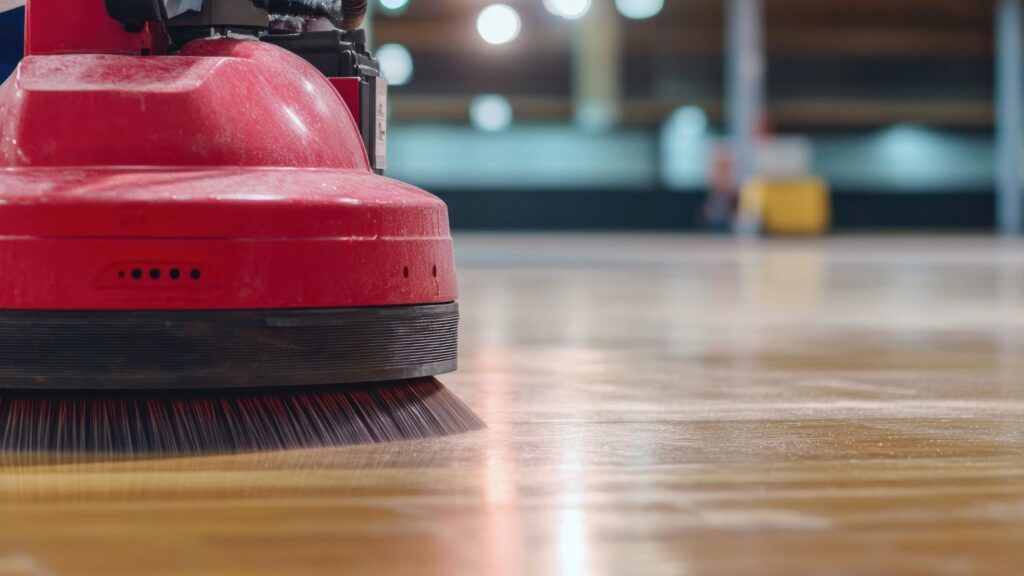
Not sure which your floor needs? Our sports hall floor maintenance service starts with a survey that tells you whether a screen and recoat will do or a full sand is due.
Right then, let’s get down to brass tacks. Before we even think about screens, recoats, or full-on sanding, we need to figure out what your sports floor is actually telling you. It’s not just about looking pretty; it’s about performance and safety, too. Ignoring the signs can lead to bigger headaches (and bigger bills) down the line. So, what’s the deal?
Signs Your Floor Needs Attention
Sometimes, it’s obvious. Other times, you might need to look a bit closer. Here are some common giveaways that your floor is crying out for some TLC:
- Scuff Marks and Scratches: These are the most common. Think of them like little battle scars from all the action. A few are normal, but a whole lot? That’s a sign the top layer is wearing thin.
- Dull Patches: You know those areas where everyone congregates or where the ball bounces most? If they’ve lost their shine and look faded compared to the rest of the floor, it means the finish is wearing off.
- Slippery Spots: This is a big one for safety. If the floor suddenly feels a bit too slick, especially in certain areas, the grip is gone. This could be due to worn-out finish or even residue build-up.
- Visible Wear on Lines: Court lines are painted on, and if you can see the wood grain showing through them, or if they’re chipped and faded, it’s a clear indicator of heavy use and wear.
- Water Stains or Discolouration: Spills happen, but if you’re seeing persistent dark spots or general discolouration that cleaning doesn’t fix, it might mean the finish isn’t protecting the wood like it should.
The Lifespan Of A Sports Floor Finish
Think of the finish on your sports floor like the paint on a car. It protects the surface underneath and keeps it looking good. But just like car paint, it doesn’t last forever. The lifespan really depends on a few things:
- How much is it used? A school gym that hosts daily classes, sports events, and maybe even community gatherings will wear down faster than a floor in a private club with limited hours.
- What kind of activities happen on it? High-impact sports with lots of quick stops and starts will put more stress on the finish than, say, a yoga class.
- How well is it maintained? Regular cleaning and prompt attention to spills make a huge difference.
Generally speaking, a good quality sports floor finish can last anywhere from 2 to 10 years before it needs a more serious refresh. A screen and recoat is usually needed somewhere in the middle of that range, maybe after 3-7 years, depending on the factors above. A full sand and seal is typically for when the finish has completely worn away or if there are deeper issues with the wood itself, which might be every 10-20 years, or even longer if it’s exceptionally well cared for.
It’s easy to think of a sports floor as just a big wooden surface, but it’s actually a carefully finished system designed to withstand a lot of punishment. The finish is the first line of defence against everything from scuffs and spills to UV damage and general wear. When that defence starts to crumble, the wood underneath is exposed, leading to quicker deterioration and potential problems.
What Exactly Is A Sports Floor Screen And Recoat?
So, you’ve noticed your sports floor is looking a bit tired. Maybe it’s lost its shine, or there are a few scuffs here and there. Before you start thinking about a full-blown renovation, let’s chat about a ‘screen and recoat’. It’s a bit like giving your floor a really good refresh, without going the whole hog.
The ‘Screening’ Process Explained
Think of screening as a light sanding, but not quite. Instead of using sandpaper that digs deep into the wood, a screen and recoat uses a special abrasive screen. This screen is designed to scuff up the very top layer of the existing finish. It’s not about removing the old finish entirely, just creating a slightly rough surface. Why do we do this? It gives the new top coat something to grip onto, making sure it bonds properly. This is the key step that allows the new finish to stick like glue.
Applying The New Top Coat
Once the screening is done and the dust is cleared away (and believe me, there’s always dust!), it’s time for the new finish. We apply a fresh layer, or sometimes two, of your chosen sports floor coating. This new coat goes right over the scuffed surface. It’s like putting a brand-new, shiny jacket on your floor. It covers up those minor scratches and dull spots, bringing back that vibrant look.
Benefits Of A Screen And Recoat
Why choose this method? Well, it’s pretty straightforward:
- Quicker: It takes a lot less time than a full sand and seal.
- Cheaper: Generally, it’s a more budget-friendly option.
- Less Disruptive: You’ll be back to using your floor sooner.
- Restores Appearance: It makes a big difference to how the floor looks.
- Protects The Wood: It adds another layer of defence against wear and tear.
It’s important to remember that a screen and recoat works best when the existing finish is still in pretty good shape underneath. If the wood itself is damaged or the old finish is peeling badly, this method might not be enough.
When A Deep Clean Just Won’t Cut It
Right, so you’ve given your sports floor a good scrub, maybe even a proper mop down. You’re thinking, ‘That’s sorted!’ But sometimes, a bit of elbow grease just isn’t enough to sort out what’s really going on with your floor. It’s like trying to fix a leaky tap with a bit of tape – it might hold for a bit, but the real problem is still there.
Limitations Of Basic Cleaning
Look, a deep clean is great for day-to-day grime, scuff marks, and general dust. It makes the floor look and feel fresher, which is always a win. But it doesn’t actually change the surface of the wood or the finish itself. Think of it as washing your car – it looks better, but the paintwork isn’t getting any new protective layers. If the finish is already worn thin, scratched up, or has lost its sheen, cleaning it won’t bring that protection back. It’s just cleaning the existing, damaged layer.
When Deeper Issues Are Present
So, when does cleaning just not cut it? Well, if you’re seeing:
- Visible scratches and gouges: These aren’t just surface-level marks. They’ve gone through the top coat and into the wood itself.
- Dull, patchy areas: Where the finish has worn away completely, leaving the wood exposed and looking sad.
- Discolouration or dark spots: This can happen from spills that have soaked in, or from wear and tear over time. Cleaning won’t lift these stains out.
- A slippery surface: If the floor has lost its grip, it’s usually because the protective coating is gone or damaged, not just dirty.
If any of these sound familiar, a simple clean is probably not going to solve your problems. You need something that actually addresses the worn-out finish.
Sometimes, you might notice that even after a thorough clean, certain areas still look a bit ‘off’. This is often a sign that the protective coating, the finish, has been compromised. It’s not just dirt; it’s the actual surface that’s seen better days. Trying to clean away wear and tear is a bit like trying to polish a tarnished silver spoon without actually removing the tarnish – you’re just moving the dirt around on top of the problem.
Basically, if the finish itself is the issue, cleaning it won’t fix it. You need to address the finish directly, and that’s where a screen and recoat or a full sand and seal comes in.
The Full Sand And Seal: A More Intensive Approach
What Happens During A Full Sand And Seal
So, when a simple screen and recoat just isn’t going to cut it, we’re talking about the big guns: a full sand and seal. This is where things get serious, and it’s a much more involved process than just slapping on a new coat of finish. Think of it like giving your floor a complete makeover, not just a quick tidy-up. We’re talking about stripping everything back to the bare wood.
Here’s a rough idea of what goes down:
- The Big Strip: We use heavy-duty sanding machines. These aren’t your DIY floor sanders; these are industrial beasts that grind away the old finish, any stains, and even minor scratches or dents. It’s a dusty job, but it’s necessary to get back to a clean slate.
- Leveling Up: After the initial sanding, we might do a finer grit sanding to make sure the surface is perfectly smooth and even. This is where you get that lovely, flat surface ready for new life.
- Cleaning Up: All the dust has to go. We vacuum, sweep, and often use tack cloths to get every last bit of grit off. You don’t want any of that getting trapped in the new finish.
- The New Finish: Now, we apply multiple coats of a new sports floor finish. This isn’t just one layer; it’s a system designed to protect the wood and give it that perfect sheen and grip for sports.
This process is essentially a complete restoration of your floor’s surface.
When Is A Full Refurbishment Necessary?
Sometimes, a screen and recoat just won’t do the trick. If your floor is showing some serious wear and tear, it might be time for the full sand and seal. What kind of issues are we talking about?
- Deep Scratches and Gouges: If you’ve got marks that go beyond the top layer of finish and into the wood itself, sanding is the only way to remove them.
- Worn-Through Areas: If the finish is completely gone in high-traffic spots, revealing the bare wood underneath, a simple recoat won’t fix the underlying damage.
- Uneven or Cupped Wood: If the wood planks themselves have started to warp or cup due to moisture issues, sanding can help to level them out, though severe issues might need more.
- Old, Failing Finishes: Sometimes, finishes just don’t adhere well anymore, or they’ve become brittle and are flaking. Trying to recoat over a failing finish is like painting over rust – it won’t last.
You might think a full sand and seal is a big job, and it is. But if your floor has seen better days and is showing significant damage, it’s often the most cost-effective way to get it back to looking and performing its best. Trying to patch up a floor that needs a full refurbishment can end up costing you more in the long run with repeated, ineffective repairs.
Making The Right Choice For Your Sports Floor
Assessing The Damage Level
So, you’ve got a sports floor that’s seen better days. The big question is, what’s actually wrong with it? Is it just looking a bit dull, or are there deeper problems? A quick look can tell you a lot. If you’re seeing minor scuffs, dull patches, or just a general lack of shine, a screen and recoat is probably your best bet. It’s like giving your floor a good polish. But if you’ve got deep scratches, gouges, significant wear right down to the wood, or areas where the finish is completely gone, you might need to think bigger.
Think of it like this:
- Minor Wear: Dullness, light scuffs, faded court lines.
- Moderate Damage: Deeper scratches, some finish peeling, noticeable wear in high-traffic zones.
- Severe Damage: Deep gouges, splintering wood, finish completely worn away in patches, uneven surfaces.
Considering Your Budget And Timeline
Let’s be honest, cost is always a factor, right? A screen and recoat is significantly cheaper and quicker than a full sand and seal. We’re talking days versus weeks, and a fraction of the price. If you’ve got a tight budget or need the floor back in action fast for a big game or event, a screen and recoat is the clear winner. A full sand and seal is a bigger investment, both in terms of money and downtime. You’ve got to weigh up what you can afford and how long you can afford to have the floor out of commission.
The Long-Term Value Of A Sports Floor Screen And Recoat
While a full sand and seal gives you a completely fresh start, a screen and recoat is all about maintenance and preservation. It’s a way to keep your floor looking good and protected for longer without the huge expense of a full refurbishment. Regular screen and recoats can actually extend the life of your sports floor significantly, saving you money in the long run by preventing the need for more drastic measures down the line. It’s a smart way to manage the upkeep of your facility. It’s not just about making it look nice now; it’s about protecting your investment for years to come.
Maintaining Your Refreshed Sports Floor
So, you’ve gone and got your sports floor looking spick and span again, whether it was a quick screen and recoat or a full-on sand and seal. Brilliant! But here’s the thing: it won’t stay looking that good if you just forget about it. Think of it like getting a new haircut; you wouldn’t just let it grow wild straight away, would you? Same idea applies here. A bit of regular care goes a really long way.
Daily Care and Cleaning Tips
Keeping on top of the day-to-day stuff is honestly the most important part. It stops little bits of grit and grime from turning into proper scratches.
- Sweep or dust mop regularly: Get rid of loose dirt, dust, and debris. This is your first line of defence. A good quality microfibre mop works wonders.
- Wipe up spills immediately: Don’t let drinks, sweat, or anything else sit on the surface. A quick wipe with a clean, damp cloth is usually all it takes.
- Use walk-off mats: Place mats at all entrances to catch dirt and moisture before it gets tracked onto the floor. Keep them clean too!
Preventing Future Wear and Tear
Beyond the daily wipe-down, there are a few other things you can do to keep your floor looking its best for as long as possible. It’s all about being a bit proactive.
- Footwear policy: This is a big one. Strictly enforce a ‘no street shoes’ rule. Sports shoes only, and ideally, ones that are clean and have non-marking soles. This stops stones, mud, and all sorts of nasties from getting on the court.
- Furniture pads: If you’re moving any furniture or equipment around, make sure the legs have felt or rubber protectors. Even a small desk can leave a nasty scuff mark if it’s dragged.
- Regular inspections: Just give the floor a quick look over every now and then. See if there are any loose bits, any areas that look a bit dull, or any potential problems starting. Catching things early saves a lot of hassle later.
Honestly, the biggest mistake people make is thinking that once the floor is refurbished, the job is done. It’s really just the beginning of a new chapter for its upkeep. A little bit of consistent effort now means you won’t be looking at another big refurbishment job for a good long while. It’s about respecting the investment you’ve made.
Think about it this way: a screen and recoat is like giving your floor a fresh coat of paint. It looks great, but if you don’t clean up spills or stop people from walking mud all over it, that new paint job won’t last. Regular cleaning and smart habits are the key to making that refreshed finish really stick around. It’s not rocket science, just good old-fashioned common sense really.
Keeping your sports floor in top shape is key to making sure it lasts and plays well. Regular care helps prevent damage and keeps it looking great for all your games and events. For the best advice on how to look after your refreshed sports floor, visit our website today!
So, What’s the Verdict?
Right then, we’ve had a good look at the options. If your floors are looking a bit tired but haven’t taken a proper battering, a screen and recoat might just be the ticket. It’s quicker, cheaper, and less disruptive than a full sand and seal. Think of it as a really good spruce-up. But if the damage is more serious – deep scratches, worn patches, or water stains – you’ll probably need to go the whole hog with a sand and seal. It’s more work, sure, but it’ll give you that proper fresh start. Ultimately, it’s about knowing your floors and what they need. Don’t be afraid to ask a pro if you’re unsure; they’ll steer you right.
Frequently Asked Questions
How do I know if my sports floor needs more than just a quick clean?
If you’re noticing scratches that go deep, the finish looks dull and worn out in patches, or the lines on the court are starting to fade away, it’s probably time for more than just a mop and bucket. These are signs that the protective layer on your floor is struggling.
What’s the difference between a ‘screen and recoat’ and a full ‘sand and seal’?
Think of a screen and recoat like giving your floor a fresh coat of nail polish – it buffs up the old layer and adds a new one on top. A full sand and seal is more like starting from scratch; it involves sanding off *all* the old finish down to the bare wood and then applying new layers from the start. It’s a much bigger job!
Is a screen and recoat a big job?
It’s definitely less work than a full sand and seal. The ‘screening’ part just lightly scuffs up the existing finish, and then they add a new top layer. It’s quicker, less messy, and usually doesn’t require the space to be completely shut down for ages.
When would I definitely need a full sand and seal?
If your floor has deep gouges, significant water damage, or the finish is peeling off in big chunks, a simple recoat won’t fix it. You need to get back to the bare wood to sort out those serious problems before you can put a new finish on.
How often should I get my sports floor looked at or redone?
It really depends on how much it’s used! A busy school gym might need a screen and recoat every couple of years, while a less-used community hall might get away with it for longer. Regular check-ups are key to catching small issues before they become big ones.
What’s the best way to look after my floor after it’s been redone?
Keep it clean! Sweep or dust mop regularly to get rid of grit that can scratch the surface. Use the right cleaning products – no harsh chemicals. And try to prevent things like high heels or furniture with sharp legs from being dragged across it. Little bits of care go a long way.
![Building Regulations Part M: Ensuring Inclusive Access and Safety for UK Leisure Centre Flooring [2026]](https://courtshipflooring.co.uk/wp-content/uploads/2026/07/journalist2F1d57470c-6abc-4bc8-b346-513598794c392Fthumbnail.jpeg)