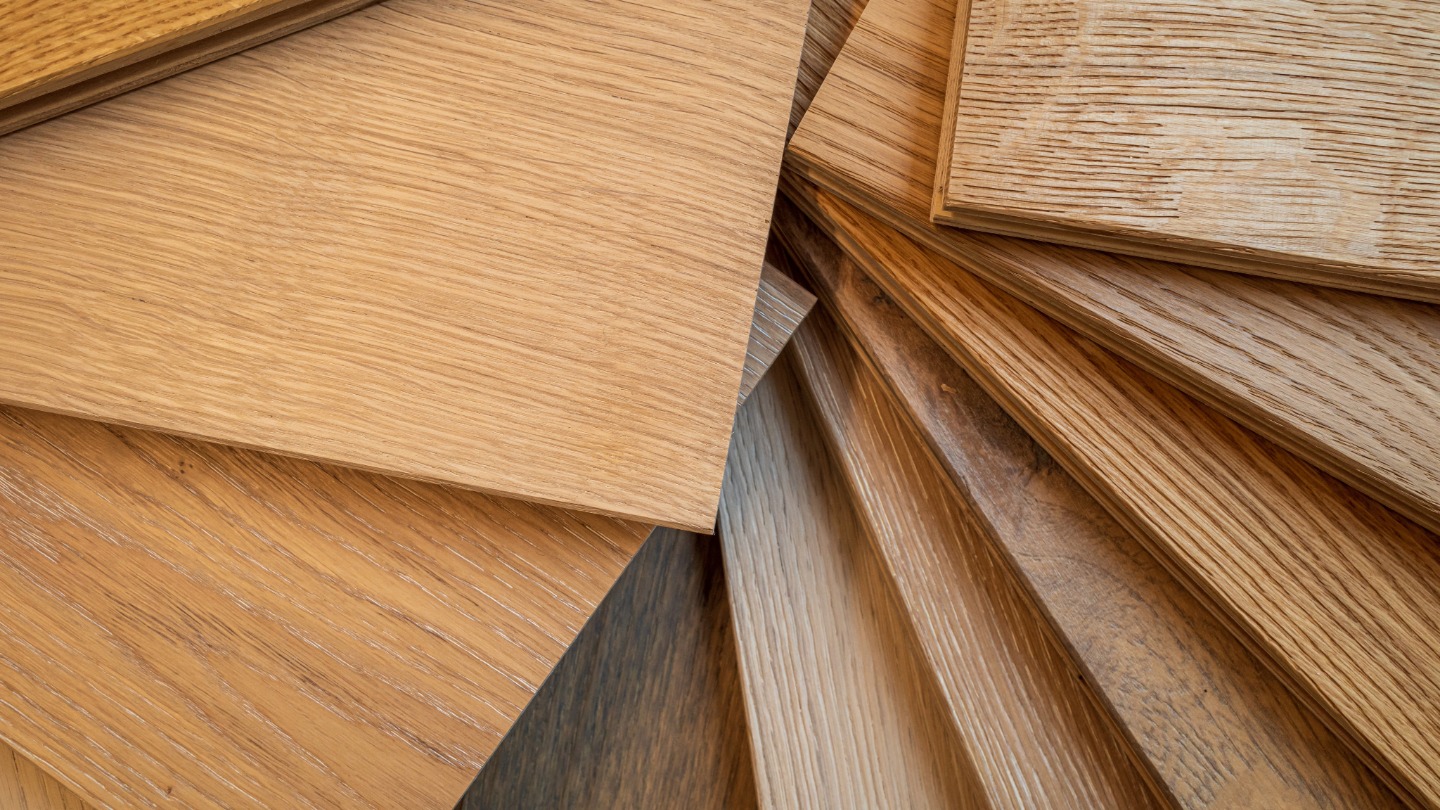
Right then, let’s talk about keeping sports halls safe, specifically when it comes to fire rules. If you’re looking after a facility with timber flooring, you’ve probably heard whispers about Part B fire regulations. It can sound a bit daunting, but honestly, it’s just about making sure everyone can get out safely if the worst happens. We’ll break down what Part B fire regulations sports hall managers really need to know about timber floors, so you can get on with running your place without any unnecessary worries.
Key Takeaways
- Part B fire regulations are the UK’s building rules for fire safety, covering how buildings should be designed and built to protect people from fire.
- For sports halls, Part B means looking at how materials, including timber flooring, react to fire and how long they can hold back flames.
- Timber flooring can meet Part B requirements, but you need to check its fire performance and any treatments or finishes applied.
- Facility managers should always check the Approved Documents, talk to timber suppliers about fire ratings, and keep up with maintenance.
- Don’t forget to consider things like sub-flooring and ventilation, and get professional help if you’re unsure about Part B fire regulations sports hall compliance.
Understanding Part B Fire Regulations for Sports Halls
What Are Part B Fire Regulations?
Right, let’s get stuck into Part B. Basically, it’s the section of the UK’s Building Regulations that deals with fire safety. Think of it as the rulebook for making sure buildings are safe if a fire breaks out. It covers everything from how buildings are designed and constructed to how they’re used, all with the aim of protecting people and property. It’s not just about stopping fires from starting, but also about making sure people can get out safely and that firefighters can do their job. It’s split into different ‘Approved Documents’, with Approved Document B (Fire Safety) being the main one we’re looking at here.
Key Requirements for Sports Halls
When it comes to sports halls, Part B gets pretty specific. You’ve got to think about things like:
- Means of Escape: How quickly and safely can everyone get out? This means clear escape routes, sufficient exits, and making sure they’re not blocked by anything – especially during an event.
- Fire Spread: How do we stop a fire from spreading too quickly? This involves the materials used in the building’s structure and finishes, and how they react to fire.
- Fire Fighting: Making sure there’s access for the fire service and that the building’s design helps them tackle a blaze.
- Smoke Control: Especially in large spaces like sports halls, managing smoke is a big deal. Smoke can disorient people and make escape much harder.
Why Part B Matters for Your Facility
Ignoring Part B isn’t just a paperwork oversight; it’s a serious safety issue. For a sports facility, where you might have lots of people gathered, often including children or those with mobility issues, getting fire safety right is non-negotiable. It affects:
- People’s Safety: This is the big one. A fire in a busy sports hall could be catastrophic if the regulations aren’t met.
- Legal Compliance: You have to follow these rules. Not doing so can lead to fines, closure, and even legal action if something goes wrong.
- Insurance: Your insurance provider will expect you to be compliant. Failure to meet Part B could invalidate your policy.
- Reputation: Nobody wants their facility to be known for safety failings. Good fire safety practices build trust with users and the community.
It’s easy to think of fire regulations as just a set of boring rules, but they’re actually designed to save lives. For a place like a sports hall, where people are active and often concentrated, these rules are extra important. They’re about making sure that if the worst happens, everyone has the best possible chance to get out safely and that the building itself doesn’t make the situation worse.
Timber Flooring and Fire Safety Compliance
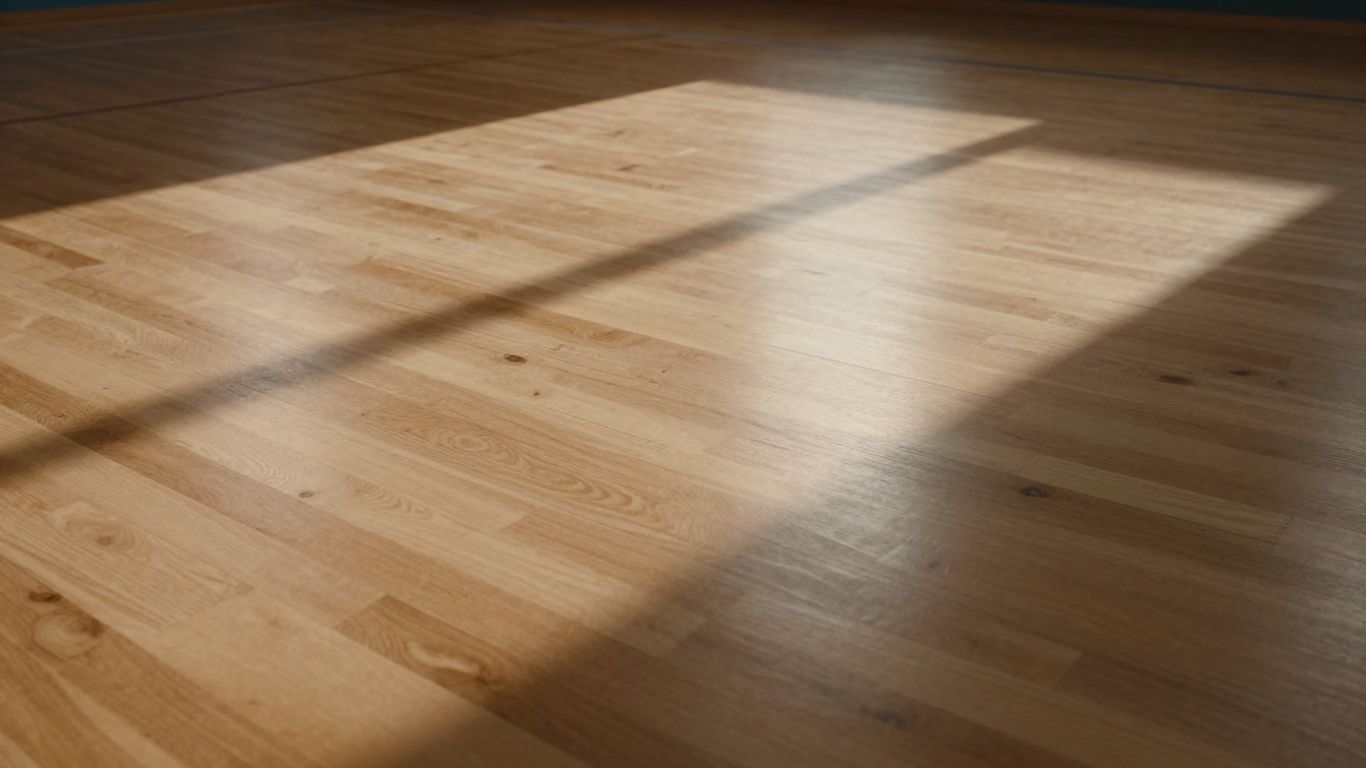
Right then, let’s talk about timber flooring and how it fits into the whole fire safety picture for your sports hall. It’s a common choice, and for good reason – it looks great, plays well, and most people like the feel of it. But when it comes to fire, we need to be sure it’s playing by the rules.
The Role of Timber in Sports Halls
Timber has been the go-to for sports flooring for ages. Think about the bounce, the grip, the natural look – it all adds up. It’s used in everything from school gyms to professional arenas. However, being a natural material, wood does burn. So, when we’re looking at Building Regulations Part B, we can’t just assume it’s all good. We need to know how it behaves when things get hot.
Assessing Timber Flooring’s Fire Performance
This is where things get a bit more technical, but it’s important. Part B is all about stopping fires from starting, spreading, and making sure people can get out safely. For flooring, this means looking at two main things: how the material reacts to fire (does it catch alight easily, does it produce a lot of smoke?) and how it performs if a fire does take hold (does it help the fire spread, or does it hold up for a bit?).
Different types of timber and different finishes will behave differently. It’s not a one-size-fits-all situation. You might have a solid wood floor, or a sprung system with timber elements. Each needs to be considered.
Meeting Part B with Your Flooring Choice
So, how do you make sure your timber floor is ticking the right boxes for Part B? It’s about making informed choices.
- Check the specifications: Always ask your flooring supplier for the fire performance data for the specific product you’re considering. They should be able to provide certificates or test reports.
- Consider the whole system: It’s not just the top layer. The sub-floor, any adhesives, and even the coatings or sealants used can affect the overall fire performance.
- Look for certifications: Some timber flooring products might have specific certifications that indicate they meet certain fire safety standards. This can make your life a lot easier.
It’s easy to get caught up in the aesthetics and performance of a sports floor, but fire safety needs to be right at the top of the list. Ignoring it can have serious consequences, not just legally, but for the safety of everyone using the facility.
Ultimately, choosing the right timber flooring means working with suppliers who understand these regulations and can provide you with products that meet the necessary standards. It’s about peace of mind, knowing your facility is safe and compliant.
Material Properties and Fire Behaviour
Right, let’s get down to the nitty-gritty of how timber actually behaves when things get a bit warm. It’s not just about picking a nice-looking wood; we need to think about how it reacts to fire and how it stands up to it. This section is all about understanding those material properties so you can make informed choices for your sports hall.
Understanding Reaction to Fire
When we talk about ‘reaction to fire’, we’re basically looking at how a material contributes to a fire’s growth. Does it ignite easily? Does it produce a lot of smoke? Does it give off flaming droplets? For sports halls, especially those with lots of people, you want materials that don’t add fuel to the fire or make an escape route difficult. Timber, being an organic material, will burn, but the rate at which it burns and the amount of smoke it produces are key factors.
Think of it like this:
- Class A: These materials don’t really burn at all. Think concrete or glass.
- Class B: These materials burn a little, but not much, and produce minimal smoke.
- Class C: These will burn more readily and produce more smoke.
- Class D & E: These are the ones that really get going and produce a lot of smoke and flames. We definitely don’t want these in a sports hall.
Part B regulations will specify the minimum reaction to fire classification required for different elements within a building, including flooring.
Evaluating Fire Resistance of Timber
This is different from ‘reaction to fire’. Fire resistance is about how long a material or a building element (like a floor structure) can hold up under fire conditions without losing its ability to do its job – like holding up a ceiling or stopping fire spread. For timber flooring, this often relates to the entire floor construction, not just the timber surface itself. The way the timber is installed, the type of sub-flooring, and any insulation used all play a part.
A key point here is that while timber itself will char and burn, it does so in a predictable way. The char layer that forms on the surface actually acts as an insulator, slowing down the rate at which the heat penetrates to the unburnt wood below. This can give the structure more time before it fails structurally compared to some other materials that might melt or collapse more suddenly.
Considering Treatments and Finishes
What you do to the timber can make a big difference. Untreated timber will behave differently to timber that’s been treated with fire-retardant chemicals or finished with specific coatings.
- Fire-retardant treatments: These are chemicals impregnated into the wood that help to slow down combustion and reduce smoke production. They can significantly improve a timber’s fire performance.
- Surface finishes: Varnishes, lacquers, and sealants can also affect how timber reacts to fire. Some might offer a small degree of protection, while others could potentially increase flammability or smoke. It’s important to check the fire classification of any finish you plan to use.
Always check the manufacturer’s specifications for any timber product or finish. They should provide data on its reaction to fire classification and, where applicable, its fire resistance. This information is vital for demonstrating compliance with Part B.
So, when you’re looking at timber flooring, don’t just think about the wood species. Consider the whole picture: how it’s treated, what it’s finished with, and how it fits into the overall floor construction. It’s all part of making sure your facility is safe.
Practical Steps for Facility Managers
Right, so you’ve got the lowdown on Part B and how timber flooring fits into the picture. Now, what do you actually do about it? It’s not just about picking a nice-looking floor; it’s about making sure it’s safe and legal. Here’s a breakdown of the practical stuff you need to get sorted.
Consulting Approved Documents
First things first, you need to know the rules. The Building Regulations, specifically Approved Document B (Fire Safety), is your go-to. It’s split into volumes, and you’ll want to pay close attention to Volume 1 (Dwellings) and Volume 2 (Buildings other than dwellings), as sports halls usually fall under the latter. It’s not exactly a light read, but it lays out what’s expected. Don’t just guess; check the official guidance.
Think of it like a recipe book for building safety. You wouldn’t just throw ingredients together for a cake and hope for the best, right? Same applies here. You need to follow the instructions to get the right result – a safe building.
Working with Timber Suppliers
Your timber flooring supplier is a key partner in all this. They should be able to tell you how their products perform when it comes to fire. Ask them for the fire classification of the timber and any finishes or treatments they recommend. They should be able to provide documentation, like test reports or certificates, that show the materials meet the required standards for reaction to fire and, if applicable, fire resistance.
Here’s what you should be asking for:
- Reaction to Fire Classification: This tells you how easily the material ignites and contributes to a fire. Look for classifications like Euroclass B or C for timber products, depending on the specific application and location within the building.
- Fire Resistance Data: If your flooring system needs to provide a specific level of fire resistance (e.g., as part of a compartment floor), ask for details on how the entire system performs, not just the timber itself.
- Certificates of Compliance: Get written confirmation that the products supplied meet the relevant British Standards or European Norms.
Ensuring Ongoing Maintenance
Compliance isn’t a one-off job. Once your floor is installed, you need to keep it that way. Regular checks and maintenance are vital. This means:
- Inspections: Periodically check the flooring for any damage, wear and tear, or alterations that might affect its fire performance. This could include checking for loose boards, damage to finishes, or any modifications made to the sub-floor.
- Record Keeping: Keep all documentation related to the flooring installation, including supplier certificates, installation records, and details of any maintenance or repairs carried out. This is your proof of compliance.
- Awareness: Make sure any staff involved in maintenance or repairs understand the fire safety implications of their work. For example, using the wrong type of adhesive or sealant could compromise fire performance.
It’s easy to think that once the building control sign-off is done, you’re home and dry. But fire safety is an ongoing commitment. Regular vigilance and proper upkeep of your timber flooring are just as important as the initial installation to keep your facility safe and compliant with Part B regulations.
Common Pitfalls to Avoid
Right, so we’ve talked about what to do, but let’s chat about what not to do. Facility managers often trip up on a few things when it comes to fire safety and sports flooring, and it’s usually the bits people overlook. Getting these wrong can land you in hot water, so let’s try and steer clear of them.
Overlooking Sub-Flooring Materials
It’s easy to get fixated on the top layer of your timber sports floor – the shiny bit everyone sees. But what’s underneath? The sub-floor, the adhesives, the underlayment – they all have a role to play in how a fire might spread. If you’ve got materials down there that aren’t up to scratch fire-wise, they can seriously compromise the whole system, even if your main timber is perfectly compliant. Think of it like building a house; a shaky foundation means the whole thing’s dodgy.
- Adhesives: Some glues can give off nasty fumes or burn quite readily. Make sure they’re rated appropriately.
- Underlayment: Is it a foam that melts easily, or something more robust?
- Plywood/OSB: Even these common materials have different fire ratings.
Ignoring Ventilation and Smoke Control
Fire safety isn’t just about stopping flames; it’s also about managing smoke. Sports halls often have complex ventilation systems. If these aren’t designed or maintained with fire safety in mind, they could actually help a fire spread faster or fill the space with smoke more quickly. Smoke inhalation is a massive danger, often more so than the flames themselves. So, how does your ventilation system interact with fire? Does it have automatic shut-offs? Are there smoke vents?
The Building Regulations (Part B) are pretty clear that fire and smoke need to be controlled. This means thinking about how air moves around the building, especially during a fire event. It’s not just about getting air in for the athletes; it’s about managing a potential emergency.
Failing to Document Compliance
This is a big one. You might have the best timber flooring, all the right treatments, and a perfectly designed sub-floor, but if you can’t prove it, it’s like it never happened. Fire officers will want to see paperwork. This includes:
- Certificates for the timber itself.
- Data sheets for adhesives and underlayments.
- Records of any fire-retardant treatments applied.
- Maintenance logs for the flooring system.
Keeping meticulous records is non-negotiable. It’s your proof that you’ve done your due diligence and that the facility meets the required standards. Without it, you’re leaving yourself wide open to issues during inspections or, worse, if something actually happens.
Seeking Expert Advice on Part B
Right, so we’ve covered a fair bit about Part B and how it ties into your sports hall flooring. It’s a lot to take in, isn’t it? Sometimes, even with the best intentions and all the info in the world, you just hit a wall. That’s where bringing in someone who really knows their stuff comes in handy. Don’t be afraid to ask for help when you need it.
When to Call in the Professionals
Honestly, if you’re feeling swamped by the technicalities of fire safety, or if your project is a bit unusual, it’s probably time to get an expert involved. This could be anything from a new build or a major refurbishment where you’re changing the flooring system, to simply having doubts about whether your current setup is fully compliant. If you’re unsure about the fire performance of a specific timber product or a combination of materials, that’s a big red flag to seek advice.
Choosing the Right Fire Safety Consultant
So, you’ve decided to get some help. Brilliant. But who do you actually call? You want someone who’s got a solid grasp of building regulations, particularly Part B, and ideally, some experience with sports facilities and timber construction. Look for consultants who are accredited or members of professional bodies. A quick chat with a few different people can help you get a feel for who you’d work best with. Ask them about their experience with similar projects and what their process looks like.
The Benefits of Expert Guidance
Getting professional advice isn’t just about ticking boxes, though that’s a big part of it. It’s about peace of mind. An expert can spot potential issues you might have missed, suggest compliant solutions that still meet your needs, and help you avoid costly mistakes down the line. They can also help you put together the necessary documentation, which, let’s be honest, can be a headache. Think of it as an investment in getting it right from the start and keeping your facility safe for everyone.
Sometimes, the simplest solution is to bring in someone who does this for a living. They’ve seen it all before and know the quickest, most effective way to get you compliant without turning your hair grey.
Need some pointers on Part B? We’ve got you covered. Our team has loads of experience and can help you figure out the best way forward. Don’t guess, get the right advice. Visit our website today to learn more and get started!
So, what’s the takeaway?
Right then, that’s a bit of a rundown on Part B fire safety rules and how they tie into timber sports flooring. It might seem like a lot to get your head around, but honestly, it’s all about keeping people safe, isn’t it? Making sure your sports hall or gym meets the regulations isn’t just ticking boxes; it’s about preventing nasty accidents. So, give your flooring a good look, check it against the rules, and if you’re unsure about anything, don’t be afraid to ask for advice. A bit of effort now can save a lot of trouble later. Stay safe out there!
Frequently Asked Questions
So, what exactly are these Part B fire rules all about for sports halls?
Basically, Part B is a set of rules in the UK that makes sure buildings are safe if there’s a fire. For sports halls, it means making sure people can get out quickly and safely, and that the building itself doesn’t make the fire worse. Think of it as a big safety checklist for fires!
Does the type of wooden floor I choose really make a difference to fire safety?
Absolutely! Wood is a natural material, and how it burns can vary. Some woods might catch fire more easily or burn faster than others. The rules look at how the flooring material, and anything under it, behaves when it gets hot or meets a flame. It’s all about slowing down a fire and giving everyone more time to escape.
What’s this ‘reaction to fire’ thing they keep talking about?
It’s a way of testing how a material, like your sports floor, behaves when it’s exposed to heat or flames. Does it catch fire easily? Does it produce a lot of smoke? Does it spread flames quickly? It’s all about understanding how the material reacts, so we can pick ones that are less likely to help a fire get out of control.
If I’ve got a wooden floor, do I need special treatments or coatings?
Sometimes, yes. Special treatments or coatings can be added to timber flooring to make it less flammable or to slow down how quickly it burns. It’s like giving the wood a protective shield. Your flooring supplier or a fire safety expert can tell you if your specific type of wood needs any of these extras to meet the Part B rules.
What if I’m not sure if my current floor is up to scratch with these rules?
Don’t guess! The best thing to do is get in touch with someone who really knows their stuff. This could be a specialist timber flooring company that understands building regulations, or a dedicated fire safety consultant. They can check your existing setup or help you choose new materials that definitely tick all the boxes.
Are there any common mistakes people make with sports hall fire safety and flooring?
Definitely. A big one is forgetting about what’s *under* the main floor – the sub-flooring and any insulation can be just as important! Another is not thinking about how smoke might spread, or failing to keep good records of all the safety checks and material certifications. It’s all connected, so you can’t just focus on one bit.
![Building Regulations Part M: Ensuring Inclusive Access and Safety for UK Leisure Centre Flooring [2026]](https://courtshipflooring.co.uk/wp-content/uploads/2026/07/journalist2F1d57470c-6abc-4bc8-b346-513598794c392Fthumbnail.jpeg)