Right then, let’s talk about keeping those sports hall floors in our Somerset schools looking decent. Living out here, we know all about mud and grit, especially when the weather turns. It seems like no matter how hard you try, a bit of the countryside finds its way inside, right onto the shiny sports floor. This isn’t just about looks, though; it can really wear down the floor over time. So, we’ve put together some thoughts on how to deal with it, from stopping the muck at the door to regular cleaning, and making sure everyone pitches in. It’s all about making school floor maintenance Somerset a bit easier for everyone.
Key Takeaways
- Stop mud and grit at the entrance with good mats and a ‘shoes off’ policy where possible.
- Regular sweeping and mopping are your best friends for daily cleaning to stop dirt building up.
- Understand what grit does to floors – it’s like sandpaper, so protection is key.
- Think about sealing the floor for extra protection, especially in high-traffic areas.
- Get the whole school involved – staff, students, and parents – to make keeping the floor clean a team effort.
Battling the Somerset Elements: Keeping Mud Out
Right then, let’s talk about the bane of every rural school’s sports hall: mud. Living in Somerset, we know a thing or two about rain, and that means our lovely green fields can turn into a muddy bog pretty quickly. When the kids come in from PE or just dashing between lessons, that mud and grit can really do a number on your sports hall floor. It’s not just about looks; it’s about wear and tear.
The Rural Challenge: Why Mud is a Constant Battle
It’s just the nature of things out here, isn’t it? We’ve got fields, we’ve got weather, and we’ve got kids who want to play. The school grounds, while beautiful, are often the source of the problem. After a good downpour, or even just a damp morning, the playground and surrounding areas can become a mud pit. Getting that mud off shoes before it hits the polished floor is the first hurdle.
Simple Strategies for Muddy Boot Prevention
Honestly, it doesn’t take a genius to figure out that stopping mud at the door is the best approach. We’re not talking about anything too complicated here, just a few sensible habits.
- Designated ‘Mud Zones’: Have a spot right outside the main entrances where kids can take off their really muddy boots. Maybe a few old mats or even just a designated patch of gravel.
- Boot Brushing Stations: A simple stiff brush or even an old washing-up brush tied to a post can make a surprising difference. Encourage kids to give their shoes a quick scrape.
- Wet Wipes/Cloths: Keep a tub of strong wet wipes or a damp cloth handy near the entrance for quick shoe clean-ups.
Effective Entrance Matting Solutions
This is where you can really make a difference. Good matting is your first line of defence. You need something that can actually scrape off the mud and trap it, not just spread it around.
- Scraper Mats: These are the tough, bristly ones you see outside shops. They’re brilliant for digging into the soles of shoes and getting the worst of the mud off.
- Dooormats (Inside and Out): Have a robust scraper mat outside the door and then a more absorbent mat inside. This two-stage approach is key. The outside mat does the heavy lifting, and the inside one catches the finer bits and moisture.
- Regular Cleaning: Don’t forget to clean the mats themselves! If they’re full of mud, they stop working. Shake them out, vacuum them, or even hose them down when they get really bad.
The goal here is to create a bit of a buffer zone. Think of it like a decontamination area for shoes before they enter the pristine environment of your sports hall. It’s about making it easy and normal for everyone to do their bit.
We’re not asking for miracles, just a bit of common sense and a few practical steps. A little effort at the entrance can save a lot of hassle and expense down the line. It’s all about managing that initial ingress of mud and grit before it even gets a chance to spread.
Tackling Grit and Grime: Protecting Your Sports Hall
Right then, let’s talk about the real enemy of a shiny sports hall floor: grit and grime. It might seem like just a bit of dirt, but honestly, it can do a surprising amount of damage over time. Think of it like sandpaper for your floor – not ideal, is it?
Understanding the Damage Grit Can Cause
That fine grit, the stuff that gets tracked in from muddy fields or even just the playground, is surprisingly abrasive. When people walk and run on it, especially during sports, those tiny particles get ground into the floor’s surface. This can lead to:
- Scratches and Scuffs: Even small scratches can dull the finish and make the floor look tired.
- Wear and Tear: Over time, this constant abrasion wears down the protective coating, making the floor more susceptible to spills and deeper damage.
- Loss of Grip: A damaged surface can become slippery, which is a big safety concern during sports activities.
The longer you leave grit to build up, the more it grinds away at your floor’s surface. It’s not just about looks; it’s about the longevity and safety of the hall.
Daily Cleaning Routines for Maximum Impact
So, what’s the game plan? It’s all about consistency. A good daily routine can make a massive difference. We’re not talking about a full-on deep clean every single day, but a few key things done regularly.
- Sweeping/Vacuuming: Get the loose stuff up. A good quality broom or a vacuum cleaner with the right attachments will do the trick. Pay attention to corners and edges where dirt likes to hide.
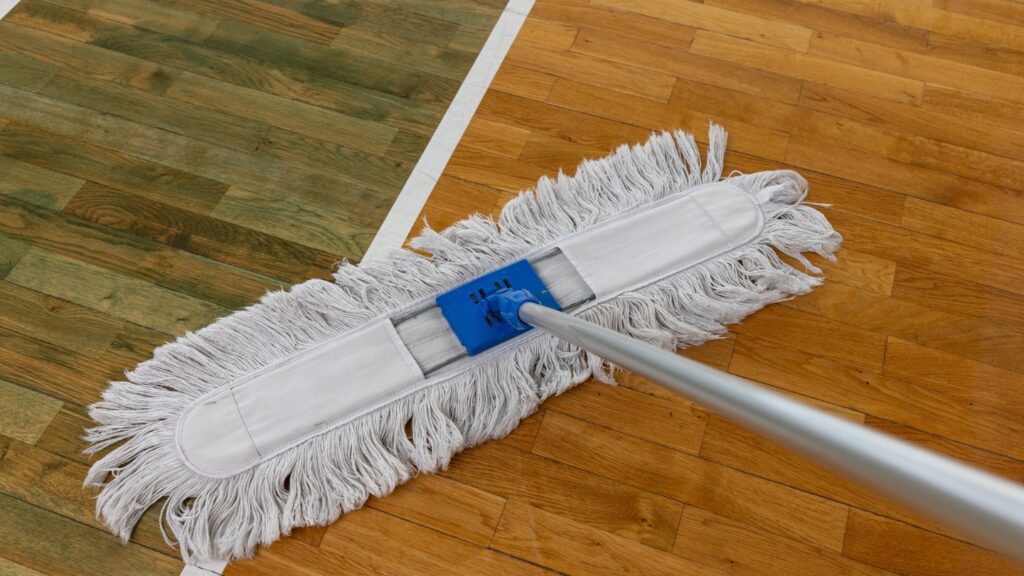
- Spot Cleaning: If you see any spills or obvious muddy patches, tackle them straight away. A damp mop and a mild cleaning solution are usually all you need.
- Entrance Check: Make sure those mats at the entrance are doing their job. Give them a quick shake out or vacuum if they look overloaded.
Choosing the Right Cleaning Equipment
Don’t just grab any old mop and bucket. The right gear makes the job easier and more effective. For a school hall, you’ll want something robust.
- Microfibre Mops: These are brilliant for picking up dirt and don’t leave too much water behind, which is good for the floor.
- Industrial Vacuums: If you can get your hands on one, an industrial vacuum is a powerhouse for getting rid of stubborn grit.
- Durable Brooms: Look for one with stiff bristles that can really get into the surface without scratching.
Keeping on top of the daily grind might seem like a chore, but it’s the best way to stop those little bits of grit from turning into big problems down the line. It saves you time and money in the long run, honestly.
Think of it as preventative maintenance. A little effort each day stops you from having to deal with a much bigger, more expensive mess later on. And nobody wants that, right?
Maintaining Pristine Floors: A Somerset School’s Guide
The Importance of Regular Floor Maintenance
Right then, let’s talk about keeping that sports hall floor looking tip-top. It’s not just about making it look nice, though that’s a bonus. A well-maintained floor is a safer floor, and honestly, it just makes everything feel a bit more professional, doesn’t it? Think about it – a scuffed, dirty floor can really bring down the whole atmosphere, especially when you’ve got teams coming over or parents watching a match. Regular care stops small problems from turning into big, expensive headaches down the line. It’s about being proactive, not reactive. We’re talking about protecting your investment and making sure the space is ready for whatever the kids throw at it, literally!
DIY vs. Professional Cleaning Services
So, you’ve got a choice to make: do you tackle the cleaning yourself, or do you call in the pros? For a rural school in Somerset, budget is always a big consideration, so it’s worth weighing up.
- DIY: This can save you cash, no doubt. You can get your caretaker or a dedicated team to do daily sweeps and spot cleans. It’s great for keeping on top of the day-to-day grit and grime. You’ll need to make sure whoever is doing it knows what they’re doing, though. Using the wrong cleaner or equipment can do more harm than good.
- Professional Services: These guys have the gear and the know-how. They can do those deeper cleans that really make a difference, especially for stubborn marks or when you need a proper refresh. It might cost more upfront, but it can save you time and prevent damage that would cost a fortune to fix later. Plus, they often have specialist knowledge about different floor types.
It really depends on your school’s resources and how much time you have. Sometimes a mix of both is the best way forward.
Investing in Long-Term Floor Health
Looking after your sports hall floor isn’t just about cleaning it today; it’s about making sure it lasts for years to come. Think of it like looking after an old car – regular servicing keeps it running smoothly. For sports floors, this means a few things:
- Consistent Cleaning: Stick to a routine. Daily sweeping and mopping are non-negotiable.
- Prompt Repairs: See a scratch or a scuff? Get it sorted quickly before it gets worse.
- Protective Measures: Use mats at entrances, and maybe even temporary covers for events that might cause extra wear and tear.
- Periodic Deep Cleans: Don’t let dirt build up in the nooks and crannies. A good deep clean every so often makes a world of difference.
Taking these steps means you’re not just cleaning; you’re actively preserving the floor’s integrity and appearance. It’s a bit like putting money in the bank for the future of your school’s facilities. You want that floor to be a great asset for a long time, not a constant worry.
Choosing the right approach, whether it’s a bit of elbow grease from your team or bringing in specialists, all boils down to keeping that floor in the best possible shape. It’s a worthwhile effort for everyone at the school.
Beyond the Basics: Advanced Floor Care Techniques
Deep Cleaning Methods for Stubborn Stains
Right, so you’ve got the daily wipe-downs sorted, and the mats are doing their job. But what about those really tough marks? We’re talking scuff marks from trainers that just won’t budge, or maybe a mysterious sticky patch that’s appeared overnight. For these, a standard mop just isn’t going to cut it. You might need to look at some more targeted approaches. For general scuffs, a good quality sports floor cleaner applied with a microfibre pad can work wonders. Just make sure it’s suitable for your floor type – you don’t want to make things worse!
For anything a bit more stubborn, like paint or ink, you might need a specific stain remover. Always test these in an inconspicuous area first, though. Nobody wants to end up with a bleached patch on their lovely sports floor. Sometimes, a gentle scrub with a soft brush can help lift the stain before you wipe it away. The key is to act quickly; the longer a stain sits, the harder it is to get out.
Sealing and Protecting Your Sports Floor
Think of sealing your sports floor like putting a protective coat on it. It’s not just about making it look shiny; it’s about creating a barrier against all that mud, grit, and general wear and tear we’ve been talking about. A good seal can make cleaning much easier down the line and stop spills from soaking in and causing damage. Different floors need different types of sealants, so it’s worth checking what’s best for yours. Some are water-based, others solvent-based, and they offer varying levels of protection and durability.
Applying a seal isn’t usually a quick job. It often involves a few coats, and you’ll need to let each one dry properly. This means you’ll likely have to close off the sports hall for a day or two, which can be a bit of a headache for a busy school. But honestly, the long-term benefits are well worth the temporary disruption.
Seasonal Floor Care Considerations
Somerset weather is, well, Somerset weather. This means we get our fair share of rain and mud, especially in autumn and winter. During these wetter months, you’ll probably need to step up your cleaning game. More frequent sweeping and mopping will be necessary to deal with the increased mud ingress. Think about having extra mats at entrances and perhaps even a ‘boot cleaning station’ outside if possible – a stiff brush and a bucket of water can make a surprising difference.
Come spring and summer, things might seem easier, but don’t get complacent. You’ll still have dust and general foot traffic to contend with. Plus, the warmer weather can sometimes make certain types of grime stickier. It’s always a good idea to have a routine that adapts to the seasons, rather than a one-size-fits-all approach. This way, your sports hall floor stays in top nick all year round.
Community Effort: Involving Staff and Students
Educating the School Community on Floor Care
Right, let’s talk about getting everyone on board with keeping those sports hall floors looking decent. It’s not just down to the caretaker, is it? We all use the hall, and we all have a part to play. First off, we need to make sure everyone actually knows why it’s important. A quick chat in assembly, maybe a poster or two – nothing too heavy, just a reminder that a bit of care stops the floor getting scratched up and looking a mess.
Creating a ‘Clean Zone’ Culture
Think of the entrance to the sports hall like a gateway. We want to make it a bit of a transition point. So, maybe we can set up a little ‘clean zone’ right there. This means having a clear spot where boots get wiped properly, or even better, where people swap their outdoor shoes for indoor ones. It sounds like a faff, but honestly, it makes a massive difference. We could even have a little sign that says something like, ‘Leave the mud outside!’
Simple Steps Everyone Can Take
It doesn’t have to be complicated. We can get the kids involved with simple things. Here are a few ideas:
- Wipe your feet: Sounds obvious, but a good, solid wipe before walking through the doors.
- No muddy boots inside: If it’s really bad out, maybe have a rule about not wearing muddy boots straight into the hall.
- Report spills: If someone spills something, or notices a bit of damage, encourage them to tell a teacher or staff member straight away. It’s easier to fix small problems before they get big.
- Keep it tidy: After games or PE, a quick sweep of any obvious debris can help a lot.
The key is making it feel like a shared responsibility, not just another chore. When everyone chips in, even with the smallest actions, it adds up. It’s about building a bit of pride in our school facilities.
We could even have a little friendly competition between classes to see who can keep their area around the hall the tidiest. Just a bit of fun to get people thinking about it. It’s amazing what a bit of positive reinforcement can do, rather than just telling people off all the time.
Smart Solutions for School Floor Maintenance in Somerset
Cost-Effective Strategies for Rural Schools
Look, keeping a sports hall floor looking decent in Somerset isn’t always easy on a tight budget. We get it. Rural schools often have to be extra clever with their resources. The trick is to focus on prevention and smart, regular upkeep rather than waiting for big, expensive problems to pop up. Think about it: a bit of effort now saves a lot of hassle (and cash) later. We’re talking about simple things that make a real difference without breaking the bank. For instance, investing in good quality mats at entrances is a no-brainer. They might seem like a small thing, but they catch a surprising amount of mud and grit before it even gets near the main hall. We’ve found that a layered approach works best – a tough scraper mat outside, followed by a more absorbent one just inside the door. It’s a bit like building a defence line for your floor!
Finding Local Support for Floor Care
Sometimes, you just need a bit of help, right? Especially when you’re dealing with specific issues like Somerset’s weather throws at you. Trying to find reliable local support can feel like a challenge, but it’s often worth the effort. We’re not talking about huge national companies here, but smaller, local businesses that understand the unique needs of schools in our area. They might offer services like:
- Regular floor cleaning and buffing
- Minor repairs to floor surfaces
- Advice on the best cleaning products for your specific floor type
- Emergency spill clean-ups
It’s good to have a few contacts you can trust. Building relationships with local suppliers means they’re more likely to be flexible with scheduling and understand your school’s specific situation. Plus, you’re supporting the local economy, which is always a bonus.
Prioritising Your School Floor Maintenance Somerset Needs
So, how do you actually get this done? It’s all about making a plan and sticking to it. You can’t just hope for the best. Here’s a simple way to think about it:
- Assess: Take a good look at your floor. Where are the problem areas? Is it the main entrance, the changing rooms, or the hall itself?
- Plan: Based on your assessment, decide what needs doing. This could be daily sweeping, weekly mopping, monthly deep cleans, or annual professional checks.
- Budget: Figure out how much you can realistically spend. Look for cost-effective solutions, like bulk buying cleaning supplies or sharing resources with other local schools if possible.
- Assign: Who is going to do what? Make sure everyone knows their responsibilities, whether it’s a caretaker, a student volunteer, or an external contractor.
Remember, a well-maintained sports floor isn’t just about looking good; it’s about safety, longevity, and creating a positive environment for everyone at the school. Don’t let the mud and grit win!
Keeping school floors in Somerset looking their best doesn’t have to be a chore. We offer simple, effective ways to maintain your school’s floors, making sure they stay safe and look great for everyone. Want to learn more about how we can help your school shine? Visit our website today for all the details!
So, what’s the takeaway?
Right then, keeping that sports hall floor looking decent in our Somerset schools, especially with all the mud and grit that seems to find its way in, is a bit of a battle. It’s not rocket science, but it does take a bit of effort and a plan. Getting everyone on board, from the kids to the caretakers, makes a massive difference. Simple things like good mats at the doors and a quick sweep after games can stop a lot of the mess before it even starts. It’s about making it a habit, really. A bit of teamwork goes a long way, and honestly, a clean floor just makes everything feel better, doesn’t it? Plus, it’s better for the floor in the long run. So, let’s all try and keep those muddy boots outside!
Frequently Asked Questions
Why do Somerset schools get so much mud in their sports halls?
Ah, Somerset! Beautiful, isn’t it? But all that lovely countryside means fields, farms, and often, a fair bit of rain. When kids come in from playing outside, especially after a wet spell, they bring in all sorts of mud and dirt from the fields and country lanes. It’s just part of rural life, really!
What’s the easiest way to stop mud from getting everywhere?
The best trick is to tackle it right at the door. Think about having a good ‘scraper’ mat outside to get the worst of the mud off boots, and then a really absorbent ‘wiper’ mat just inside. Getting everyone to take their muddy shoes off or wipe them properly before they even step onto the sports hall floor makes a massive difference.
How often should we be cleaning the sports hall floor?
Ideally, a quick sweep or mop every day is a good shout, especially after it’s been used. This stops little bits of grit from grinding into the floor. A more thorough clean once a week, or as needed, will keep it looking tip-top and prevent damage.
What kind of cleaning gear works best for sports hall floors?
For everyday stuff, a good quality dust mop is brilliant. For deeper cleans, a floor scrubber machine can be a real time-saver. Make sure whatever you use is suitable for your specific floor type – you don’t want to damage it!
Should we try to clean the floor ourselves or hire someone?
It really depends on your school’s budget and how much time you have. For basic daily cleaning, your own staff can probably manage. But for those really tough jobs, like deep cleaning or fixing scratches, hiring professionals might be the smarter, long-term choice. They’ve got the right tools and know-how.
How can we get students to help keep the floor clean?
Make it a team effort! Talk to the kids about why a clean floor is important for their games and safety. Set up simple rules, like ‘no outdoor shoes on the court’ or ‘wipe your feet’. Little reminders and making it a bit of a game can work wonders. Everyone playing their part makes a huge difference.
![Building Regulations Part M: Ensuring Inclusive Access and Safety for UK Leisure Centre Flooring [2026]](https://courtshipflooring.co.uk/wp-content/uploads/2026/07/journalist2F1d57470c-6abc-4bc8-b346-513598794c392Fthumbnail.jpeg)