Living and playing sports in South West England means dealing with a fair bit of damp air, right? This salty, humid weather can really mess with sports floors if you’re not careful. We’re talking about everything from basketball courts to gymnasiums. Keeping these surfaces in good nick is super important for athletes and for making sure the place lasts. This article is all about how to keep your sports flooring in top shape, even with all that coastal air around. We’ll look at why it matters, what causes problems, and what you can actually do about it. Proper coastal sports flooring maintenance is key!
Key Takeaways
- Coastal humidity, with its salty air and dampness, can seriously affect sports flooring, leading to wear and tear, and even affecting player safety.
- Seasonal weather changes in the South West mean you need to be extra mindful of moisture levels in sports arenas, especially those near the sea.
- Regular cleaning and checking your ventilation systems are vital parts of coastal sports flooring maintenance to keep moisture at bay.
- When building or refurbishing, picking flooring materials that can handle damp and salty conditions is a smart move to avoid future headaches.
- Staying on top of minor floor issues and getting professional advice when needed will help your sports flooring last longer and perform better.
Understanding Coastal Humidity’s Impact on Sports Floors
Right then, let’s chat about something that might not immediately spring to mind when you think about sports arenas, especially down here in the South West: the weather. Specifically, that damp, salty air we get. It’s not just about making your hair frizzy; it can actually mess with your sports flooring if you’re not careful.
The Salty Air Effect
That sea breeze is lovely, isn’t it? But that salt it carries? It’s a bit of a sneaky one. Over time, salt particles can settle on surfaces. On a sports floor, this can lead to a few issues. It can make the surface a bit gritty, which isn’t great for grip. Plus, salt is corrosive, so it can start to break down certain finishes or even the material itself if left unchecked. Think of it like leaving metal out in the rain – it doesn’t end well.
Moisture’s Grip on Different Materials
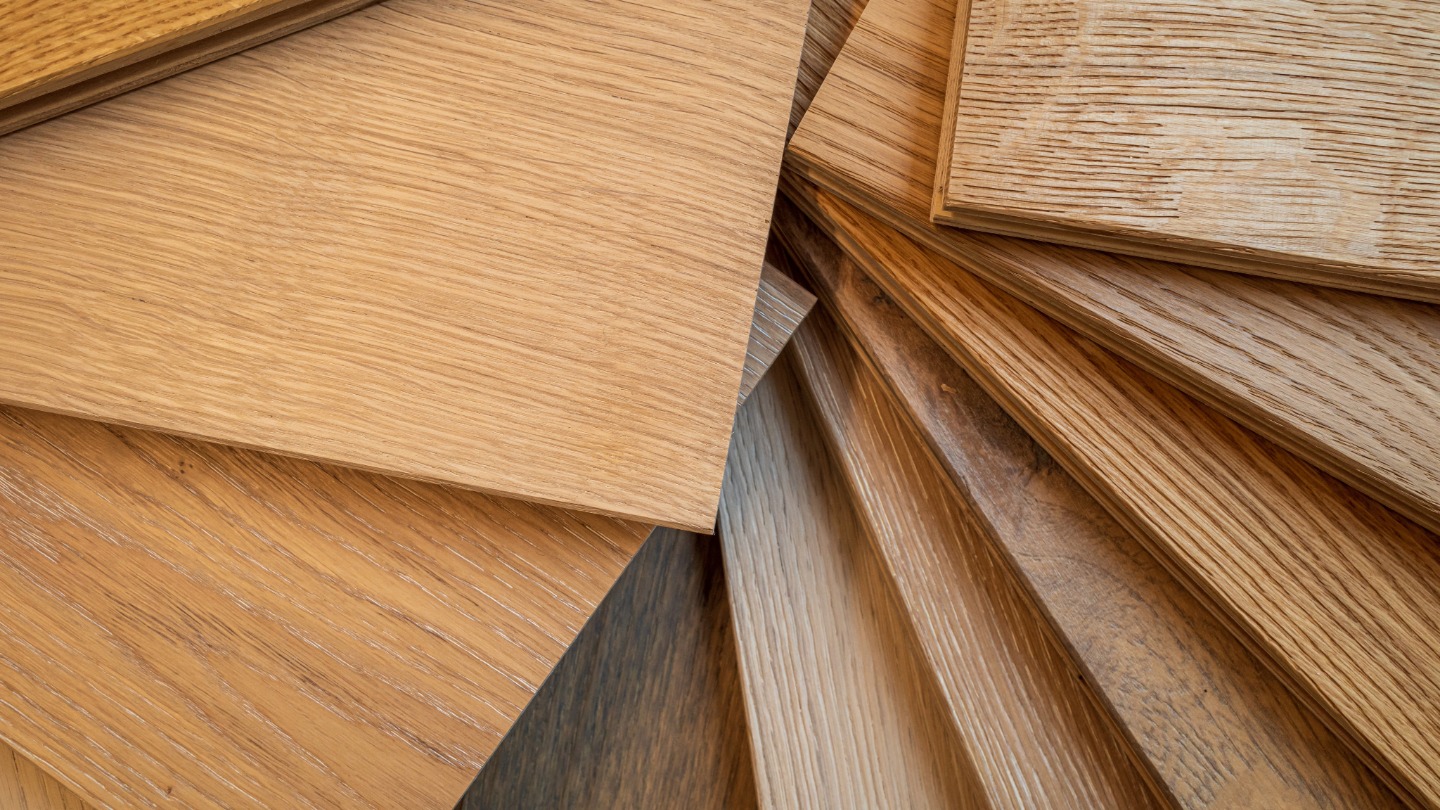
Different flooring materials react to dampness in their own ways. Wood, for instance, is a bit of a sponge. It can swell up when it’s humid and shrink when it’s dry. This constant expansion and contraction can lead to gaps appearing, or worse, warping. Vinyl and rubber floors are generally more forgiving, but even they can suffer. Too much moisture can get trapped underneath, leading to mould and mildew, or it can affect the adhesive holding the floor down. The key is that no material is completely immune to the effects of persistent dampness.
Why It Matters For Athletes
So, why should we bother about all this? Well, it directly impacts the athletes. A floor that’s compromised by humidity can become slippery, increasing the risk of falls and injuries. It can also affect how the ball bounces or how players move, changing the game itself. Imagine trying to make a sharp turn on a slightly sticky or uneven surface – it’s just not going to feel right, and it could hold a team back. We want our arenas to be top-notch, right?
Keeping an eye on the humidity isn’t just about comfort; it’s about safety and fair play. A well-maintained floor means athletes can focus on their game, not on whether the surface is going to let them down.
Key Factors Affecting South West Sports Flooring
Seasonal Swings In Dampness
Right then, let’s talk about the weather down here in the South West. It’s not just about packing an umbrella, is it? Our region is famous for its damp air, and this really messes with sports floors. You know how it is – one minute it’s sunny, the next it’s pouring. This constant change in moisture levels means your floor is always expanding and contracting. This movement can lead to gaps appearing, or worse, the surface buckling. It’s a real headache for anyone trying to keep a sports arena in tip-top shape.
Building Ventilation Challenges
Now, even if you’ve got a decent floor, how the building itself is ventilated plays a massive part. Older buildings, especially, can be a bit rubbish at moving air around. If the air gets stagnant, that moisture just hangs around, clinging to everything. Think about it: all those people, the sweat, the drinks spilled – it all adds to the humidity inside. Getting good airflow is key to stopping dampness from settling in. Without it, you’re fighting a losing battle against mould and warped wood.
Proximity To The Sea
This is a big one for us coastal folk. Being close to the sea means not just damp air, but salty air. That salt can be a real sneaky saboteur. It gets everywhere, and over time, it can start to corrode certain materials. It’s not just about the visible salt spray either; the salt particles are tiny and get carried inland. This means even arenas a little way from the beach aren’t entirely safe. It’s a constant battle to keep that salty residue from impacting your flooring’s lifespan and performance.
The combination of sea air and fluctuating humidity creates a unique challenge for sports flooring in coastal areas. It’s not just about keeping things dry; it’s about managing the specific corrosive elements that come with living by the coast. This requires a more tailored approach than you might find inland.
Here’s a quick rundown of what happens:
- Wood Floors: Absorb moisture, swell, and can warp or cup. They can also become more prone to rot.
- Synthetic Floors: While generally more resistant, some can still be affected by salt and prolonged dampness, leading to delamination or surface degradation.
- Adhesives: The glue holding everything together can weaken under constant moisture and temperature changes, causing tiles or planks to lift.
Essential Coastal Sports Flooring Maintenance Strategies
Right then, let’s talk about keeping your sports floor in tip-top shape, especially when you’re dealing with that damp, salty air we get down here in the South West. It’s not just about making it look good; it’s about keeping it safe and playing well for the athletes. Consistent care is the name of the game.
Regular Cleaning Protocols
This might sound obvious, but you’d be surprised how many places let this slide. A good clean isn’t just about sweeping up the dust bunnies. We’re talking about a proper routine that tackles the specific challenges of a coastal environment.
- Daily Sweep/Vacuum: Get rid of loose dirt and grit. This stops it from getting ground into the floor and causing scratches.
- Weekly Damp Mop: Use a mild, pH-neutral cleaner. Avoid anything too harsh that could damage the finish or the wood itself. Make sure the mop is only slightly damp, not soaking wet. We don’t want puddles!
- Monthly Deep Clean: This might involve a more thorough wash, perhaps with a floor machine if you have one, to really get into the grain and remove any build-up.
- Spot Cleaning: Deal with spills immediately. Juice, sweat, whatever it is, mop it up straight away to prevent staining or damage.
Moisture Monitoring And Control
This is where things get a bit more technical, but it’s super important. You need to know what’s going on with the moisture levels in your floor and the air around it.
- Hygrometer Use: Get a few good hygrometers (they measure humidity) and place them around the arena. Keep an eye on the readings, especially during different seasons.
- Target Humidity: Aim for a relative humidity level between 40% and 60%. Anything outside this range can cause problems.
- Dehumidifiers: If your readings are consistently too high, especially during humid summer months or after rain, you might need to invest in some good dehumidifiers. Run them regularly.
- Air Conditioning: If you have an AC system, use it to help regulate both temperature and humidity. It’s a double win.
Keeping an eye on moisture isn’t just about preventing the floor from swelling or shrinking. It’s also about stopping mould and mildew from taking hold, which can be a real health hazard and smell pretty grim.
Ventilation System Checks
Your building’s ventilation is your first line of defence against trapped moisture and stale air. Regular checks are a must.
- Filter Changes: Make sure the air filters are clean and changed according to the manufacturer’s schedule. Clogged filters mean poor airflow.
- Damper Adjustments: Check that the vents and dampers are working correctly and can be adjusted to allow for maximum air exchange when needed.
- Fan Functionality: Ensure all fans are running smoothly and are powerful enough to circulate air effectively throughout the entire space.
- Professional Servicing: Get the whole system checked over by a professional at least once a year. They can spot issues you might miss and make sure it’s running efficiently.
Choosing The Right Materials For Coastal Arenas
Durable Options For Salty Climates
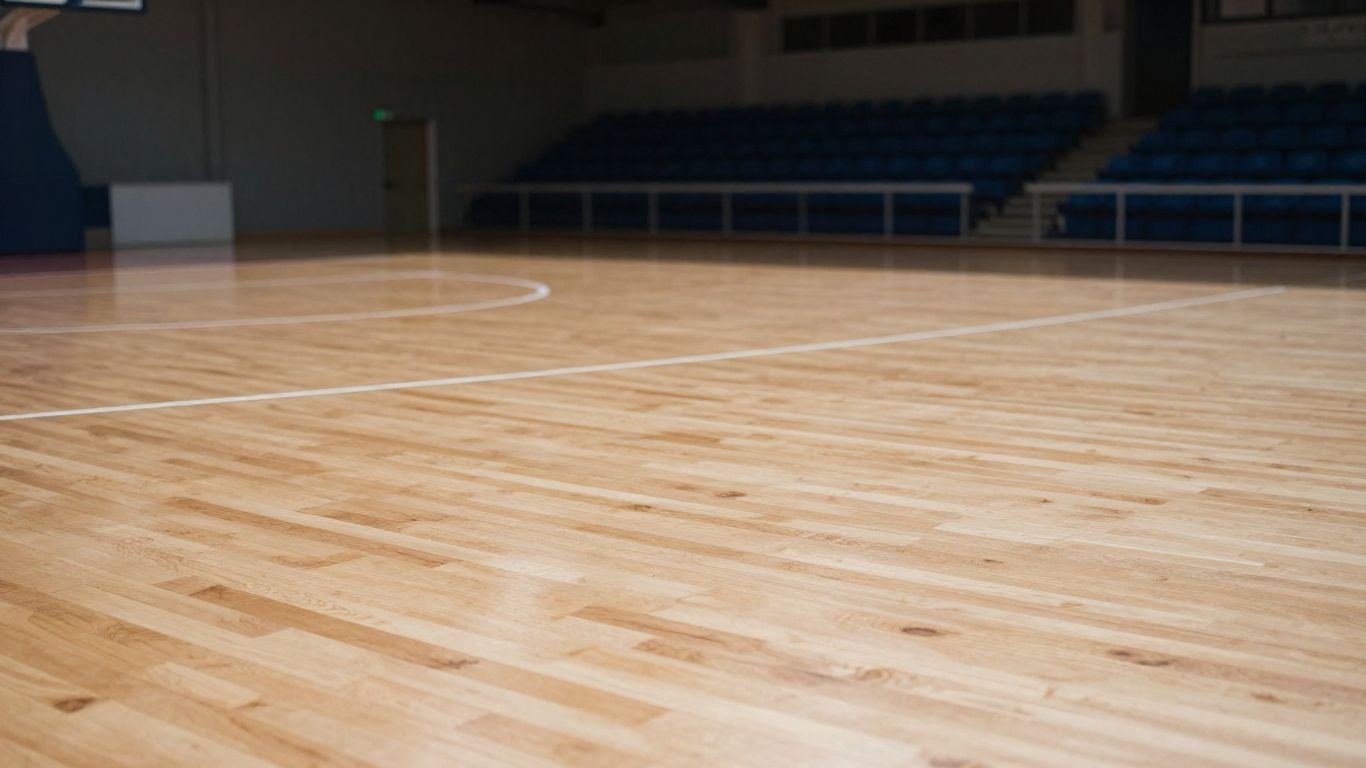
When you’re setting up a sports arena near the coast, picking the right flooring is a big deal. The salty air and dampness can really do a number on certain materials. You want something that can stand up to the elements without falling apart. Think about materials that don’t rust easily or get damaged by moisture. Wood, for instance, needs to be treated properly, or you might find yourself replacing it sooner than you’d like. It’s all about picking stuff that’s built to last in a tough environment.
Water-Resistant Finishes
Even with the best base materials, the finish on your sports floor is super important, especially in places like South West England where it’s often damp. A good, water-resistant finish acts like a shield. It stops moisture from soaking into the floor, which can cause all sorts of problems like warping, swelling, or even mould growth. You’ll want to look into specific sealants and coatings designed for high-humidity areas. These aren’t just about looks; they’re about protecting your investment and keeping the floor safe for athletes.
Considering Synthetic Alternatives
Sometimes, the best way to deal with coastal conditions is to go synthetic. Materials like high-quality vinyl, rubber, or specialised polyurethane surfaces are often much more forgiving when it comes to moisture and salt. They don’t absorb water in the same way natural materials do, and they’re generally easier to clean and maintain. Plus, many of these synthetic options are designed with sports performance in mind, offering good grip and shock absorption. It might seem like a bigger upfront cost, but the long-term benefits in a coastal setting can really pay off.
Here’s a quick look at some common choices:
- Solid Wood: Needs excellent sealing and regular maintenance. Can be beautiful but is more vulnerable.
- Engineered Wood: Often more stable than solid wood, but still requires protection.
- Vinyl/Linoleum: Generally good resistance to moisture, but check the specific product.
- Rubber Flooring: Excellent durability and moisture resistance, often used in gyms.
- Polyurethane/Synthetic: Top-tier options for extreme conditions, designed for performance and longevity.
When you’re choosing materials for a sports floor in a coastal area, think about how well they’ll handle constant dampness and salty air. It’s not just about how they look today, but how they’ll perform in five or ten years. Getting this right from the start saves a lot of hassle and money down the line.
Proactive Steps For Long-Term Flooring Health
Right then, let’s chat about keeping your sports floor in tip-top shape, especially with all that salty air hanging around. It’s not just about cleaning; it’s about being a bit clever and getting ahead of any potential problems. Think of it like looking after your car – a bit of regular TLC stops it from turning into a rust bucket, doesn’t it?
Scheduled Inspections
This is where you get a bit Sherlock Holmes on your floor. Don’t wait for something to go wrong. A good look-over every few months can spot little things before they become big headaches. We’re talking about checking for any signs of wear and tear, loose bits, or any weird discolouration that might be the first hint of trouble.
- Monthly visual checks: Quick walk-around, look for obvious damage.
- Quarterly detailed inspections: Get down on your hands and knees, check joints, edges, and high-traffic areas.
- Annual professional assessment: Bring in the experts to give it a proper once-over.
Addressing Minor Issues Promptly
See a tiny scratch? A small chip? Don’t just ignore it. Little problems have a nasty habit of growing if you leave them to fester. A quick fix now can save you a fortune and a lot of hassle down the line. It’s like patching up a small hole in your jumper before it turns into a massive rip.
If you spot a loose seam or a bit of peeling finish, sort it out straight away. A small repair kit or a quick call to a maintenance person is way better than waiting until the whole section needs redoing.
Professional Advice For Coastal Sports Flooring Maintenance
Sometimes, you just need to call in the cavalry. The folks who really know their stuff about sports flooring, especially in places like South West England, can offer advice that’s gold dust. They’ve seen it all and know the specific challenges that coastal environments throw at these surfaces. They can point you towards the best products, the right techniques, and even help you plan out a maintenance schedule that actually works for your specific setup. Don’t be shy about asking for their input; it’s an investment in keeping your floor performing well for years to come.
Maintaining Peak Performance Through Smart Flooring Care
Right then, let’s talk about keeping your sports floor in tip-top shape, especially when you’re dealing with that damp South West air. It’s not just about making it look good; it’s about making sure the athletes can do their best without any dodgy flooring getting in the way.
Preventing Slippage and Accidents
This is a big one. Nobody wants a player sliding out of nowhere because the floor’s a bit slick. Humidity can make surfaces surprisingly greasy, even if you can’t see it. Regular cleaning is your first line of defence, obviously. We’re talking about getting rid of dust, sweat, and any grime that builds up. A good sweep and a damp mop with the right cleaner can make a world of difference.
- Daily: Quick sweep to pick up loose debris.
- Weekly: A proper mop with a pH-neutral cleaner.
- Monthly: Deep clean, maybe even a light scrub if needed, focusing on high-traffic areas.
If you’ve got a wooden floor, you’ll want to be extra careful about how much water you use. Too much and you’re asking for trouble with warping and swelling.
Ensuring Consistent Playability
Think about it – a ball bounces differently on a damp patch than a dry one, right? This inconsistency can really throw off a game. Keeping the moisture levels steady is key. You want the floor to feel the same underfoot, whether it’s the first minute of a match or the last. This means paying attention to your ventilation systems and maybe even using dehumidifiers during those really muggy spells.
Keeping the environment stable stops the floor from expanding and contracting too much. This means the surface stays true, and the ball behaves as it should.
Extending the Lifespan of Your Investment
Sports floors aren’t cheap, are they? Looking after it properly means you won’t be shelling out for major repairs or a full replacement anytime soon. It’s all about being proactive. Catching little issues before they become big ones saves you time, money, and a whole lot of hassle. Regular checks, even just a quick walk-around, can spot things like loose boards, scuffs, or areas where the finish might be wearing thin. Getting these sorted quickly means your floor stays in great condition for years to come.
Keeping your sports floor in top shape is super important for great games. A well-looked-after floor means better play and fewer slips. We know all about making sure your sports surfaces stay in the best condition, so they’re always ready for action. Want to learn more about how we can help keep your flooring looking and performing its best? Visit our website today for all the details!
So, What’s the Takeaway?
Right then, we’ve had a look at how the damp air down here in the South West can mess with sports floors. It’s not just about making things feel a bit sticky, is it? It can actually affect how well athletes can play. Keeping an eye on humidity and making sure the flooring is looked after properly isn’t just a nice-to-have, it’s pretty important if you want those arenas to keep performing at their best. A bit of regular care goes a long way, honestly. So, let’s all try and keep those courts in good nick, eh?
Frequently Asked Questions
Why does the salty air near the coast cause problems for sports floors?
Think of salt like tiny little sponges that love to soak up moisture from the air. When this salty, damp air gets onto your sports floor, it can make the wood swell up or even start to corrode certain materials. This can make the floor uneven or sticky, which isn’t good for playing sports.
Does the type of sports floor material matter when it’s humid?
Absolutely! Some materials are like ducks to water – they don’t mind a bit of dampness. Others, especially natural wood, can get a bit grumpy. Wood can warp or get soft if it’s constantly wet. Synthetic floors might hold up a bit better, but even they can get slippery if they’re too damp.
How can I tell if my sports floor is getting too much moisture?
Keep an eye out for any changes. Does the floor feel sticky or soft in places? Are there any strange smells, like damp socks? You can also get special little gadgets called hygrometers that measure how much water is in the air. Checking these regularly is a smart move.
What’s the best way to clean a sports floor in a damp area?
The key is to clean it, but not to soak it! Use a mop that’s only slightly damp, and make sure the floor dries quickly afterwards. Regular sweeping is also super important to get rid of any salt or grit that might be trapped, as these can hold onto moisture.
Should I worry about the ventilation in my sports hall?
Definitely! Good ventilation is like giving your sports floor a breath of fresh air. It helps to move the damp air out and bring in drier air. If your ventilation system isn’t working well, especially during those damp winter months, moisture can build up really fast.
Can I just pick any sports floor for a seaside sports hall?
It’s best to be picky! When you’re choosing a floor for a place near the sea, look for materials that are known to be tough against damp and salt. Sometimes, special coatings or finishes can add an extra layer of protection. And don’t forget to ask for advice from people who know about sports flooring in coastal places.
![Building Regulations Part M: Ensuring Inclusive Access and Safety for UK Leisure Centre Flooring [2026]](https://courtshipflooring.co.uk/wp-content/uploads/2026/07/journalist2F1d57470c-6abc-4bc8-b346-513598794c392Fthumbnail.jpeg)