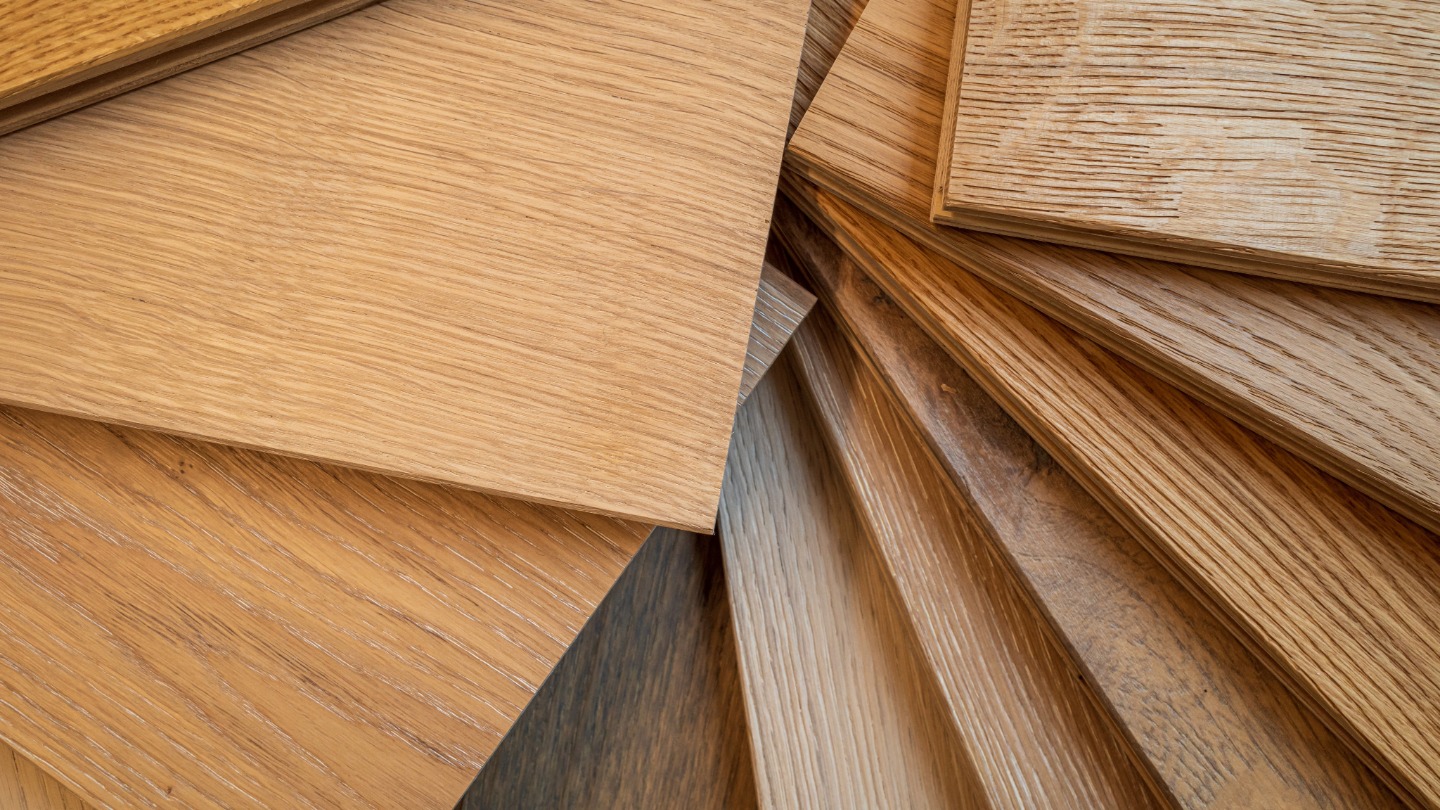
Ever noticed how some kids complain about sore shins after sports? It’s a common thing, and often it’s down to shin splints. But did you know the floor they’re playing on could be a big part of the problem? We’re going to have a look at how different types of flooring, especially area-elastic sports flooring, might make a difference for young athletes. It’s not just about the game; it’s about keeping those legs healthy.
Key Takeaways
- Shin splints happen when muscles and bones in the lower leg get sore from too much activity, and students can be more prone to them.
- The way a sports floor absorbs shock really matters for your body. Some floors are better than others at spreading out the impact.
- Area-elastic sports flooring works by spreading the force of jumps and landings over a wider space, which is kinder to your shins.
- While point-elastic floors are okay for some things, area-elastic surfaces seem to be a better choice for stopping shin splints and keeping students playing.
- Picking the right floor for school sports is important for student health, and getting advice from experts can help make the best choice.
Understanding Shin Splints In Young Athletes
What Are Shin Splints, Really?
So, you’ve probably heard the term ‘shin splints’ thrown around, especially if you’ve got kids involved in sports. But what exactly are they? Basically, it’s that nagging ache you feel along the front or inside edge of your shin bone. It’s not usually a serious injury, but it can be a real pain (literally!) and stop young athletes in their tracks. Medically, it’s often called medial tibial stress syndrome. It happens when the muscles, tendons, and bone tissue around your shin get overloaded. Think of it as your body sending out an SOS signal because it’s had a bit too much stress, too quickly.
Why Are Students Particularly Susceptible?
Kids and teenagers are often prime candidates for shin splints, and there are a few reasons for this. Firstly, their bodies are still growing and developing. Bones might not be fully hardened, and growth plates can be more sensitive. Secondly, when students get excited about a new sport or season, they often ramp up their training intensity way too fast. Jumping from zero to hero overnight is a classic recipe for trouble. Also, sometimes footwear isn’t quite right, or the surfaces they’re training on are really hard. It’s a bit of a perfect storm, really.
- Sudden increase in training load
- Growing bodies with developing bones
- Inadequate or worn-out footwear
- Playing on hard, unforgiving surfaces
The Impact On Sports Participation
Shin splints can really put a damper on a young athlete’s enthusiasm. When you’re constantly dealing with that dull ache or sharp pain every time you run, jump, or even walk, it’s hard to stay motivated. It can mean missing out on practices, sitting on the sidelines during games, or even having to take a break from a sport they love altogether. This can be tough emotionally, as well as physically. For many students, their sport is a huge part of their identity and social life, so dealing with shin splints can feel like a big deal. It’s not just about the physical discomfort; it’s about the disruption to their routine and their passion.
It’s easy to dismiss shin splints as ‘just a bit of growing pain’ or ‘not a big deal’, but for a young person who lives and breathes their sport, it can feel like the end of the world. The frustration of being sidelined, coupled with the persistent discomfort, can lead to a loss of confidence and enjoyment.
How Flooring Affects Your Body
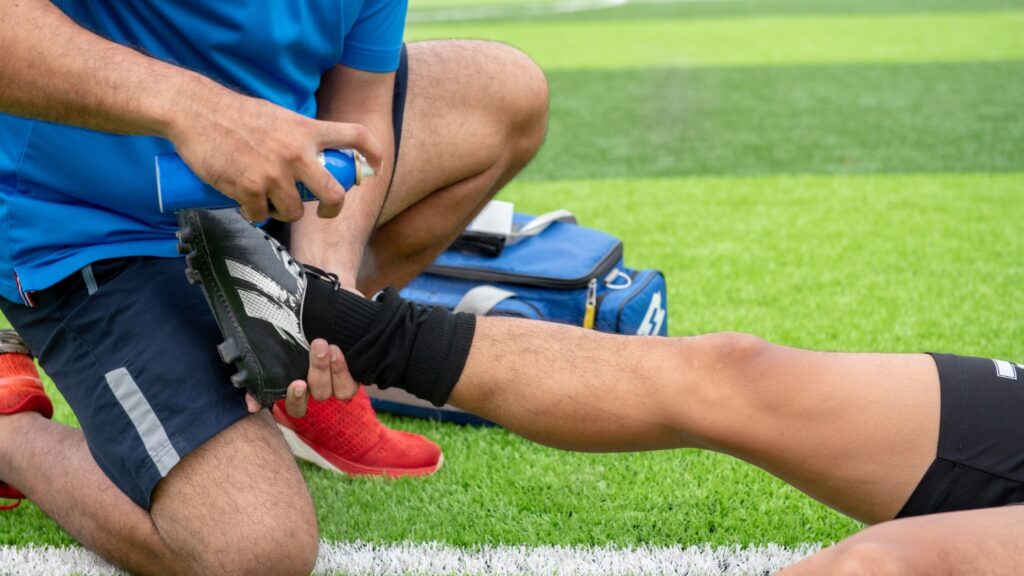
Ever thought about what’s actually happening under your feet when you’re running around the sports hall or doing PE? It turns out, the surface you’re playing on makes a pretty big difference to your body, especially your legs. It’s not just about how bouncy it feels; it’s about how the floor deals with the forces you put into it.
The Science Behind Impact Absorption
When you land after a jump, or even just run, your feet hit the ground with a certain amount of force. Your body, particularly your legs and feet, has to deal with that impact. Think of it like this: if you drop a glass on a carpet, it’s probably going to be okay. Drop it on a concrete floor, and it’s a different story. The floor plays a massive role in how that impact is managed.
- Impact Force: The energy generated when your foot strikes the ground.
- Absorption: How well the flooring material can soak up that energy.
- Rebound: How much energy is returned to your body after the impact.
The goal is to have a surface that absorbs enough impact to protect your joints but also gives a little bit back so you don’t feel like you’re running in mud. Too much absorption and you lose speed; too little and you risk injury.
Point-Elastic Flooring Explained
Point-elastic flooring is designed to absorb impact in a very localised spot. Imagine pressing down on a memory foam mattress – the dip is right where you press. This type of flooring is great for absorbing shock right at the point of impact. It’s often used in sports where quick, sharp movements are common.
- How it works: It deforms directly under the pressure point.
- Pros: Good shock absorption for individual impacts.
- Cons: Can sometimes feel a bit too ‘dead’ or lack support for sustained activity.
While point-elastic surfaces are good at taking the initial hit, they can sometimes concentrate the stress in a small area. This might be fine for some sports, but for activities involving lots of repetitive impact, it’s worth considering if that localised stress is ideal.
Area-Elastic Sports Flooring: A Different Approach
Area-elastic flooring, on the other hand, spreads the impact force over a much wider area. Instead of just the spot you land on, the force is distributed across a larger section of the floor. Think of it like stepping on a large, firm cushion – the pressure is spread out. This means less concentrated stress on any one part of the floor, and importantly, less concentrated stress on your body.
- How it works: It distributes impact across a wider surface.
- Pros: Reduces peak stress on joints, offers more consistent support.
- Cons: Might require a slightly different sub-construction.
This approach is particularly beneficial for sports that involve a lot of running and jumping, as it helps to manage the cumulative stress on your legs over time.
Area-Elastic Flooring’s Advantage
Right, so we’ve talked about how flooring can mess with your legs, especially when you’re young and active. Now, let’s get into why area-elastic sports flooring is often the better shout for keeping those pesky shin splints at bay. It’s not just a fancy name; there’s some real science behind it.
Distributing Impact Across A Wider Area
Think about it like this: when you land after a jump or make a quick stop, all that force has to go somewhere. With point-elastic flooring, the shock is absorbed right where you hit it. It’s like stepping on a single, firm cushion. Area-elastic flooring, though, is different. It’s designed to spread that impact out over a much bigger section of the floor. So, instead of one concentrated spot taking the brunt, the force is shared. This wider distribution means less intense pressure on any single point of your foot or leg. It’s like landing on a big, supportive mattress rather than a small, hard pillow.
Reducing Peak Stress On Lower Legs
Because the impact is spread out, the ‘peak stress’ – that moment of maximum force on your shins – is significantly lower. Imagine a car hitting a pothole versus driving over a gently sloped ramp. The pothole is a sharp, jarring shock, while the ramp is a smoother transition. Area-elastic flooring acts more like that ramp. It reduces those sharp, jarring forces that can lead to micro-trauma in the shin bones and surrounding tissues. This is super important for young athletes whose bodies are still developing and might be more prone to injury from repeated high stress.
Supporting Natural Movement Patterns
Another cool thing about area-elastic flooring is how it works with how your body naturally moves. It provides a stable base, but with just enough give to allow for natural foot flexion and shock absorption. This means you’re not fighting the floor; it’s working with you. It helps maintain a more natural gait and landing mechanics, which can prevent compensatory movements that might put extra strain on your shins. It’s about letting you move freely and safely, without the floor fighting back or forcing awkward adjustments.
Here’s a quick rundown of how it helps:
- Less concentrated force: Impact is spread out, not focused.
- Smoother landings: Reduces jarring shocks to the legs.
- Better biomechanics: Supports natural foot and leg movement.
- Reduced risk: Directly tackles a key cause of shin splints.
When we talk about sports surfaces, it’s easy to get bogged down in technical specs. But at the end of the day, it all comes down to how the surface interacts with the athlete’s body. Area-elastic flooring aims to minimise the harsh forces that can lead to common injuries like shin splints, particularly in younger, still-growing bodies.
Comparing Flooring Types For Shin Splint Prevention
When Point-Elastic Might Be Suitable
Okay, so point-elastic flooring. You’ve probably seen it around. It’s the kind of surface where the impact is really concentrated right where you land. Think of a single spot taking all the force. For some sports, especially those that don’t involve a huge amount of jumping or hard landings, it might seem okay. It’s often used in multi-purpose halls where you need a bit of everything. It can be cost-effective, which is always a plus for schools, right? But when we’re talking about keeping young athletes’ legs happy and avoiding those nasty shin splints, it’s not always the best choice. It’s like hitting a drum – the sound (or in this case, the impact) is very localised.
Why Area-Elastic Sports Flooring Excels
This is where area-elastic flooring really shines, especially for schools. Instead of all the shock going straight down to one spot, it spreads out. Imagine landing on a trampoline versus landing on a hard tile. The area-elastic stuff is designed to absorb and distribute that impact across a much wider section of the floor. This means less direct, jarring force hitting your shins with every step, jump, or landing. It’s all about reducing that peak stress on your lower legs. This difference is pretty significant when you consider how much running and jumping kids do during sports and PE lessons. It supports the natural way your body moves, rather than fighting against it.
Long-Term Benefits For Student Health
Choosing the right flooring isn’t just about the immediate game; it’s about the long haul. Shin splints can be a real pain, literally, and they can put a damper on a student’s enthusiasm for sports. By opting for area-elastic flooring, schools are making a proactive investment in their students’ health. Less pain means more participation, and more participation means fitter, happier kids. It’s a simple equation, really. Over time, this can lead to fewer missed practices, fewer visits to the physio, and a generally more positive experience with physical activity. It’s about creating an environment where students can thrive without unnecessary physical strain.
Here’s a quick rundown of how they stack up:
- Point-Elastic:
- Impact concentrated on a small area.
- Can be suitable for low-impact activities.
- Often more budget-friendly initially.
- Area-Elastic:
- Impact spread across a wider area.
- Better shock absorption for high-impact sports.
- Reduces peak stress on joints and bones.
- Supports natural biomechanics.
When you’re looking at sports flooring for schools, the focus should always be on protecting the students. While cost is a factor, the potential for injury and the long-term health of young athletes needs to be the top priority. Area-elastic flooring offers a clear advantage in this regard.
Choosing The Right Surface For School Sports
Considering Different Sports Demands
So, we’ve chatted about shin splints and how different floors can play a part. Now, let’s get down to brass tacks: picking the right surface for your school’s sports facilities. It’s not a one-size-fits-all situation, you know? Different sports really do need different things from a floor. Think about it – a basketball player needs a surface that lets them pivot and stop quickly without feeling like their ankles are going to twist. On the other hand, someone doing gymnastics might need a bit more give to cushion landings. The key is matching the flooring’s properties to the specific demands of the activities taking place.
The Importance Of Professional Advice
Look, I’m all for doing your homework, but when it comes to something as important as student health and safety, it’s probably best to get the pros involved. Sports flooring specialists have seen it all. They know the technical bits about shock absorption, elasticity, and all that jazz. They can look at your space, talk to your PE teachers about what sports are played most, and then recommend a surface that ticks all the boxes. It’s not just about preventing shin splints; it’s about making sure the floor is safe and suitable for everything from netball drills to dance practice.
Investing In Student Well-being
Ultimately, putting the right sports flooring in place is a proper investment in your students. It’s not just about having a nice-looking gym; it’s about creating an environment where kids can be active, have fun, and stay healthy. Reducing the risk of injuries like shin splints means fewer kids sitting on the sidelines. It means more consistent participation in sports and physical activity, which is a win-win for everyone. Think of it as building a foundation for a lifetime of healthy habits, starting right here at school.
Picking the right floor for school sports is super important. It needs to be safe, tough, and good for all sorts of games. Whether it’s for PE lessons or big matches, the surface makes a real difference to how well the students play and stay injury-free. We know how crucial this is for schools, and we’re here to help you find the perfect fit.
Want to know more about making the best choice for your school’s sports areas? Visit our website today to explore your options and get expert advice!
So, What’s the Takeaway?
Right then, after all that chat about shin splints and different types of flooring, what’s the main thing to remember? Basically, it seems like flooring that gives a bit more, the ‘area-elastic’ stuff, is probably a better bet for keeping those painful shin splints at bay, especially for students who are on their feet a lot. The ‘point-elastic’ kind, while good for some things, might not offer quite the same cushioning. It’s not a magic cure, of course, but choosing the right surface could make a real difference to comfort and help avoid those nasty aches. Definitely something to think about when kitting out sports halls or even just common areas where people are moving about.
Frequently Asked Questions
So, what exactly are shin splints?
Imagine your shin bone and the muscles around it getting really sore and achy, especially after running or jumping. That’s pretty much shin splints! It’s basically your body telling you it’s had a bit too much stress in that area.
Why do kids playing sports get them more often?
Well, kids are often growing super fast, and their bones and muscles are still developing. Plus, they might be trying out new sports or pushing themselves harder, which can put extra strain on their legs. Sometimes, the surfaces they play on don’t help either!
How does the floor we play on actually make a difference?
Think about jumping off a high step onto concrete versus jumping onto a soft mat. The concrete hurts your legs way more, right? Sports floors work similarly. Some are designed to soak up the shock better than others, protecting your bones and muscles from the pounding.
What’s the difference between point-elastic and area-elastic flooring?
Good question! Point-elastic flooring is like a small, bouncy spot – it only gives way right where you land. Area-elastic flooring is more spread out; it absorbs the shock over a larger section, like a gentle wave. This means the force isn’t concentrated in just one tiny spot on your leg.
So, area-elastic flooring is better for stopping shin splints?
Generally, yes! Because it spreads the impact out, it puts less direct pressure on your shins. This helps prevent that sharp, painful stress that leads to shin splints, allowing you to move more naturally and comfortably.
Does this mean we should only use area-elastic floors for all school sports?
Not necessarily! Different sports have different needs. But for activities involving a lot of jumping and running, where shin splints are a common problem, area-elastic flooring is a really smart choice to help keep students healthy and playing.
![Building Regulations Part M: Ensuring Inclusive Access and Safety for UK Leisure Centre Flooring [2026]](https://courtshipflooring.co.uk/wp-content/uploads/2026/07/journalist2F1d57470c-6abc-4bc8-b346-513598794c392Fthumbnail.jpeg)