So, you’re thinking about sports flooring for your indoor space, maybe for a school gym or a community centre? It’s a big decision, and there’s a standard called BS EN 14904 that you’ll want to know about, especially with new rules coming in 2026. This standard basically sets the benchmark for how good sports floors should be. We’ll break down what it means and why it’s a big deal for anyone involved in sports facilities.
Key Takeaways
- BS EN 14904 is the main European standard for indoor sports flooring, covering how well it performs for athletes and the sport itself.
- It looks at things like how much impact the floor absorbs to protect players, how much it gives way when someone moves, and how much grip it offers.
- Other important bits include how well the floor handles heavy loads, if it’s smooth enough to avoid scrapes, and how the ball bounces off it.
- Getting the right BS EN 14904 sports flooring and making sure it’s put down properly are both super important for safety and performance.
- Keeping up with this standard, especially with changes expected by 2026, means your sports facility will be safe and ready for years to come.
Understanding BS EN 14904 Sports Flooring Standards
What is BS EN 14904?
Right then, let’s get stuck into what BS EN 14904 actually is. Basically, it’s a European standard, a set of rules and guidelines, that covers indoor sports flooring. Think of it as the benchmark for how these floors should perform, especially when it comes to keeping athletes safe and making sure the game is played fairly. It’s not just about making a floor look nice; it’s about how it behaves under pressure, during all sorts of sports activities. This standard is all about performance and safety. It looks at a whole load of different factors that contribute to a good sports floor, from how much it gives when someone lands on it to how much grip it provides. It’s pretty detailed stuff, really.
Why is This Standard So Important for Indoor Sports?
So, why all the fuss about this particular standard? Well, indoor sports are pretty demanding on both the players and their playing surface. You’ve got quick changes of direction, jumps, slides, and impacts – all happening constantly. Without a floor that’s up to scratch, you’re looking at a recipe for injuries. We’re talking sprains, strains, and worse. BS EN 14904 sets out the minimum performance levels that a floor needs to meet to be considered suitable for sports. It means that when you see a floor that’s certified to this standard, you can have a bit more confidence that it’s going to handle the rigours of sport without causing problems. It’s about creating a consistent and reliable environment for athletes, whether they’re playing a casual game or competing at a high level. It helps to level the playing field, quite literally, by ensuring the surface itself isn’t a limiting factor or a danger.
Key Performance Areas of BS EN 14904 Sports Flooring
Right then, let’s get down to the nitty-gritty of what actually makes a sports floor tick according to BS EN 14904. It’s not just about looking pretty; it’s about how the floor performs under pressure, day in, day out. Think of these as the core tests that separate a decent floor from a truly top-notch one.
Shock Absorption: Protecting Athletes
This is a big one, honestly. When athletes jump, land, or even just move quickly, there’s a lot of impact going through their bodies. A good sports floor needs to soak up a good chunk of that shock. It’s like giving their joints a bit of a break. The standard specifies how much force the floor must absorb to reduce the risk of injuries like sprains and strains. We’re talking about protecting knees, ankles, and backs, especially over long periods of play. A floor that doesn’t absorb shock well can lead to chronic issues for players, which is the last thing anyone wants.
Vertical Deformation: Bounce and Playability
This might sound a bit technical, but it’s really about how the floor reacts when something presses down on it. When you step or jump, the floor gives a little. This ‘give’ is vertical deformation. It’s important because it affects how the ball bounces and how the athlete feels when they move. Too much deformation, and the floor feels spongy, affecting speed and agility. Too little, and it’s too hard, leading back to shock absorption issues. It’s a balancing act to get that right amount of ‘give’ for optimal performance.
Friction: Grip and Safety
Ever seen someone slip on a wet floor? Not pretty. In sports, good friction is absolutely vital for safety and performance. You need enough grip to change direction quickly, stop suddenly, and generally move around without sliding uncontrollably. But too much friction can also be a problem, potentially causing injuries when the foot sticks while the body is still moving. BS EN 14904 sets clear limits for friction levels, ensuring athletes can perform their best without unnecessary risks. It’s all about that controlled grip.
Getting these three areas right is the foundation of a compliant sports floor. They directly impact athlete well-being and the quality of the game being played. It’s not just about meeting a standard; it’s about creating a safe and effective environment for sport.
Here’s a quick rundown of what the standard looks at:
- Shock Absorption: Measured as a percentage of impact force absorbed.
- Vertical Deformation: How much the surface sinks under load.
- Friction: The resistance to sliding, measured in different conditions.
Beyond the Basics: Other Crucial BS EN 14904 Criteria
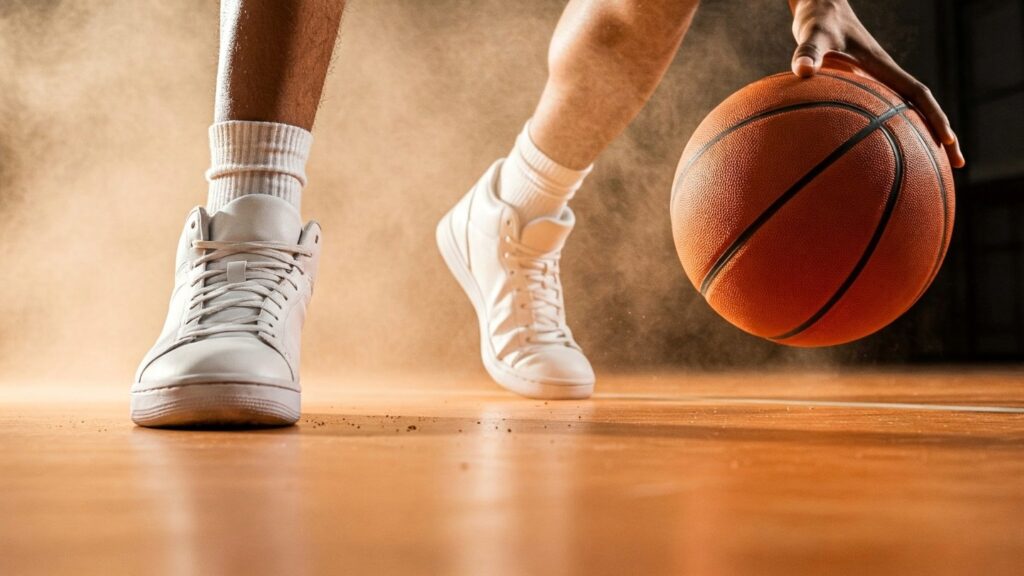
So, we’ve covered the big hitters like shock absorption and friction, which are pretty obvious when you think about it. But BS EN 1490904 doesn’t stop there. There are a few other bits and bobs that might not jump out at you straight away, but they’re super important for making sure your sports floor is up to scratch and keeps everyone safe and happy.
Rolling Load Resistance: Durability Under Pressure
Think about all the heavy stuff that gets moved around a sports hall. We’re talking about benches, goalposts, maybe even temporary staging for events. This standard looks at how well the floor can handle that kind of weight without getting damaged. It’s all about making sure your floor lasts and doesn’t end up with dents or cracks after just a few years. A floor that can’t take a bit of a pounding is going to cost you a fortune in repairs down the line.
Surface Smoothness: Preventing Injuries
This one’s a bit more subtle. The surface needs to be smooth enough to prevent scrapes and grazes, but not so smooth that it becomes slippery (we’ve already covered friction, but this is related!). It’s about finding that sweet spot. Imagine a player sliding or diving – you don’t want them catching their skin on a rough patch. It’s a detail that makes a big difference to player comfort and safety.
Ball Rebound: Fair Play Guaranteed
This is particularly important for sports like basketball or handball. The floor needs to have a consistent ball rebound. What does that mean? It means the ball bounces back from the floor in a predictable way, no matter where it lands. If some areas make the ball bounce higher or lower than others, it can really mess with the game. Consistent ball rebound means fair play for everyone involved.
Here’s a quick rundown of what else BS EN 14904 checks for:
- Dimensional stability: The floor shouldn’t warp or change shape with temperature or humidity changes.
- Water resistance: Important for cleaning and in case of spills.
- Resistance to chemicals: Think cleaning products or sweat – the floor needs to hold up.
It’s easy to get caught up in the main performance metrics, but these secondary criteria are what really make a sports floor a long-term, safe, and reliable investment. They might seem minor, but they add up to a much better playing experience and fewer headaches for facility managers.
Getting these details right means your sports hall will be a better place to play, train, and compete for years to come.
Preparing for Compliance: What You Need to Know
Right then, so you’re looking to get your indoor sports flooring up to scratch with BS EN 14904. It sounds a bit daunting, doesn’t it? But honestly, it’s more about making sure you’ve got the right stuff and it’s put down properly. Think of it as getting the best foundation for your athletes and your facility.
Choosing the Right BS EN 14904 Sports Flooring
This is where you really need to pay attention. Not all sports floors are created equal, and definitely not all of them will meet the 14904 standard. You’ll want to look for flooring systems that are certified to the standard. This usually means the manufacturer has had their product tested against all the key performance areas we’ve talked about – shock absorption, deformation, friction, and so on. Don’t just take their word for it; ask for the test reports or certificates. It’s a bit like buying a car; you want to see the safety ratings, right?
Here’s a quick rundown of what to look for:
- Certified Performance: The flooring system must have documented proof of meeting BS EN 14904 requirements.
- Sport-Specific Needs: Different sports have slightly different demands. A basketball court might need a bit more shock absorption than a general multi-purpose hall.
- Material Quality: Look at the materials used. Are they durable? Will they stand up to heavy use and regular cleaning?
- Manufacturer Reputation: Go with established brands that have a track record in sports flooring. They’re more likely to have products that are genuinely compliant.
Installation Matters: Getting It Right
Even the best flooring in the world won’t perform as it should if it’s not installed correctly. This is a big one. The installation process is just as critical as the flooring material itself. A poorly installed floor can fail tests, lead to injuries, and just generally be a headache. You need installers who know what they’re doing, specifically with sports flooring systems that need to meet standards like BS EN 14904.
What does ‘getting it right’ involve?
- Qualified Installers: Use a company that specialises in sports flooring installation and is familiar with the BS EN 14904 standard.
- Subfloor Preparation: The surface underneath needs to be perfectly prepared. Any unevenness or dampness can cause problems down the line.
- Following Manufacturer Guidelines: The flooring manufacturer will have specific instructions for installation. These aren’t suggestions; they’re requirements for the system to perform correctly.
- Testing Post-Installation: In some cases, it might be worth having a post-installation check or even a re-test to confirm everything is as it should be.
Think of it this way: you wouldn’t build a house without a solid plan and skilled builders, would you? Sports flooring is no different. Getting the choice of flooring and the installation spot on means you’re setting yourself up for success, keeping athletes safe, and making sure your facility is fit for purpose for years to come. It’s an investment, and like any good investment, it pays to do it properly from the start.
The Future of Indoor Sports Flooring: 2026 and Beyond
So, what’s next for indoor sports flooring, especially with the 2026 update to BS EN 14904 on the horizon? It’s not just about ticking boxes; it’s about making sure our sports halls are safe, perform well, and last the distance. The standard is always evolving to keep pace with sports science and athlete needs.
Anticipating Changes in the Standard
Standards committees are always looking at new research and how sports are played. We can expect the 2026 update to reflect these shifts. Think about it: sports change, equipment changes, and how athletes train changes too. The flooring needs to keep up.
- Increased focus on player safety: More stringent tests for slip resistance and impact protection are likely. This means flooring will need to offer even better grip and cushioning.
- Sustainability considerations: There might be more emphasis on the environmental impact of flooring materials and their lifecycle.
- Adaptability for multi-use spaces: As sports halls are used for more than just one sport, the standard might look at how flooring performs across different activities.
It’s wise to keep an eye on the official updates as they get closer. Manufacturers will be shouting about their compliant products, but it’s good to know what to look for yourself.
Long-Term Benefits of Compliant Flooring
Choosing flooring that meets BS EN 14904 isn’t just a short-term fix; it’s an investment. Getting it right from the start means fewer headaches down the line.
- Reduced risk of injuries: Better shock absorption and friction mean fewer sprains, strains, and falls. Happy athletes, fewer insurance claims.
- Improved athletic performance: Consistent ball rebound and good surface grip allow athletes to perform at their best without the floor holding them back.
- Extended lifespan of the flooring: Durable, well-specified flooring stands up to heavy use, saving money on replacements and repairs over the years.
Basically, sticking to the standard, and especially the upcoming 2026 version, means you’re getting a top-notch surface that supports athletes, the game, and your budget in the long run. It’s about building a solid foundation for sports today and tomorrow.
Looking ahead to 2026 and beyond, indoor sports flooring is set for some exciting changes. We’re seeing new materials and designs that will make courts even better for players and spectators alike. Want to know more about what’s coming next for sports surfaces? Visit our website today to explore the latest trends and innovations!
So, What’s the Takeaway?
Right then, that’s the lowdown on BS EN 14904. It might sound a bit technical, but really, it’s all about making sure sports halls are safe and perform well for everyone, from the local netball team to the pros. Getting it right means fewer injuries and better games, simple as that. So, whether you’re building a new place or sprucing up an old one, keeping this standard in mind is a smart move. It’s the benchmark for a reason, and come 2026, it’s the one to beat. Don’t get caught out – make sure your sports floor is up to scratch!
Frequently Asked Questions
So, what exactly is this BS EN 14904 thing?
Basically, it’s a set of rules, like a quality check, for indoor sports floors. It makes sure the floor is safe and good for playing sports on, whether that’s basketball, badminton, or anything else that involves running and jumping.
Why should I care about this standard?
Think of it as a guarantee. A floor meeting this standard means it’s designed to help prevent injuries by absorbing shocks and giving you the right amount of grip. It also makes sure the ball bounces fairly, so the game is played properly.
What does ‘shock absorption’ mean for my game?
It means the floor can soak up some of the impact when you jump or land. This is super important because it stops your joints, like knees and ankles, from taking all the force. Less strain means fewer injuries and you can play for longer!
Does the floor affect how the ball bounces?
Absolutely! The standard checks how well the ball rebounds. A good bounce means the game is fair and predictable. You don’t want a floor where the ball either dies or flies off in a weird direction, do you?
How does this standard help with grip?
It’s all about friction. The floor needs to have just the right amount of grip. Too slippery and you’ll fall over; too sticky and you might twist an ankle when you change direction. BS EN 14904 ensures it’s just right for safe movement.
What’s the deal with the 2026 date?
That’s when the rules might get updated or become even more important. It’s like a deadline to make sure all new sports floors are up to scratch with the latest safety and performance requirements. It’s all about keeping sports safe and fun for everyone.