Right then, let’s chat about something that might be bugging you if you run a sports hall in Somerset: hard water. You know, that stuff that leaves chalky marks everywhere? It’s a real pain, especially on sports floors. We’re going to look at how it messes things up and, more importantly, what you can do about it. Proper Somerset sports hall maintenance is key here, so let’s get stuck in.
Key Takeaways
- Hard water, common in Somerset, leaves behind limescale when water evaporates.
- This limescale can make sports floors look dull and, more worryingly, become slippery.
- Regular cleaning with the right stuff helps, but sometimes you need more than just a mop.
- Consider water softeners to tackle the root cause and protect your flooring.
- Good maintenance not only keeps floors looking good but also saves you money in the long run.
Understanding Hard Water’s Impact on Somerset Sports Floors
Right then, let’s chat about something that might be making your sports hall floor a bit of a pain: hard water. If you’re in Somerset, you’ve probably heard about it, or maybe you’ve seen the effects yourself. It’s not just about your kettle getting a bit furry, you know. It can actually cause some real headaches for sports facilities.
What Exactly Is Hard Water?
So, what’s the deal with hard water? Basically, it’s water that has a high mineral content. Think calcium and magnesium. These minerals get dissolved into the water as it travels through underground rocks. The harder the rock, the more minerals it picks up. It’s a natural process, but it means that when this water evaporates, those minerals get left behind. This is the stuff that causes limescale.
Why Somerset’s Water Causes Limescale Woes
Somerset, bless it, has a lot of limestone and chalky soil. This means the water that filters through it tends to pick up a fair bit of calcium. So, compared to some other parts of the country, our water here is often on the harder side. It’s just the geology of the place! This naturally occurring mineral content means that limescale build-up is a pretty common issue for homes and businesses across the county, including sports halls.
The Visible Signs on Your Sports Hall Floor
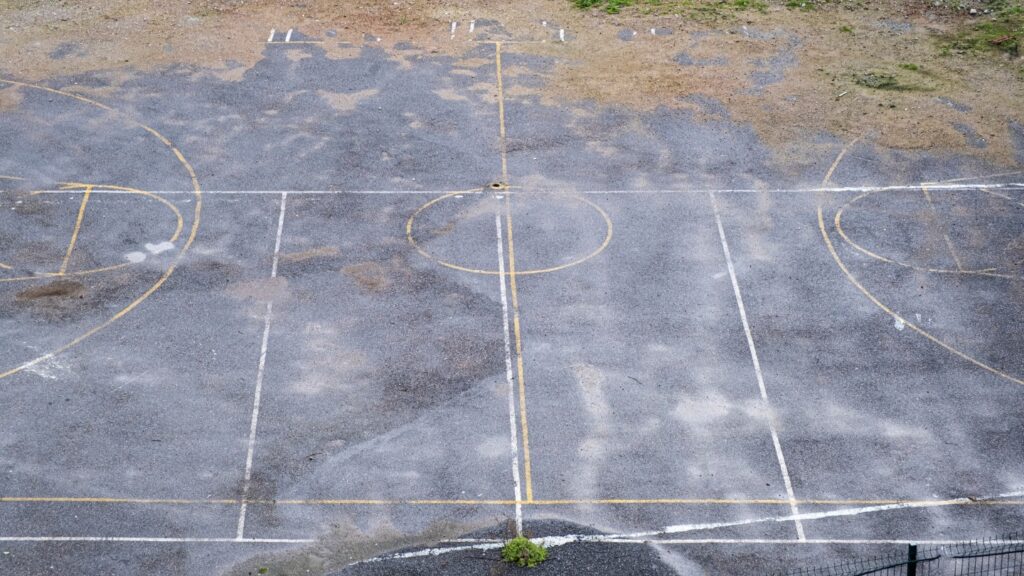
You might not think water affects your floor, but it does. When water dries on surfaces, especially if it’s hard water, it leaves behind a chalky residue. On a sports hall floor, this can start as faint white marks. Over time, these marks can become more noticeable, looking like a dull film or even crusty patches, particularly around edges, drains, or areas where water might pool briefly. It can make the floor look grubby, even after a good clean. It’s not just about looks, though. This stuff can actually make the surface slippery.
The Nitty-Gritty of Limescale on Sports Hall Surfaces
Right then, let’s get down to the nitty-gritty of what’s actually happening when limescale decides to set up shop on your sports hall floors. It’s not just a bit of a nuisance; it can actually cause some real problems if you let it go unchecked.
How Limescale Forms and Builds Up
So, how does this stuff actually appear? It all comes down to the minerals in our water, mainly calcium and magnesium. When water evaporates, these minerals get left behind. Think about your kettle at home – you know that crusty white stuff? Same principle, but on a much bigger scale across your sports hall floor. Over time, these deposits layer up, getting harder and harder to shift. It’s a slow process, but it’s definitely happening.
The Slippery Slope: Safety Concerns
This is where things get a bit more serious. That smooth, shiny surface you want for your sports hall? Limescale can mess with that. As it builds up, it can make the floor slippery. Imagine a basketball game or a badminton match where players are suddenly losing their footing. It’s not just about looking a bit grubby; it’s a genuine safety hazard. Falls can lead to injuries, and nobody wants that on their watch. Keeping your floors clean and free of limescale is a big part of keeping everyone safe.
Beyond Aesthetics: Damage to Flooring
It’s not just about the immediate safety risk, either. Limescale can actually start to damage your flooring over time. Those mineral deposits can get into the very fabric of the surface, especially if it’s a porous material. This can lead to:
- Discolouration: The floor might start looking dull or patchy.
- Surface degradation: The top layer can become weakened or pitted.
- Reduced grip: Even after cleaning, the surface might not perform as well as it should.
It’s a bit like leaving salt on metal – eventually, it’ll start to corrode. Your sports floor deserves better than that.
Letting limescale build up isn’t just about appearances; it’s a slow attack on the integrity and safety of your sports facility. It’s the kind of problem that creeps up on you, making small issues bigger over time.
Proactive Somerset Sports Hall Maintenance Strategies
Right then, let’s talk about keeping your Somerset sports hall looking tip-top and, more importantly, safe. We all know that hard water can be a bit of a nuisance, especially when it comes to limescale. But the good news is, with a bit of regular attention, you can keep it from becoming a major headache. It’s all about getting into a good routine.
Regular Cleaning Routines That Matter
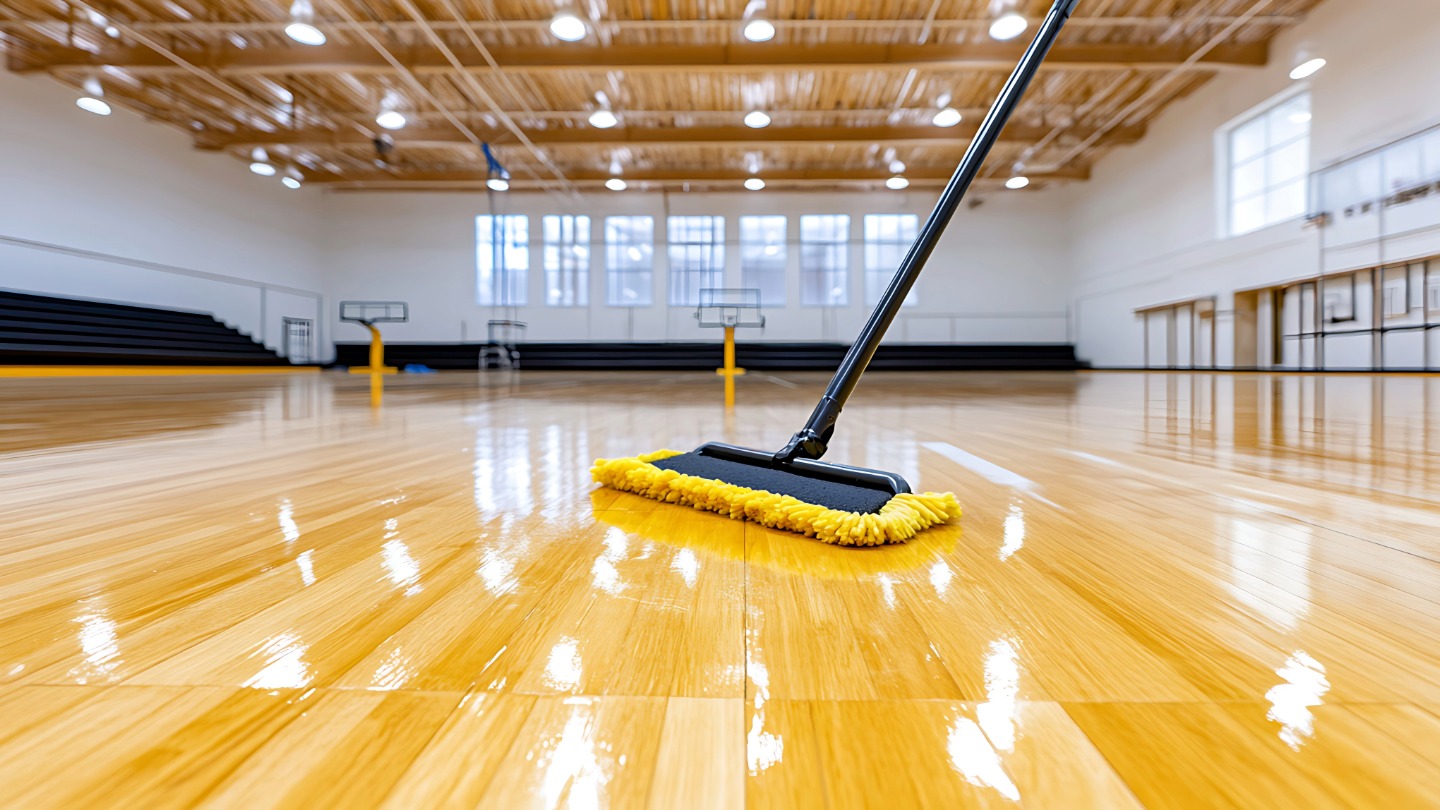
This is your first line of defence, really. Don’t let dirt and grime build up, as this gives limescale something to cling onto. A good sweep or vacuum at the end of each day is a must. Then, a proper mop down a few times a week makes a big difference. The key is consistency.
Here’s a quick rundown of what a good routine might look like:
- Daily: Quick sweep or vacuum of the main playing area. Wipe down any obvious spills.
- Every Other Day: A damp mop with a suitable cleaner for general upkeep.
- Weekly: A more thorough clean, paying attention to corners and edges where dust can gather.
- Monthly: Check for any early signs of limescale, especially around water sources or drains.
Choosing the Right Cleaning Products
This is where you need to be a bit savvy. Not all cleaners are created equal, and using the wrong stuff can actually make things worse or damage your floor. For general cleaning, a pH-neutral floor cleaner is usually your best bet. It’s tough on dirt but gentle on most flooring types. Avoid anything too acidic or abrasive, as this can strip away protective layers or scratch the surface.
When in doubt, always check the flooring manufacturer’s recommendations. They know their stuff and can point you towards the best products for your specific surface.
For those trickier spots, you might need something a bit more specialised, but always test it on an inconspicuous area first. And remember, good old-fashioned elbow grease often works wonders!
Water Softening Solutions for Your Facility
If you’re really struggling with hard water and limescale is a constant battle, you might want to consider a water softening system. These systems work by removing the minerals that cause hardness, like calcium and magnesium. It’s a bigger investment upfront, sure, but it can save you a lot of time, effort, and money in the long run.
There are a few types to look at:
- Salt-based softeners: These are the most common. They use ion exchange to swap hardness minerals for sodium ions. You’ll need to top up the salt regularly.
- Salt-free conditioners: These don’t actually remove the minerals but alter them so they’re less likely to form scale. They require less maintenance.
- Whole-house systems: These treat all the water coming into your facility.
Think about the size of your facility and how much water you use when deciding which type is best. It’s worth getting a few quotes and talking to specialists to find the right fit for your sports hall.
Tackling Existing Limescale Build-up
Right, so you’ve spotted that chalky white stuff creeping onto your sports hall floor. Annoying, isn’t it? Don’t panic, though. Dealing with existing limescale is totally doable, but you’ve got to be smart about it. It’s not just about making it look pretty again; it’s about keeping things safe and sound for everyone using the facility.
Gentle Removal Techniques
First things first, let’s try the gentle approach. You don’t want to go in with harsh abrasives straight away, as that could do more harm than good to your flooring. Think about what you’re trying to shift. Limescale is basically mineral deposits, so a bit of acid can help break it down. White vinegar is your best friend here. It’s cheap, readily available, and surprisingly effective.
Here’s a simple plan:
- Mix it up: Get a solution of equal parts white vinegar and warm water. Don’t go too strong to start with.
- Apply and soak: Dampen a cloth or mop with the solution and apply it to the affected areas. Let it sit for about 10-15 minutes. This gives the vinegar time to work its magic.
- Gentle scrubbing: Use a soft brush or a non-abrasive pad to gently scrub away the loosened limescale. Avoid anything that could scratch the floor.
- Rinse and dry: Wipe down the area with clean water to remove any vinegar residue, and then dry it thoroughly. You don’t want to leave water sitting around.
For tougher spots, you might need to repeat the process or try a slightly stronger vinegar solution. Just remember to test it on an inconspicuous area first.
When to Call in the Professionals
Sometimes, you’ll find limescale that’s really stubborn, maybe it’s built up over a long time or it’s in a tricky spot. If you’ve tried the vinegar trick a few times and it’s just not budging, or if you’re worried about damaging the floor, it might be time to get some help.
Professionals have access to stronger, specialised cleaning agents and equipment that can tackle heavy build-up without harming your specific flooring type. They also know the best way to deal with different materials, from wood to synthetic surfaces.
Don’t feel bad about calling them in. It’s often more cost-effective in the long run than trying to fix damage caused by using the wrong methods yourself. They can usually get the job done quicker and more effectively.
Preventing Future Accumulation
Once you’ve got the floor looking good again, the key is to stop it from happening again. This is where those regular cleaning routines and maybe even a water softener come into play. It’s all about staying on top of it. Think of it like this: a little bit of regular effort now saves you a whole lot of hassle later. Keep an eye on those taps and shower areas too, as water splashes can spread the problem. Wiping down surfaces after use, especially in changing rooms or near water sources, makes a big difference. It’s the small, consistent actions that really count in keeping your sports hall in tip-top shape.
Long-Term Benefits of Managing Hard Water
Right then, let’s chat about what happens when you actually get on top of this hard water business at your Somerset sports facility. It’s not just about making things look a bit nicer, though that’s a bonus. We’re talking about some proper, long-term gains that’ll make a real difference to your budget and how smoothly things run.
Extending the Lifespan of Your Floors
Think of your sports hall floor like a good pair of trainers. If you look after them, they last ages. If you just chuck them in a corner and forget about them, they fall apart pretty quickly. Limescale is like that annoying grit that gets into everything, wearing down the surface bit by bit. By keeping it at bay, you’re basically giving your floor a much longer, healthier life. Less replacing, more playing. It’s that simple.
Maintaining a Professional Appearance
Nobody wants to train or compete in a place that looks a bit grubby, do they? A clean, shiny sports hall just feels better. It gives off a good vibe, makes people feel welcome, and honestly, it just looks more professional. When you’re not battling constant limescale marks, your facility looks like it’s being cared for properly. This can make a big difference if you’re trying to attract clubs, host events, or just keep your regular users happy.
Reducing Maintenance Costs Over Time
This is where the real money-saving comes in. Constantly cleaning off stubborn limescale takes time and uses up cleaning supplies. Sometimes, you might even need special, more expensive cleaners. And if the limescale really takes hold, you could be looking at costly repairs or even a full floor replacement down the line. Sorting out the hard water issue means less intensive cleaning, fewer specialist products, and a lot less stress about major repair bills. It’s a smart investment that pays for itself.
Here’s a quick look at how managing hard water can help:
- Less wear and tear: Your floor surface stays smoother for longer.
- Fewer cleaning headaches: Cleaning becomes quicker and easier.
- Better equipment longevity: Any cleaning equipment you use won’t get clogged up with scale.
- Happier users: A well-maintained facility is a more inviting one.
Dealing with hard water isn’t just a chore; it’s about protecting your facility’s assets and making sure it runs efficiently for years to come. Think of it as preventative care for your sports hall.
Taking care of hard water issues can really make a difference in the long run. It means less hassle with limescale build-up on your taps and showerheads, and your appliances like kettles and washing machines will last much longer. Plus, your skin and hair will feel softer after a shower! Want to know more about how to tackle hard water? Visit our website for all the details.
So, What’s the Takeaway?
Right then, we’ve had a good look at how hard water can muck things up for sports floors here in Somerset. It’s not just about making things look a bit grim with limescale; it can actually cause damage over time. But the good news is, it’s not the end of the world. A bit of regular cleaning, maybe looking into water softeners if it’s really bad, and just keeping an eye on things can make a huge difference. Don’t let that chalky build-up win – a bit of effort now saves a lot of hassle (and money!) later. Keep those courts looking sharp!
Frequently Asked Questions
So, what’s this ‘hard water’ everyone’s talking about?
Basically, hard water is water that has a lot of minerals in it, mainly calcium and magnesium. Think of it like water that’s picked up bits and bobs from the rocks it’s flowed over. Somerset’s got a lot of these rocks, so the water here tends to be on the harder side.
Why is limescale such a pain for sports floors?
When hard water dries, those minerals it carries get left behind. This build-up is called limescale. On sports floors, it can make them look dull and chalky. Even worse, it can make the surface a bit slippery, which isn’t great for anyone running or jumping around!
How can I tell if my sports hall floor has limescale on it?
You’ll usually spot it as a white, chalky residue, especially around areas where water might splash or dry, like near changing rooms or after mopping. It can make the floor look a bit hazy or cloudy, and sometimes you might even feel a slight grittiness if you run your hand over it.
Is limescale really that bad for the floor itself?
Yeah, it can be. Over time, that limescale can start to damage the flooring material. It can scratch the surface, wear away protective coatings, and if it gets into seams, it can weaken them. It’s not just about looks; it’s about keeping the floor in good nick.
What’s the easiest way to get rid of existing limescale?
For light build-up, a good scrub with a cleaner designed for hard water or a mild acidic solution (like diluted vinegar, but test it first!) can work wonders. Just be gentle and don’t use anything too harsh that could damage the floor. For really stubborn bits, you might need a specialist cleaner.
Can I stop limescale from coming back once it’s gone?
Absolutely! Regular cleaning is key, making sure to dry floors properly after mopping. Using a water softener for your facility is the most effective long-term fix. It stops the minerals from getting into the water in the first place, meaning less limescale build-up and happier floors!