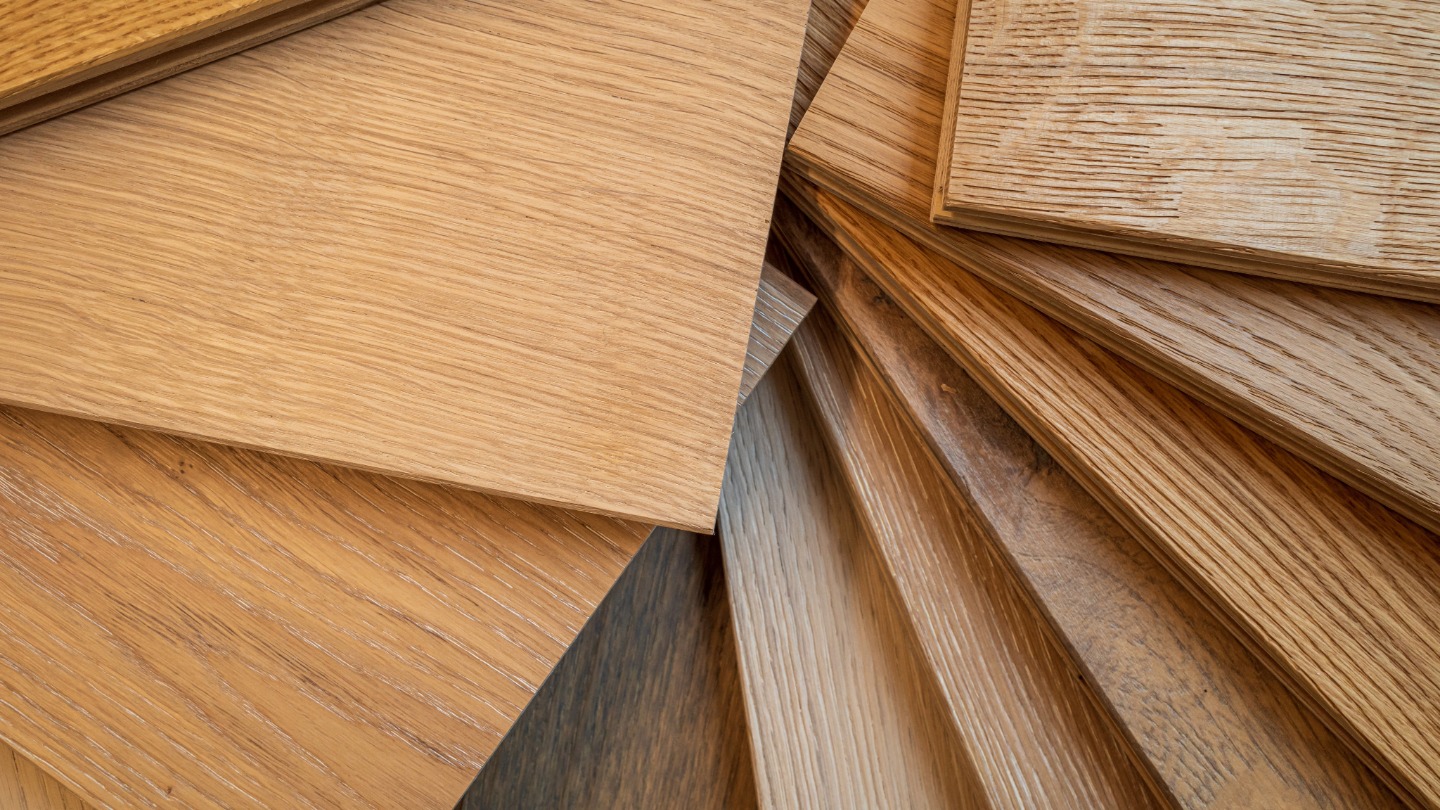
So, Bath and North East Somerset has some seriously old buildings, and a lot of them have these amazing wooden floors. We’re talking about history right under your feet! But these old timbers, especially in places like sports halls, need a bit of TLC to keep them looking good and working well. This article is going to chat about why looking after these old floors is important, what sort of problems they face, and how we go about fixing them up, with a special nod to heritage sports floor restoration Bath.
Key Takeaways
- Bath’s historic buildings are full of old timber, often in the form of beautiful floors.
- Looking after these old wooden floors is vital for keeping our heritage alive.
- Old timber can suffer from things like rot, insects, and general wear and tear over the years.
- Restoring these floors involves careful work, gentle cleaning, and the right repairs.
- If you’ve got a historic sports floor in Bath needing work, finding a skilled restorer is key.
Uncovering Bath’s Timber Treasures
Bath, with its stunning Georgian architecture, is practically built on beautiful old timber. It’s everywhere, really, from the grandest townhouses to the most charming little cottages. We often get asked about the wooden floors, and honestly, they’re a big part of what makes Bath so special. They’ve seen so much history, haven’t they?
The Allure of Historic Wooden Floors
There’s just something about a really old wooden floor. It’s got character, you know? You can see the marks of time, the little dents and scratches that tell a story. These floors aren’t just surfaces to walk on; they’re pieces of history under your feet. They add a warmth and a sense of permanence that you just don’t get with newer materials. Think about the generations who have walked across them, the parties, the quiet evenings – it’s all there, embedded in the wood.
Why Heritage Timber Matters in Bath
When we talk about heritage timber in Bath, we’re talking about more than just old wood. We’re talking about the very fabric of the city. This timber was often sourced locally, shaped by skilled craftspeople, and it’s a big part of the city’s visual identity. Letting it fall into disrepair is like letting a bit of Bath’s soul fade away. It’s about respecting the past and keeping that connection alive for the future. Plus, old timber is often of a quality that’s hard to find or afford these days.
Identifying Key Restoration Challenges
Restoring old timber isn’t always straightforward, though. You can run into all sorts of issues. We often find:
- Wear and tear: Years of use can leave floors looking dull and worn.
- Moisture damage: Leaks or damp can cause wood to warp or rot.
- Pests: Woodworm or other infestations can weaken the structure.
- Previous poor repairs: Sometimes, old fixes can cause more problems down the line.
It’s a bit like being a detective sometimes, figuring out what’s going on beneath the surface and how best to bring it back to its former glory without causing any further damage. The goal is always to preserve as much of the original material as possible.
The Art of Heritage Sports Floor Restoration Bath
Bringing Old Courts Back to Life
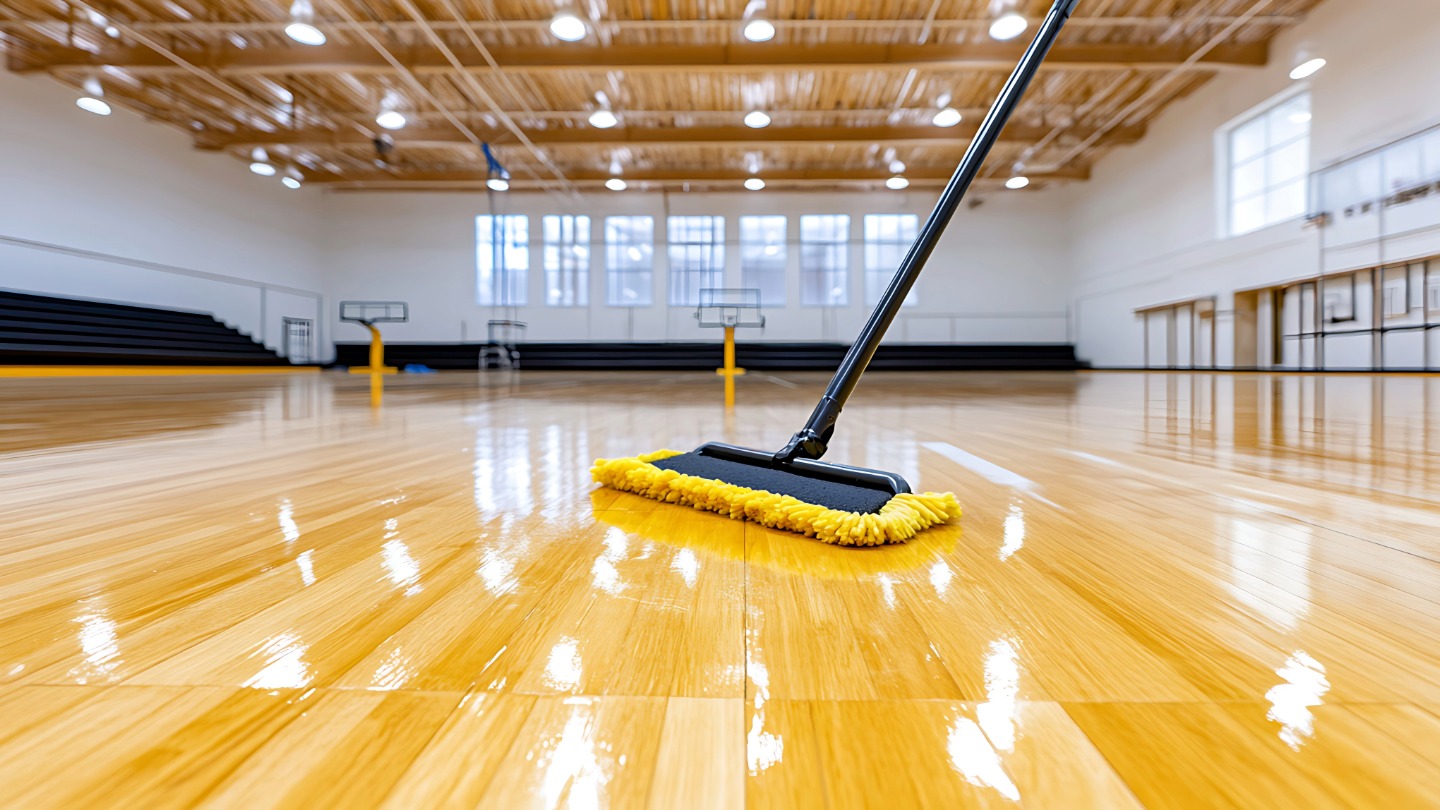
So, you’ve got a historic sports hall in Bath, maybe a grand old gymnasium or a community centre with a proper sprung floor? These places often have these amazing wooden floors that have seen decades of action – think netball matches, basketball games, maybe even old-school badminton tournaments. Over time, though, these floors can take a real beating. They get scuffed, worn down, and sometimes, the original finish just looks tired. That’s where heritage sports floor restoration comes in. It’s not just about making it look pretty again; it’s about bringing back that performance quality that these floors were built for.
Specialist Techniques for Sports Floors
Restoring a sports floor isn’t like just sanding down a living room floor. These are specialist jobs. You’ve got to think about the bounce, the grip, and how the wood will react. We often find that these old floors are made from really solid timber, built to last. The process usually involves a few key steps:
- Gentle Sanding: We don’t just go in with a heavy-duty sander and strip everything back. It’s more about carefully removing the old finish and any minor imperfections without damaging the wood itself. Sometimes, we use different grades of sandpaper depending on the floor’s condition.
- Repairing Damage: If there are any loose boards, cracks, or deeper gouges, we’ll fix them. This might involve carefully re-securing boards or even replacing small sections with matching timber if it’s really bad. The goal is to make it look like the damage was never there.
- Re-finishing: This is where the magic happens. We apply a new finish that protects the wood but also gives it that ideal surface for sports. We’re talking about a finish that allows for good grip but also lets players slide when they need to. It’s a real balancing act.
Ensuring Longevity and Performance
The right restoration means your sports floor will last for years to come, playing as well as it looks. It’s about respecting the history of the building while making sure it’s fit for purpose today. We pay close attention to the type of timber used and how it’s laid, as this all affects how we approach the restoration. For example, a sprung floor needs a different kind of care than a solid timber floor.
We always aim to use finishes that are durable and suitable for high-traffic sports environments. It’s no good having a floor that looks great for a month and then starts showing wear and tear again. We want it to stand up to the test of time and plenty of games.
It’s a bit like giving an old athlete a new lease of life – getting them back in the game, ready for whatever comes next.
Common Issues with Historic Timber
Right, let’s talk about what can go wrong with old timber floors and beams. It’s not all sunshine and polished wood, is it? Over the years, these beautiful old materials face a fair few battles. Understanding these common problems is the first step to fixing them properly.
Wear and Tear Over Time
This is the most obvious one. Think about how much foot traffic a floor has seen over decades, maybe even centuries! It’s bound to get scuffed, scratched, and worn down, especially in busy areas. It’s like your favourite old armchair – it gets comfy and loved, but also a bit saggy in places.
- Surface Abrasion: This is just the general dulling and scratching from everyday use. You’ll see it more in hallways or where furniture is moved.
- Dents and Gouges: Accidents happen! Dropped items or furniture being dragged can leave their mark.
- Loose Boards/Joists: With movement and stress, boards can loosen, leading to creaks and squeaks. Sometimes, the fix is simpler than you think.
Dealing with Rot and Infestation
This is where things can get a bit more serious. Damp is the enemy of timber, and if left unchecked, it can lead to rot. Then there are the tiny critters that love to munch their way through wood.
- Wood Rot: This usually happens in damp, poorly ventilated areas. You might see a spongy texture or even crumbling wood.
- Insect Infestation: Woodworm is the classic culprit, leaving tiny holes. Dry rot and wet rot are fungal issues that can spread quite rapidly if not caught.
It’s really important to get professional advice if you suspect rot or infestation. These issues can compromise the structural integrity of your timber, and you don’t want to be messing about with that.
Surface Damage and Discolouration
Beyond the physical damage, timber can also lose its good looks over time. Sunlight, spills, and old finishes can all take their toll.
- Stains: Spills, pet accidents, or even just old polish can leave unsightly marks.
- Discolouration: UV light from the sun can fade or darken timber unevenly. Old finishes can also yellow or become patchy.
- Cracking and Splitting: As timber dries out or expands and contracts with temperature changes, small cracks can appear, especially at the ends of boards or beams.
Our Approach to Timber Preservation
Careful Assessment and Planning
Right, so before we even think about touching a floorboard, we do a proper look-see. It’s all about understanding what we’re dealing with. We’ll check the type of wood, how it’s been laid, and what kind of life it’s had. Is it just a bit tired, or has something more serious happened, like rot or woodworm? We take loads of notes and pictures, so we know exactly what needs doing. This initial survey is probably the most important step. It means we can put together a plan that’s just right for your specific floor, avoiding any nasty surprises down the line.
Gentle Cleaning and Repair Methods
Once we’ve got the plan, we get to work. And when we say gentle, we mean it. We’re not about ripping things up and starting again unless it’s absolutely necessary. For cleaning, we use methods that lift the dirt without damaging the wood’s surface. Think careful scrubbing and specialised vacuuming, not high-pressure hoses! Repairs are done using traditional techniques and materials that match the original as closely as possible. If a board is beyond saving, we’ll find a replacement that’s a good match in age and type. It’s about respecting the history of the timber.
Finishing Touches for a Lasting Finish
After all the cleaning and repairs, it’s time for the finishing. This is where we bring the floor back to its former glory. We’ll apply a finish that protects the wood but also lets its natural beauty shine through. We’re pretty picky about the products we use – they need to be durable and look the part. It’s not just about making it look good now; it’s about making sure it stays looking good for years to come. We want you to be able to enjoy your restored timber for ages.
We believe in a hands-on approach, treating each project with the individual attention it deserves. It’s a bit like looking after an old friend; you need to know their quirks and treat them with respect. That’s how we get the best results for historic timber.
Choosing the Right Restoration Partner
Right then, so you’ve got this amazing old timber floor, maybe in a grand Bath townhouse or a historic sports hall, and it’s seen better days. You’re thinking about getting it sorted, which is brilliant. But who do you actually call? It’s not like popping down to the local DIY store for some sandpaper, is it? You need someone who really gets old wood.
Experience in Local Heritage Sites
Look, Bath and the surrounding areas are packed with history. We’re talking Georgian elegance, Victorian grit, and everything in between. These old buildings have their own quirks, their own stories. A good restoration team will have spent time working on similar places right here. They’ll know the local stone, the typical timber used, and the kind of issues that pop up in buildings around here. It’s not just about knowing how to sand; it’s about understanding the context.
- They’ve probably worked on buildings you know. Ask them about previous projects in Bath or North East Somerset. A bit of local knowledge goes a long way.
- Do they understand different timber types? Oak, pine, maple – they all behave differently.
- Have they dealt with listed buildings? This often means stricter rules and more careful methods.
Understanding Your Specific Needs
Every project is a bit different, isn’t it? That old sports court needs a different touch to a drawing-room floor. You need a team that listens. They should be asking you questions, not just telling you what they’re going to do. What’s your budget? What’s the intended use of the space? What look are you going for?
A proper assessment is key. It’s not just a quick glance. They should be looking at the subfloor, checking for damp, and really getting to grips with the condition of the timber before they even think about picking up a tool. This planning stage saves a lot of headaches later on.
Commitment to Quality Craftsmanship
This is where you can’t really cut corners. You want someone who takes pride in their work. It’s about the details. Are they using the right products? Are they taking their time? The cheapest quote isn’t always the best value in the long run. A shoddy job will just need redoing sooner, and that costs more.
Here’s what to look out for:
- Skilled Tradespeople: Are they qualified and experienced? Do they have a portfolio of work you can see?
- Quality Materials: Are they using appropriate finishes and repair materials that will last?
- Clear Communication: Do they explain the process clearly and keep you updated?
- Warranties/Guarantees: Do they stand by their work?
Finding the right people means your beautiful old timber will be treated with the respect it deserves, looking its best for years to come.
The Enduring Beauty of Restored Timber
A Glimpse into the Past
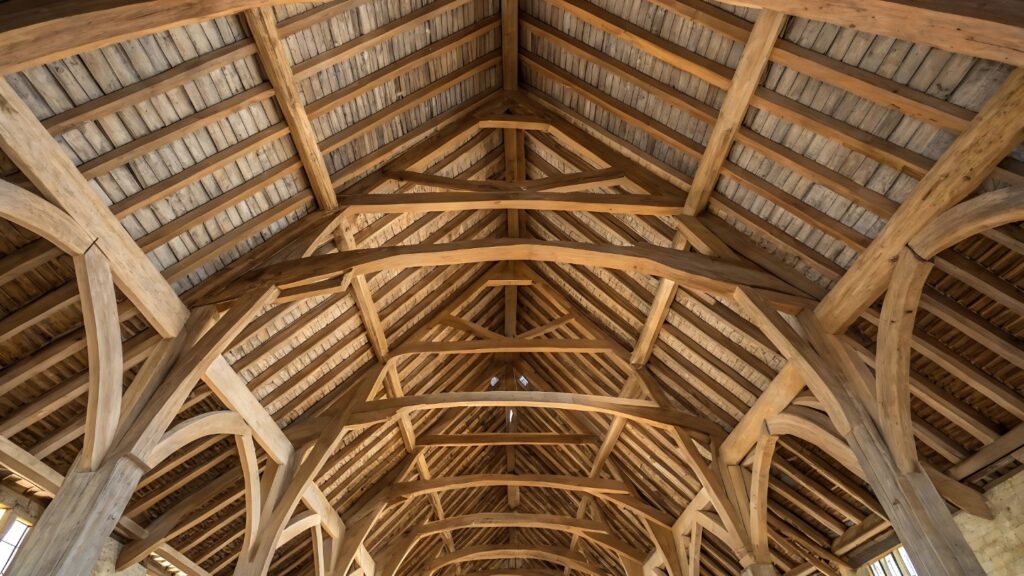
It’s quite something, isn’t it, when you walk into a room and the floor just feels right? That’s often down to the timber. Restoring old wooden floors isn’t just about making them look pretty again; it’s like opening a window to history. You can almost imagine the footsteps that have worn those boards smooth over the decades, the conversations that happened above them. These floors tell stories. They’ve seen generations come and go, and bringing them back to life means preserving a tangible piece of that heritage for everyone to appreciate.
Enhancing Your Building’s Character
When we work on heritage timber, especially in places like Bath, we’re not just fixing things. We’re bringing out the natural character that makes these buildings so special. Think about it – a beautifully restored wooden floor or beam adds a warmth and depth that modern materials just can’t replicate. It gives a building a soul, a sense of place. It’s about respecting the original craftsmanship and making sure that character shines through, making your space feel unique and full of history.
Sustainable Heritage Solutions
Choosing to restore rather than replace is a really smart move, both for the building and for the planet. It’s a genuinely sustainable approach. Instead of ripping out old timber and sending it to landfill, we give it a new lease of life. This means less waste, less energy used in manufacturing new materials, and a smaller carbon footprint. It’s about being clever with what we already have, preserving the past while looking after the future. It’s a win-win, really.
Here’s a quick look at why restoration makes sense:
- Preserves History: Keeps original materials and the stories they hold.
- Eco-Friendly: Reduces waste and the need for new resources.
- Adds Value: Enhances the aesthetic appeal and character of a property.
- Cost-Effective: Often cheaper than a full replacement, especially for unique timbers.
Sometimes, the best solution is the one that respects what’s already there. It’s about careful work and a bit of patience to bring out the best in old materials.
Old wooden floors have a special charm, don’t they? When they’re brought back to life, they look amazing. We can help make your old timber surfaces shine again. Visit our website to see how we can restore the beauty of your wooden floors.
So, what’s the takeaway?
Right then, looking after these old buildings, especially their wooden bits, is a proper job. It’s not just about making them look nice again, is it? It’s about keeping a bit of history alive for everyone. We’ve seen how much work goes into it, from figuring out what’s wrong to carefully fixing it up. It’s a slow process, but seeing these historic halls in Bath and North East Somerset standing proud, with their timber sound, makes it all worthwhile. It’s a reminder that looking after our heritage is something we can all get behind.
Frequently Asked Questions
Why should I bother fixing up old wooden floors in Bath?
Think of those old wooden floors as a bit of history! They’ve seen loads of life and add a special charm to buildings that new floors just can’t match. Restoring them keeps that unique character alive and makes your place look even more amazing.
What kind of problems do old wooden floors usually have?
Over many years, floors can get worn down from lots of walking, maybe some dampness causing rot, or even little critters deciding to move in! Sometimes they just get scratched up or look a bit dull. We see all sorts of things when we check them out.
How do you fix up old sports courts made of wood?
It’s like giving them a new lease of life! We carefully clean them, fix any damage, and sometimes even re-sand them to bring back that smooth, shiny surface. The goal is to make them safe and fun to play on again, just like they used to be.
What’s the best way to clean and repair old wood without ruining it?
We’re super gentle! It’s all about using the right methods that don’t harm the wood. This might mean careful cleaning, patching up small bits, or using special glues. We treat each piece of wood with the respect it deserves.
How do I know if a company is good at restoring old wood in Bath?
Look for a team that knows Bath’s buildings well and has done this kind of work before. They should listen to what you want and be really good at what they do. Asking for examples of their past projects is a smart move!
Is restoring old wood good for the environment?
Definitely! Instead of throwing old wood away and using new materials, we’re recycling and keeping what’s already there. It’s a much greener way to keep our historic buildings looking great for years to come.