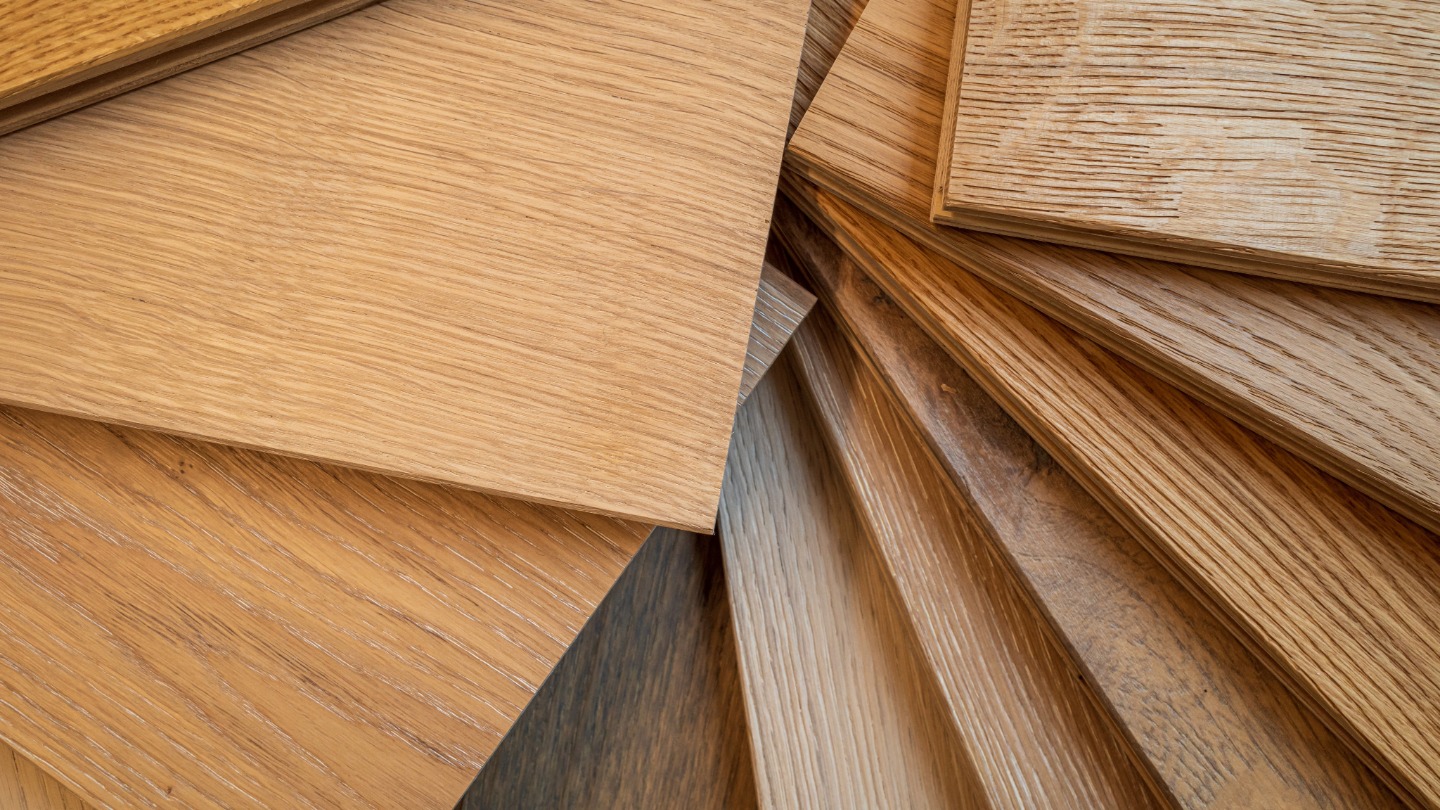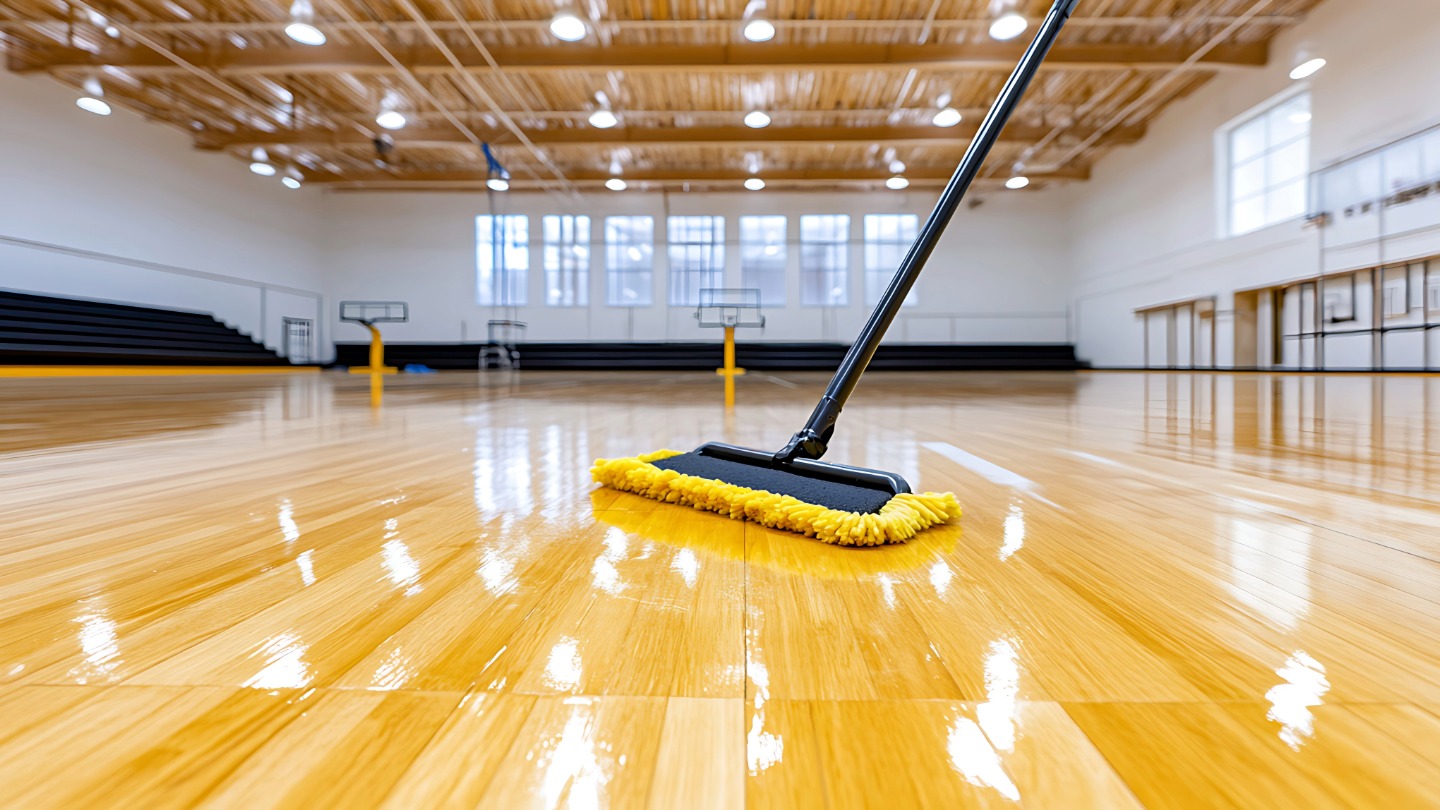
So, you’re looking to build or refurbish a basketball court in the UK and wondering about the best wood to use? It’s a big decision, right? The type of timber you pick makes a real difference to how the court plays and how long it lasts. We’re going to break down three popular choices: maple, ash, and beech. Think of it as a timber sports flooring comparison to help you get it right.
Key Takeaways
- Maple is often the go-to for its great bounce and hard-wearing surface, making it a solid choice for busy courts.
- Ash offers good toughness and a nice look, sometimes at a better price point than maple, making it worth a look.
- Beech is a strong wood that can handle a lot of action, though it might not be as common for courts as the other two.
- When comparing timber sports flooring, think about how the wood will handle the constant impact of players and the ball.
- Your budget and how long you want the court to last are major factors in deciding which timber is the best fit for your needs.
Understanding The Core Qualities Of Court Timber
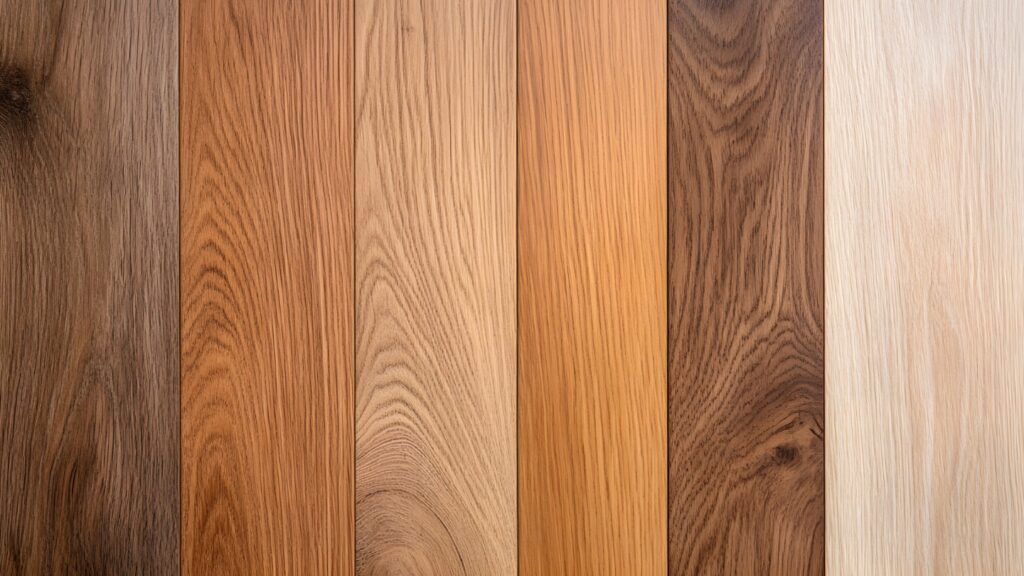
Right then, before we get stuck into the nitty-gritty of maple, ash, and beech, let’s have a quick chat about what actually makes a good timber for a basketball court. It’s not just about picking a pretty wood, you know. There are some key things to think about that make a massive difference to how the court plays and how long it lasts.
Durability And Resilience For Intense Play
Basketball is a tough sport. Players are running, jumping, stopping suddenly, and sometimes, well, things get a bit rough. The floor needs to be able to handle all that without getting bashed up too easily. We’re talking about wood that can take a beating, day in and day out, from countless games and practices. A court that dents or scratches easily is going to look rubbish and could even become a safety hazard. You want something that’s tough, something that can bounce back (pun intended!) from all the action.
The Bounce Factor: How Timber Affects Ball Play
This is a big one. The type of wood you choose directly impacts how the ball behaves. A good court timber needs to have a certain elasticity. This means it can absorb some of the impact from a bouncing ball and then give it back, sending it up predictably. If the wood is too soft or too dead, the ball won’t bounce right, and that messes with the game. Too hard, and it might feel jarring. Getting the right balance is key for players to feel confident with their dribbling and shooting.
Grain Structure And Its Impact On Performance
Ever looked closely at wood? You’ll see all those lines, the grain. This isn’t just for looks; it really matters for court performance. A tight, consistent grain is generally what you’re after. It means the wood is strong and less likely to splinter or wear down unevenly. It also affects how the wood takes finishes and how it looks over time. Some grains can make the surface a bit more slippery, especially when polished, which is something to consider.
Think of the grain like the internal structure of the wood. A well-organised, dense grain means the timber is strong and stable. It’s less likely to warp or crack, and it can handle the constant stress of a busy sports hall. It’s the hidden strength that makes a good court great.
Here’s a quick rundown of what we’re looking for:
- Hardness: Can it resist dents and scratches?
- Elasticity: Does it give a good, consistent ball bounce?
- Stability: Does it stay flat and not warp with changes in humidity?
- Grain: Is it tight and consistent for strength and wear?
Getting these qualities right is the first step to choosing the perfect timber for your court.
Maple: The Traditional Champion Of Court Flooring
When you think of a proper basketball court, chances are you’re picturing maple. It’s the go-to timber for a reason, and has been for ages. It’s not just about looks, though it does look pretty slick. There’s a whole lot more going on under the surface that makes it such a solid choice for courts where the action gets intense.
Why Maple Reigns Supreme In Many Courts
So, what’s the big deal with maple? Well, it’s incredibly hard and dense. This means it can take a serious beating, day in and day out, from players running, jumping, and sliding. It doesn’t dent or scratch as easily as softer woods, which is a massive plus for a sports floor that sees constant action. Plus, its consistent grain pattern means it wears evenly, so you don’t get weird worn patches appearing too quickly. This consistent wear is a big part of why it lasts so long.
Maple’s Aesthetic Appeal And Court Finish
Beyond its toughness, maple just looks the part. It’s got this lovely, light, creamy colour that gives courts a really clean and bright appearance. When you finish it up, it takes stains and sealants really well, allowing for those sharp court lines and logos that make a court look professional. It’s a blank canvas, really, that lets the game itself stand out.
Maintenance And Longevity Of Maple Flooring
Keeping a maple court in tip-top shape isn’t usually a massive headache. Regular sweeping and occasional damp mopping are generally all that’s needed to keep the dust and grime at bay. Spills should be wiped up promptly, of course. The real key to its longevity, though, is the quality of the installation and the finish. A well-maintained maple floor can easily last for decades, which is pretty impressive when you think about the pounding it takes.
- Durability: Stands up well to heavy foot traffic and impacts.
- Appearance: Offers a clean, bright look that’s ideal for sports.
- Consistency: Even grain means predictable performance and wear.
Maple’s reputation isn’t just hype; it’s built on years of proven performance in demanding environments. It’s the reliable workhorse of the timber sports flooring world.
Ash: A Strong Contender For Your Basketball Court
Right then, let’s talk about Ash. While Maple often gets all the glory, Ash is a seriously tough contender when it comes to basketball courts, especially here in the UK. It’s got a bit of a reputation for being a workhorse, and for good reason. If you’re looking for a floor that can take a beating and keep on performing, Ash is definitely worth a closer look.
Ash’s Unique Properties For Sports Surfaces
Ash wood is known for its strength and shock absorption. Think of it like a good quality running shoe – it can handle impact without breaking a sweat. This makes it a natural fit for a sport like basketball where players are constantly jumping, running, and landing. It’s got a good amount of stiffness, which helps with that all-important ball bounce, but it’s also got enough give to be kinder on the athletes’ joints. Plus, its grain pattern is often quite striking, giving courts a nice, natural look.
Comparing Ash’s Durability To Maple
So, how does Ash stack up against the usual favourite, Maple? Well, both are pretty darn durable, but they have slightly different strengths. Maple is often a bit harder, which can mean it resists surface dents from dropped equipment a little better. Ash, on the other hand, can sometimes be a bit more forgiving when it comes to impact, meaning it might be less prone to splintering or cracking under extreme stress. It’s a bit of a trade-off, really.
Here’s a quick rundown:
| Feature | Ash | Maple |
|---|---|---|
| Durability | Excellent, great shock absorption | Excellent, very hard surface |
| Bounce | Very good, consistent | Excellent, often considered the best |
| Appearance | Distinct grain, can be lighter/darker | Fine grain, uniform, classic look |
| Hardness | Hard, but slightly less than Maple | Very hard |
Cost-Effectiveness Of Ash Timber Flooring
This is where Ash can really shine. Often, Ash timber comes in at a more budget-friendly price point than Maple. This doesn’t mean you’re sacrificing quality, though. You’re still getting a top-notch sports floor that will last for years, but you might be able to save a bit on the initial outlay. This can be a big deal for schools, community centres, or clubs working with tighter budgets. It makes a high-quality court more accessible.
When you’re choosing timber for a sports court, it’s not just about how it looks or how hard it is. You’ve got to think about how it’s going to perform day in, day out, under serious pressure. Ash offers a really solid balance of performance, durability, and cost that makes it a smart choice for many UK basketball venues.
Beech: An Often-Overlooked Yet Capable Option
Exploring The Characteristics Of Beech Wood
Right, so we’ve chatted about maple and ash, but what about beech? It’s not always the first wood that springs to mind for a basketball court, but honestly, it’s got some serious game. Beech is a hardwood, which is a good start, right? It’s known for being pretty tough and dense. Think of it like a solid, reliable player who might not be the flashiest but always gets the job done. It’s got a fine, even grain, which means it tends to be quite smooth underfoot. This is a big plus for players who need a consistent surface to pivot and move on without any nasty surprises.
Beech’s Suitability For High-Impact Sports
So, can beech handle the rough and tumble of a basketball game? Absolutely. Its density means it can take a beating, which is exactly what you need on a court where players are running, jumping, and sliding. While it might not have quite the same shock absorption as some other timbers, it’s still a very capable performer. It’s also pretty good at resisting dents and scratches, which is a bonus when you consider how much wear and tear a court gets. You’ll find it holds up well over time, provided it’s looked after properly, of course.
Here’s a quick look at how it stacks up against the others in terms of hardness:
| Timber | Janka Hardness (lbf) |
|---|---|
| Maple (Hard) | ~1450 |
| Ash | ~1320 |
| Beech | ~1300 |
As you can see, it’s right there with ash, and not far off maple. It’s a solid choice for a high-performance surface.
Aesthetic Considerations With Beech Flooring
When it comes to looks, beech is a bit more subtle than maple. It’s got a lovely pale, creamy colour, sometimes with a bit of a pinkish or yellowish hue. The grain is usually straight and fine, giving it a clean, uniform appearance. It doesn’t have the dramatic figuring you might see in some other woods, but that can be a good thing if you’re after a more understated, classic look for your court. It takes finishes really well, so you can get a nice smooth, consistent sheen that looks professional and inviting. It’s a wood that doesn’t shout for attention, but it certainly looks the part.
One thing to remember with beech is its tendency to absorb moisture. While this isn’t a huge issue for a well-maintained indoor court, it’s something to be aware of. Proper sealing and climate control are key to keeping it in top condition and preventing any warping or issues down the line.
Making The Final Decision: A Timber Sports Flooring Comparison
Right then, we’ve looked at maple, ash, and beech, and now it’s time to pull it all together. Choosing the right wood for your basketball court isn’t just about looks, though that’s part of it. It’s about how the game plays, how long it lasts, and, let’s be honest, what your wallet can handle.
Weighing Up The Pros And Cons For Your Court
Each timber has its own story. Maple’s the classic choice, known for its consistent bounce and that clean, bright look. It’s tough, too, but it can be pricey. Ash comes in as a strong second. It’s got a bit more give, which some players like, and it’s generally a bit kinder on the budget than maple. Beech is the dark horse. It’s really hard-wearing, maybe even tougher than maple in some ways, but its colour is darker, and the bounce might feel a little different. Ultimately, the best timber for your court depends on what you value most.
Here’s a quick rundown:
- Maple: Great bounce, classic look, very durable. Can be expensive.
- Ash: Good durability, slightly more forgiving feel, often better value.
- Beech: Very hard, can be a bit less forgiving, darker aesthetic, usually cost-effective.
Budgetary Factors In Timber Selection
Money talks, doesn’t it? The price difference between these woods can be significant. Maple is usually at the top end. Ash often sits in the middle, offering a good balance. Beech can sometimes be the most affordable, especially if you’re looking at certain grades or suppliers. It’s worth getting a few quotes for each, factoring in installation costs too, as that can vary.
Long-Term Value And Performance Considerations
Think about the future. How long do you want this court to last? How much wear and tear will it get? A higher initial cost for a super-durable wood like maple or beech might actually save you money in the long run if it means fewer repairs or replacements down the line. The performance aspect is key too – how will the chosen wood affect the speed of the game, player comfort, and injury risk? It’s a bit of a balancing act.
When you’re making the final call, don’t just go for the cheapest option or the one that looks the prettiest. Think about the actual game being played on it. A court that plays well and lasts for years is worth more than a cheap one that needs constant attention.
Choosing the right floor for your sports hall is a big decision. We’ve put together a guide to help you compare different options, making sure you get the best surface for your needs. Ready to make the final call? Visit our website today to explore your choices and get expert advice.
So, Which Wood Wins?
Right then, after all that chat about maple, ash, and beech, you’re probably wondering which one is the top dog for a UK basketball court. Honestly, there’s no single ‘best’ answer, as it really boils down to what you’re after. Maple’s the classic choice, giving you that smooth, reliable surface that players know and love. Ash offers a bit more give, which might be kinder on the knees over long games. Beech, well, it’s a solid, dependable option that won’t break the bank. Think about your budget, how much wear and tear you expect, and what kind of feel you want underfoot. Chatting with a good timber supplier or court builder is probably your best bet to make the final call. They’ll know the ins and outs of each wood and can guide you to the right choice for your specific court.
Frequently Asked Questions
Which wood is the best for a basketball court?
Honestly, maple is usually the top pick for pro courts because it’s super tough and gives a great bounce. But ash and beech can also be brilliant choices, especially if you’re watching your budget or want a slightly different feel.
How does the wood affect the ball’s bounce?
Think of it like this: the way the wood is put together, its grain, and how hard it is all change how the ball bounces. Harder woods with a tight grain, like maple, tend to give a more consistent and lively bounce, which is key for fast games.
Is maple really that much better than ash or beech?
Maple’s got a reputation for a reason – it’s incredibly hard-wearing and looks fantastic. Ash is also really strong and can handle a lot of action, while beech is a bit softer but still a solid option. It really depends on what you need most.
Can ash wood be used for sports floors?
Absolutely! Ash is a really strong wood that can take a beating, making it a great choice for sports floors. It’s known for being tough and can handle all the running, jumping, and ball bouncing that happens on a court.
Is beech wood a good idea for a basketball court?
Beech is definitely worth considering! While it might not be as famously used as maple, it’s a really solid and good-looking wood. It’s strong enough for most sports, and can offer a slightly different look to your court.
What’s the most important thing to think about when picking wood?
You’ll want to think about how tough the wood is, how well the ball bounces off it, how it looks, and, of course, how much it costs. Playing on it a lot means you need something that lasts, and you’ll want it to look good too!