
So, you’re thinking about adding a gym extension or maybe even a whole new floor for your sports facilities? That’s brilliant! But before you get too carried away with the exciting bits like new equipment and flooring, there’s a bit of paperwork and planning to sort out, especially if your project bumps up against your neighbours’ property. We’re talking about the Party Wall Act, and it can feel a bit daunting. This guide is here to break it down simply, particularly when it comes to a Party Wall Act sports hall extension, so you know what you’re getting into and can keep things smooth with your neighbours. Let’s get this sorted.
Key Takeaways
- The Party Wall Act is a law that protects neighbours when building work affects a shared wall or boundary. You’ll need to follow its rules if your gym extension or new floor impacts a party wall or runs close to your neighbour’s building.
- Giving your neighbours proper notice is a big part of the Act. This means sending them a formal ‘Party Wall Notice’ with details about your plans well in advance. Missing this step can cause problems later.
- Building a new floor or a large gym extension can put extra weight and vibrations on shared structures. You need to think about how this affects your neighbour’s property and make sure the new structure is sound.
- You might need to hire a Party Wall Surveyor, especially if your project is complex or your neighbours don’t agree. They act as a neutral go-between to sort out the details and create an agreement.
- For a Party Wall Act sports hall extension, pay extra attention to noise and vibrations. Planning for these from the start helps avoid disputes and keeps your neighbours happy, while also making sure your new facility is built to last.
Understanding The Party Wall Act For Your Gym Extension
Right then, let’s get stuck into the nitty-gritty of the Party Wall Act, especially when you’re thinking about expanding your gym or putting in a new floor structure. It sounds a bit daunting, doesn’t it? But honestly, it’s mostly about being a good neighbour and following a few rules.
What Is The Party Wall Act?
Basically, the Party Wall Act 1996 is a piece of legislation designed to prevent disputes between neighbours when building work affects a shared wall, boundary, or structure. Think of it as a way to make sure everyone’s on the same page before any digging or knocking down starts. It’s all about clear communication and setting expectations. It covers work on what’s called a ‘party wall’ (the wall between two properties), boundary walls, and even excavations near a neighbour’s building.
When Does It Apply To Gyms?
So, how does this affect your gym plans? Well, if your extension involves building right up to, on, or straddling the boundary line with your neighbour, or if your work might affect a wall you both share, the Act probably kicks in. This is especially true if you’re planning a new floor sub-structure, as this can involve significant digging and potentially impact the foundations or structure of adjoining properties. Even if it’s just a small extension, if it’s close to the boundary, you’ll need to check. It’s not just for massive building projects; even smaller jobs can trigger the Act.
Key Timelines To Be Aware Of
Time is a bit of a factor here. You can’t just spring this on your neighbours the day before you start. The Act sets out specific notice periods. For example:
- Notice of Adjacent Excavation: You need to give at least one month’s notice.
- Notice for Works on a Party Wall: This requires two months’ notice.
These timelines are important because if you don’t give enough notice, your neighbour could potentially stop your work, which would be a massive headache. It’s always better to get the paperwork sorted well in advance. You’ll want to get your surveyor (more on that later) involved early to make sure these dates are met.
Remember, the goal of the Act isn’t to stop you from building, but to make sure you do it without causing unnecessary problems for your neighbours and to have a clear record of the condition of their property beforehand. It’s a framework for responsible building.
Notifying Your Neighbours About Your Sports Hall Extension
Right, so you’re planning a gym extension or maybe a new floor sub-structure, and you’ve realised you need to tell your neighbours. This is where the Party Wall Act 1996 comes into play, and honestly, it’s not as scary as it sounds. It’s all about being a good neighbour and making sure any building work that might affect them is done properly and with their knowledge.
Serving Party Wall Notices
This is the official bit where you let your neighbours know what you’re planning. You can’t just knock on their door and say “Hi, I’m building a new gym!”. You need to serve them a formal notice. The type of notice depends on the work you’re doing. For most gym extensions that are close to the boundary or involve work on a party wall, you’ll likely be serving a ‘Notice of Adjacentအတ Work’ or a ‘Party Structure Notice’. The key is to give them enough time to respond before you start any work.
What Information To Include
When you’re writing up these notices, don’t skimp on the details. Your neighbours need to know exactly what’s happening. Here’s a checklist of what should be in there:
- Your Name and Address: Obvious, but important!
- Your Neighbour’s Name and Address: Make sure you get this right.
- A Clear Description of the Proposed Works: Be specific. Are you building an extension? Digging foundations? Working on the wall between your properties? Mention dimensions and proximity to the boundary.
- When You Plan to Start: Give them a date, but remember you need to allow for their response time.
- A Statement that You are Acting Under the Party Wall etc. Act 1996: This tells them you’re following the rules.
- Plans or Drawings: It’s a good idea to attach copies of any relevant architectural drawings so they can see exactly what you’re planning.
Dealing With Neighbour Responses
Once you’ve served the notice, your neighbours have a few options. They can:
- Consent: They agree to the work. Great! You can proceed after the notice period has passed.
- Dissent: They don’t agree. This is common, and it’s not the end of the world. It just means you’ll need to appoint a Party Wall Surveyor.
- Not Respond: If they don’t reply within the specified time (usually 14 days for adjacent work, 2 months for party structures), they are considered to have dissented. Again, this means you’ll need a surveyor.
It’s always best to try and have a chat with your neighbours beforehand, if possible. A friendly conversation can often clear up misunderstandings and make the formal process a bit smoother. Sometimes, just explaining why you need the extension and how you’ll minimise disruption can go a long way.
Remember, the Act is designed to prevent disputes, not cause them. Being open and communicative from the start is your best bet for a smooth process. It’s all about respecting their property and their peace and quiet as much as possible during the build.
Structural Considerations For Gym Floor Sub-Structures
Right then, let’s talk about the nitty-gritty of building that new gym floor, especially when it’s going to sit on a sub-structure. This isn’t just about laying down some mats; it’s about making sure the whole thing is solid, safe, and doesn’t cause headaches for your neighbours. Because let’s face it, nobody wants a cracked wall or a shaky floor next door.
Impact on Adjacent Properties
When you’re digging down or building up for your gym’s sub-floor, you’re messing with the ground and potentially the foundations of buildings next door. Even a small extension can put extra pressure on shared walls or the soil around them. Think about it: you’re adding weight, maybe changing drainage, and definitely digging. It’s super important to get a structural engineer to check out what’s there before you even think about breaking ground. They’ll look at the existing foundations, the soil type, and how your new structure will sit without disturbing anything. This is where those party wall surveyors really earn their keep, as they’ll be documenting the condition of your neighbour’s property before any work starts. This way, if anything does go wrong, there’s a clear record.
Load Bearing Requirements
Gyms are heavy places. We’re not just talking about people walking around; we’re talking about serious kit. Treadmills, weight racks, squat racks, maybe even a swimming pool if you’re going really big! All that gear, plus the people using it, puts a significant load on the floor. The sub-structure needs to be designed to handle this repeated and dynamic loading. It’s not just about static weight; it’s about the impact of weights being dropped, people jumping, and the general hustle and bustle. Your structural engineer will calculate these loads and specify the right materials and design for the sub-floor joists, beams, and supports. This might involve:
- Using stronger, thicker timber or steel beams.
- Increasing the density and thickness of concrete slabs.
- Adding extra support columns or bracing.
- Specifying specific types of vibration-dampening materials.
Potential for Vibration Issues
This is a big one for gyms, especially those with cardio equipment or areas where weights might be dropped. Vibrations can travel through the ground and building structure, causing annoyance and even damage to neighbouring properties. Think about a treadmill running for an hour – that’s a constant hum. Now add a few people dropping dumbbells. It can get pretty loud and shaky next door! The sub-structure design needs to account for this. Often, this involves:
- Using isolation pads or mounts under heavy machinery.
- Building a ‘floating floor’ system where the gym floor is separated from the main building structure.
- Incorporating acoustic insulation within the sub-structure itself.
It’s not just about making sure your gym floor doesn’t collapse; it’s about being a good neighbour. Thinking about noise and vibration from the get-go saves a lot of hassle and potential disputes down the line. A well-designed sub-structure minimises these issues, keeping everyone happy and your gym operational without complaints.
Here’s a quick look at what might be considered:
| Feature | Standard Floor | Gym Sub-Structure Consideration |
|---|---|---|
| Load Capacity (kg/m²) | 150-250 | 500+ (depending on use) |
| Vibration Dampening | Basic | High priority, specific materials |
| Impact Resistance | Moderate | High, especially for weight areas |
| Acoustic Insulation | Standard | Enhanced, often integrated |
Appointing A Party Wall Surveyor
Right, so you’ve got your gym extension plans sorted, and you’ve realised you need to tell your neighbours. Now, what happens if they don’t agree, or if the work is a bit more involved? This is where a party wall surveyor comes in. They’re basically the neutral referee in all this.
When Is A Surveyor Necessary?
Honestly, it’s not always a given that you’ll need one. If your neighbour agrees to the works straight away after you serve the notice, and there are no tricky bits involved, you might be able to skip this step. But, if:
- Your neighbour serves a ‘dissent’ notice, meaning they don’t agree with the proposed works.
- The works are quite substantial, like digging deep foundations or building right up to the boundary.
- You’re worried about potential damage to the adjoining property, or your neighbour is.
- You’re building something that will affect a shared wall or structure.
Then it’s probably a good idea to get a surveyor involved. It can save a lot of hassle down the line.
Choosing The Right Professional
Finding a good surveyor is key. You want someone who knows their stuff about the Party Wall Act, but also understands building work, especially for something like a gym extension where there might be specific structural or noise considerations. Look for:
- Chartered Surveyors: These are qualified professionals. Check if they’re members of the Royal Institution of Chartered Surveyors (RICS).
- Specialists in Party Wall Matters: Some surveyors focus specifically on this. They’ll have seen it all before.
- Local Knowledge: Someone who knows the area might be helpful, especially if they’ve worked on similar projects nearby.
- Recommendations: Ask around, or see if your architect or builder has anyone they’d suggest.
It’s worth getting a couple of quotes and having a chat with them to see who you feel most comfortable with. Remember, they’ll be acting impartially, but you’ll be paying their fees.
Surveyor’s Role In The Process
So, what exactly does a surveyor do? Their main job is to make sure the works are carried out according to the Act, protecting both your interests and your neighbour’s. This usually involves:
- Site Visits: They’ll inspect the adjoining property before work starts to record its condition. This is super important for later.
- Drafting the Party Wall Award: This is the legal document that sets out how the works will proceed, what precautions need to be taken, and who pays for what. It’s basically the rulebook for the project.
- Overseeing the Works: They’ll check in during the construction to make sure everything is being done as agreed in the Award and that no damage is occurring.
- Resolving Issues: If any problems pop up during the build, they’ll be the ones to sort them out.
Think of the surveyor as the person who makes sure the whole process runs smoothly and fairly. They’re there to prevent disputes and ensure that if any damage does happen, it’s properly dealt with and compensated for. It’s an investment in peace of mind, really.
Resolving Disputes Under The Act
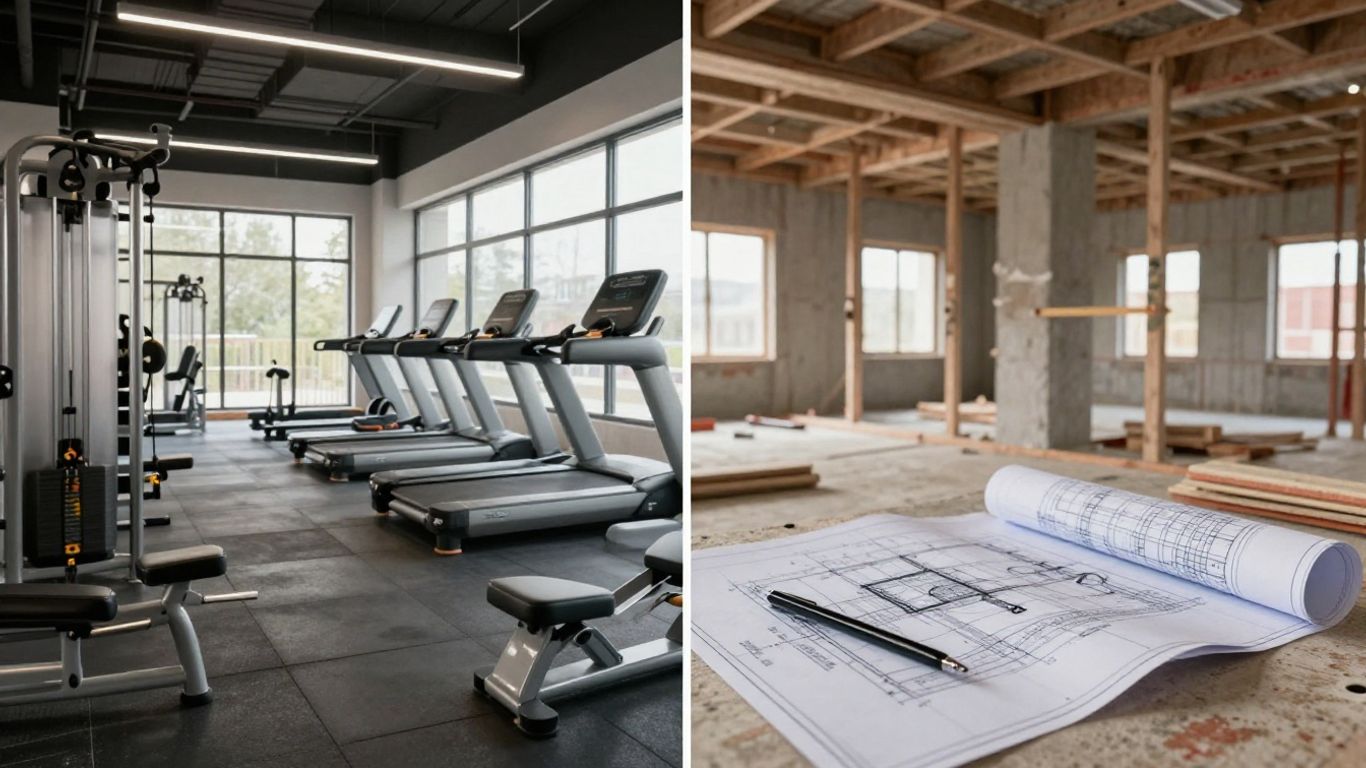
Right, so what happens if you and your neighbour just can’t see eye-to-eye about the gym extension? It’s not the end of the world, honestly. The Party Wall Act has a whole process for sorting these things out.
Common Points Of Disagreement
Most of the time, disagreements pop up because people are worried about the work itself. It could be:
- Access: Your neighbour might be a bit twitchy about you needing to pop onto their land to do the work, or maybe they’re worried about you blocking their access.
- Damage: They might think the building work is going to cause cracks or other damage to their place, and they want to make sure it’s fixed.
- Noise and Disruption: Let’s be real, building work is noisy. Neighbours might complain about the racket, especially if it’s going on for ages or happening at unsociable hours.
- The Schedule: Sometimes, it’s just about the timeline. Maybe they think the work is taking too long, or they’re unhappy with when certain noisy bits are happening.
The Surveyor’s Award Explained
If you can’t sort things out yourselves, or if damage has already happened, you’ll likely need a surveyor (or two!). They’ll look at the situation and then write up what’s called a ‘Surveyor’s Award’. This is basically a legal document that sets out exactly what needs to happen. It’ll cover things like:
- How the work should be carried out.
- What precautions need to be taken to protect the neighbour’s property.
- Who pays for what (usually the person doing the building work pays for everything, including the surveyors).
- What happens if there’s any damage.
It’s pretty detailed and acts like a rulebook for the whole project concerning the party wall.
Escalating Issues
If one of you doesn’t agree with the Surveyor’s Award, things can get a bit more complicated. You might need to go to court, but honestly, this is pretty rare. Most of the time, the surveyors sort it out between them, or the award is followed. It’s always best to try and keep communication open with your neighbour, even if you’ve got surveyors involved. A bit of give and take goes a long way, and it usually stops things from getting messy.
Remember, the whole point of the Party Wall Act is to prevent disputes before they start, or at least to have a clear way of dealing with them if they do crop up. It’s all about being fair and making sure everyone’s property is protected during your gym extension.
Specifics For Sports Facilities And Party Wall Act Sports Hall Extension
Right, so you’re thinking about a gym extension, maybe even a whole new sports hall, and you’ve got the Party Wall Act to think about. It’s not just about building walls; it’s about making sure your neighbours aren’t going to end up with a cracked ceiling or a permanently vibrating floor because you decided to add a new squat rack area. This bit gets a bit more specialised, especially when you’re dealing with the kind of stresses and strains a proper sports facility can put on things.
Acoustic and Vibration Management
This is a big one for gyms. Think about the thud of weights hitting the floor, the squeak of trainers, or even the bass from the music. All that noise and vibration can travel. Your extension needs to be designed with soundproofing and vibration dampening in mind from the get-go. It’s not just about keeping your neighbours happy; it’s about creating a decent environment inside your gym too. You don’t want your new yoga studio being ruined by the sound of deadlifts next door.
- Soundproofing: This involves using materials that block sound. Think double-glazed windows, insulated walls, and special acoustic plasterboard.
- Vibration Dampening: This is about stopping vibrations from travelling through the building structure. It might mean using rubber matting under heavy equipment, isolating floor structures, or even special anti-vibration mounts for machinery.
- Acoustic Testing: You might need to get an acoustic consultant in to check the noise levels before and after construction, especially if you’re in a block of flats or a terraced building.
When planning your gym extension, consider the type of activities that will take place. A high-impact class area will have different acoustic and vibration needs compared to a quiet stretching zone. Getting this right early saves a lot of hassle later.
Long-Term Structural Integrity
Gyms can be heavy places. Not just the building itself, but all the equipment, and let’s be honest, the people using it. When you’re building a new floor or extending, you’ve got to make sure the whole thing can take the load, now and in the future. This means thinking about:
- Load Bearing: How much weight will the floor need to support? This includes static loads (like machines) and dynamic loads (like people jumping or weights being dropped). Your structural engineer will calculate this.
- Material Choice: Using the right materials for the sub-structure is key. This could involve reinforced concrete, steel beams, or specialised timber joists, depending on the design and load requirements.
- Durability: Gym floors take a beating. The sub-structure needs to be built to last, resisting wear and tear from constant use.
Ensuring Compliance For Your Extension
So, you’ve got the plans, you’ve talked to your neighbours, and you’re ready to build. But before you even break ground, you need to make sure all your paperwork is in order. This means:
- Finalising Party Wall Notices: Double-checking that all notices have been served correctly and within the legal timeframes.
- Appointing Surveyors (if needed): If you and your neighbour haven’t agreed, or if the work is complex, make sure your surveyors are on board and have the necessary plans.
- Building Regulations: Your extension will almost certainly need to meet building regulations. This covers everything from fire safety to structural stability and ventilation. It’s a separate process from the Party Wall Act but just as important.
- Contractor Vetting: Ensure your builders are experienced in this type of work and understand the requirements of both the Party Wall Act and building regulations.
When building or extending sports facilities like sports halls, especially near shared walls, there are special rules to follow. These rules, often called the Party Wall Act, make sure neighbours are kept informed and protected. We understand these requirements and can help make sure your sports hall extension project goes smoothly, meeting all the necessary guidelines for sports facilities.
So, What’s the Takeaway?
Right then, building a gym extension or putting in new floor supports might seem like a bit of a headache, especially when the Party Wall Act comes into play. It’s not just about getting the builders in and hoping for the best. You’ve really got to think about your neighbours and what’s going on next door. Getting a surveyor involved early on, even if it feels like a faff, can save you a lot of bother down the line. It stops arguments before they start and makes sure everyone’s on the same page. So, plan ahead, chat to your neighbours, and get the right people on board. It’ll make the whole process much smoother, honest.
Frequently Asked Questions
Do I really need to tell my neighbours if I’m building a gym extension?
Yep, pretty much! If your building work is going to be right on the border with your neighbour’s place, or if you’re digging deep near their foundations, you’ll likely need to let them know formally. It’s all about avoiding surprises and potential problems down the line.
What’s this ‘Party Wall Act’ thing all about then?
Think of it as a set of rules to help people sort out building work that affects a wall, fence, or boundary shared with a neighbour. It’s designed to make sure everyone’s on the same page and that your project doesn’t mess up their property.
When does this Act actually kick in for a gym build?
It usually applies if you’re building something new right on the boundary line, or if you’re planning to do work on an existing shared wall, like strengthening it or taking part of it down. Digging foundations close to your neighbour’s place also triggers it.
What if my neighbour doesn’t like my gym extension plans?
Don’t panic! The Act has a process for this. You’ll need to give them official notice, and they have a set time to respond. If they disagree, you might need to get a surveyor involved to help sort things out fairly.
Do I need a special surveyor for this?
Often, yes. If your neighbour doesn’t agree, or if the work is a bit complex, a ‘Party Wall Surveyor’ is usually the way to go. They’re like neutral experts who check the plans, make sure everything’s safe, and write up an agreement called an ‘Award’.
My gym extension might be noisy – is that covered?
While the Act mainly focuses on the physical structure, the surveyors will consider things like vibrations and noise, especially for a gym. They’ll want to make sure your extension doesn’t cause a nuisance or damage to your neighbour’s property because of the activities inside.