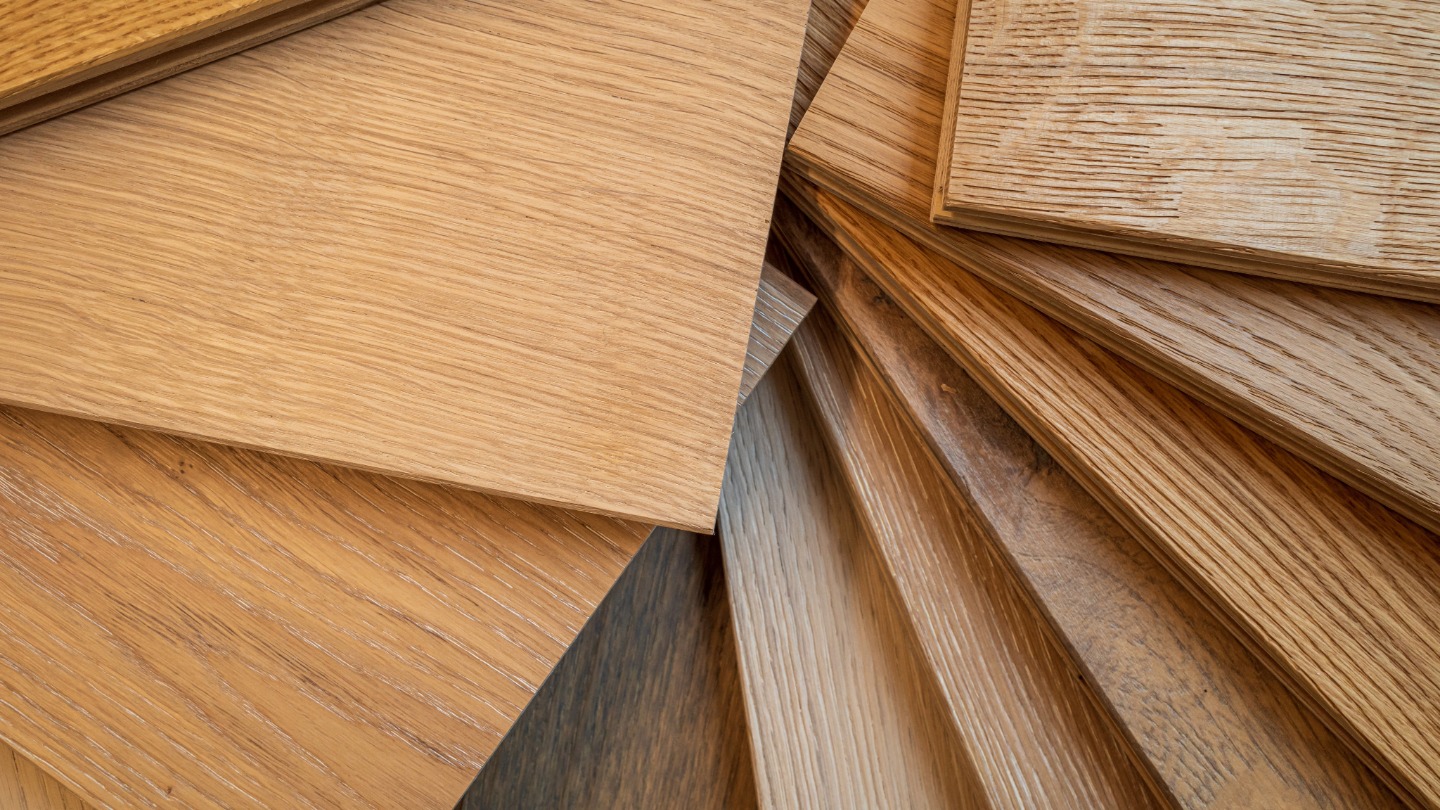
Ever wondered why some sports halls up north seem to have a different vibe when you’re playing five-a-side? It turns out the type of floor can make a big difference, and there’s a bit of a North-South split going on. We’re going to have a look at why this happens and what it means for your game.
Key Takeaways
- Northern sports halls often favour wooden floors for five-a-side football, while the South might have different preferences.
- Timber floors can offer a specific ‘bounce’ and feel that players enjoy for quick games.
- Artificial turf and modern tile options are also popular choices for five-a-side football flooring in the UK.
- The cost of installing and maintaining different types of flooring is a major factor for sports facilities.
- Local demand and community needs play a big part in deciding what kind of five-a-side football flooring UK facilities end up with.
The Great British Flooring Divide: North vs. South
Right then, let’s talk about something that might seem a bit niche, but it’s actually a pretty big deal for sports halls up and down the country: the flooring. You might not think about it much when you’re just having a kickabout, but the surface you play on makes a massive difference. And get this, there seems to be a bit of a North-South split when it comes to what people prefer, especially for a quick game of five-a-side.
Why Northern Halls Lean Towards Timber
So, why is it that up north, you’re more likely to find a good old wooden floor in your local sports hall? It’s not just a random choice, apparently. There are a few reasons kicking around. For starters, timber floors have a certain feel to them. They offer a consistent bounce, which is brilliant for ball control and makes the game feel a bit more traditional, perhaps. Plus, historically, wood was a readily available and robust material for building, so it made sense to use it for sports surfaces too. It’s a bit like how some regions are known for certain types of food; the North seems to have a soft spot for the classic timber pitch.
Southern Preferences: A Different Ball Game
Down south, things can be a bit different. While timber floors are still around, there’s a noticeable shift towards other materials. You’ll find more modern synthetic surfaces, like artificial turf or those interlocking tile systems, popping up in southern sports facilities. This could be down to a few things. Maybe it’s about perceived lower maintenance, or perhaps a desire for surfaces that are seen as more cutting-edge or suitable for a wider range of sports. It’s like the South is a bit more experimental with its sports hall surfaces, whereas the North sticks to what it knows and loves.
Historical Roots of Regional Choices
Thinking back, the materials available and the way sports were played historically probably played a big part. In areas where timber was plentiful and perhaps easier to work with, wooden floors became the standard. These halls were built to last, and the timber floors were part of that. Over time, this just became the norm. As new flooring technologies emerged, different regions adopted them at different paces. The North’s preference for timber isn’t just about nostalgia; it’s often tied to the practicalities and traditions established decades ago. It’s a fascinating little insight into how local history and resources can shape something as seemingly simple as a sports hall floor.
The Allure of Wooden Pitches for Five-a-Side
Right then, let’s talk about why so many people, especially up North, seem to have a soft spot for wooden floors when it comes to a bit of five-a-side. It’s not just about tradition, though that plays a part. There’s something about the way a good timber pitch feels underfoot that just makes the game better.
The Bounce Factor: How Timber Enhances Play
Think about it. A proper sprung wooden floor isn’t dead. It’s got a bit of give, a bit of spring. This means when you land after a jump, or when the ball hits the deck, it doesn’t just thud and stop. It has a lively bounce. This makes for a quicker game, more dynamic passes, and generally, a more exciting spectacle. It’s this responsive surface that really separates it from harder, less forgiving options. It feels more natural, more forgiving on the joints too, which is a big plus when you’re not exactly twenty anymore.
Grip and Glide: The Player’s Perspective
Players often talk about the feel of the wood. It’s not too grippy, so you can slide into a tackle or turn sharply without your feet sticking. But it’s not so slippery that you’re constantly falling over either. It’s a sweet spot that allows for quick changes of direction and controlled movements. You can get low, dig in, and make those sharp turns that are the hallmark of good five-a-side play. It feels predictable, which is what you want when you’re trying to thread a pass or get a shot away under pressure.
Durability and Maintenance of Wooden Floors
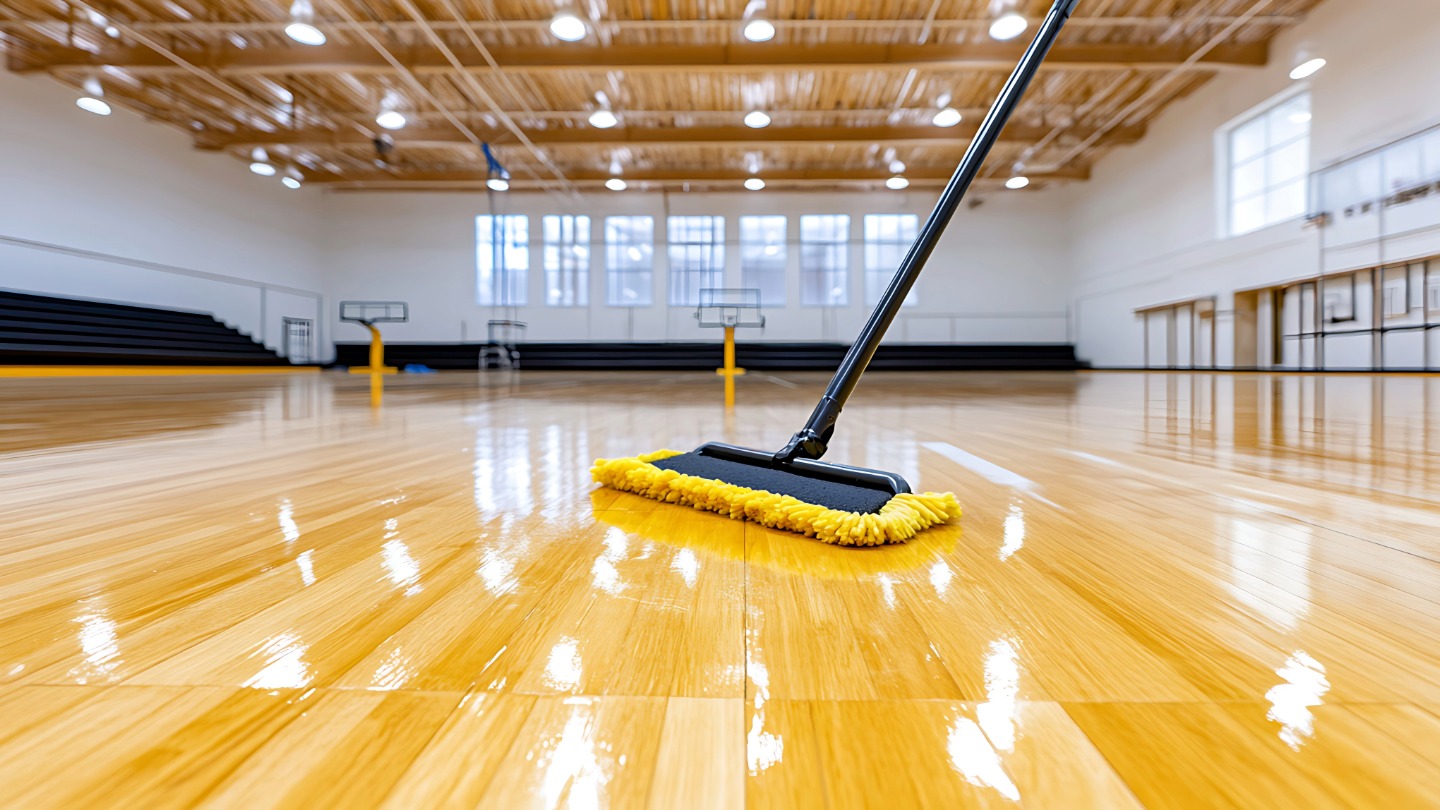
Now, you might think wood is high maintenance, and in some ways, it is. But a well-looked-after timber floor can last for ages. We’re talking decades, easily. The key is regular cleaning and the occasional sanding and varnishing. It’s a bit like looking after a good pair of boots – a bit of care goes a long way.
Here’s a quick rundown of what goes into keeping them in shape:
- Daily Cleaning: Sweeping or dust mopping to get rid of grit that can scratch the surface.
- Regular Polishing/Buffing: Keeps the sheen and protects the wood.
- Periodic Refinishing: Sanding down and re-varnishing every few years, depending on use, to bring it back to life.
While the initial cost might seem higher, the longevity and the playing experience often make timber a sound investment for halls that host a lot of five-a-side.
It’s a surface that ages well, and when it’s done right, it just feels right for the game.
Beyond the Wood: Exploring Alternative Five-a-Side Flooring
Right then, while timber has its fans, it’s not the only game in town for five-a-side pitches. The world of sports flooring has moved on, and there are some pretty decent alternatives popping up that are worth a look. We’re talking about surfaces that aim to give you a bit of everything – good playability, decent durability, and maybe even a bit easier on the old wallet.
The Rise of Artificial Turf Pitches
Artificial turf, or ‘astro turf’ as some still call it, has made a massive comeback. It’s not like the old, hard stuff from the 80s anymore. Modern versions are much softer, often with a sand or rubber infill, which makes them feel a lot more forgiving underfoot. For five-a-side, this can be a real plus. You get a consistent bounce, the ball doesn’t skid about as much, and you can play in pretty much any weather without turning the place into a mud bath. It’s a popular choice for outdoor five-a-side courts, but you’re seeing it indoors too, especially in places that want to be used for multiple sports.
Polypropylene Tiles: A Modern Contender
These are the modular plastic tiles you see a lot these days. They click together to form a solid surface. They’re pretty tough, come in loads of colours, and are known for being easy to install and maintain. For five-a-side, they offer a decent grip and a consistent ball roll. They’re a bit of a blank canvas, really, allowing facilities to brand their courts or create different zones. Some players find them a little harder than wood, but the lack of seams and the drainage (if used outdoors) are big advantages. They’re also quite good at handling heavy foot traffic and don’t need the same kind of specialist care as a wooden floor.
Comparing Performance: Wood vs. Synthetics
It’s tricky to say one is definitively ‘better’ because it really depends on what you’re after. Here’s a quick rundown:
- Bounce: Timber generally offers a more natural, lively bounce. Synthetics can be consistent, but sometimes feel a bit dead.
- Grip: This varies a lot. Good quality timber with the right finish gives excellent grip. Some synthetic tiles can be very grippy, while others might feel a bit slick, especially when wet.
- Speed of Play: Timber often allows for a faster game due to its responsiveness. Synthetics can sometimes slow the game down a touch.
- Maintenance: Timber needs regular cleaning, sanding, and sealing. Tiles are usually wipe-clean, and turf just needs brushing and occasional infill top-ups.
- Feel: This is subjective. Some love the classic feel of wood, others prefer the predictable nature of a synthetic surface.
Ultimately, the choice between wood and its alternatives comes down to a mix of budget, intended use, and what the players themselves prefer. There’s no single ‘perfect’ surface for every five-a-side game.
So, while the North might have a soft spot for timber, these other options are definitely making their mark across the country, offering different benefits for clubs and players alike.
Cost and Investment: What Influences Flooring Decisions
Right then, let’s talk brass tacks. When it comes to kitting out a sports hall, especially for something as popular as five-a-side, the flooring choice isn’t just about looks or how the ball bounces. It’s a big financial decision, and there are a few things that really sway what ends up underfoot.
Initial Outlay for Different Flooring Types
First off, you’ve got the sticker shock. Some options just cost more to get installed from the get-go. Timber, for instance, can be a bit of an investment upfront. It’s a natural material, and getting it laid properly, with the right subfloor and finish, adds up. Then you’ve got things like sprung timber systems, which are brilliant for players but definitely push the price up.
On the flip side, some synthetic options might seem cheaper initially. Think about basic rubber matting or even some of the interlocking tile systems. They can be quicker to install and might have a lower starting price tag. But, and it’s a big ‘but’, you’ve got to look at the whole picture.
Here’s a rough idea of what you might be looking at, though prices can swing wildly depending on the supplier and the size of the hall:
| Flooring Type | Estimated Initial Cost (per sq m) | Notes |
|---|---|---|
| Sprung Timber | £80 – £150+ | High performance, requires specialist install |
| Standard Timber | £60 – £100 | Good all-rounder, can be refinished |
| Polypropylene Tiles | £40 – £70 | Durable, good drainage, easy to repair |
| Artificial Turf | £30 – £60 | Lower upfront, can wear faster |
| Rubber Matting | £25 – £50 | Basic, often for multi-use areas |
Long-Term Value and Running Costs
This is where things get interesting. A floor that costs a bit more upfront might actually save you money down the line. Timber floors, while needing care, can often be sanded and refinished multiple times, giving them a really long lifespan. They’re tough cookies if looked after.
Synthetic options vary. Some high-quality ones are built to last and need minimal upkeep beyond regular cleaning. Others, especially cheaper tile systems, might need sections replaced more often if they get damaged. Artificial turf, while great for outdoor feel, can wear out faster indoors with heavy use and might need replacing sooner than a well-maintained timber floor.
Think about cleaning, too. Some surfaces are a doddle to sweep and mop. Others might need specialist cleaning equipment or treatments. Repairs are another factor. Can you just swap out a few tiles, or do you need a whole section redone? The cheapest option today might end up costing you a fortune in the long run.
Budgetary Considerations for Sports Facilities
Ultimately, it all comes down to the budget available. For a brand-new facility, there might be more scope to invest in a top-tier floor that will last for decades. For existing halls looking to upgrade or add a five-a-side pitch, the budget might be tighter, pushing decisions towards more cost-effective solutions.
It’s not just about the price tag of the flooring itself. You’ve got to factor in the cost of installation, any necessary subfloor preparation, line marking, and ongoing maintenance. A cheap floor poorly installed can be a recipe for disaster and costly repairs later on.
When you’re looking at the numbers, it’s worth getting quotes for a few different types of flooring and then really digging into the lifespan and maintenance costs for each. Sometimes, spending a bit more now means a lot less hassle and expense later. It’s a balancing act, for sure.
Community Sport and Local Hall Choices
How Local Demand Shapes Flooring Options
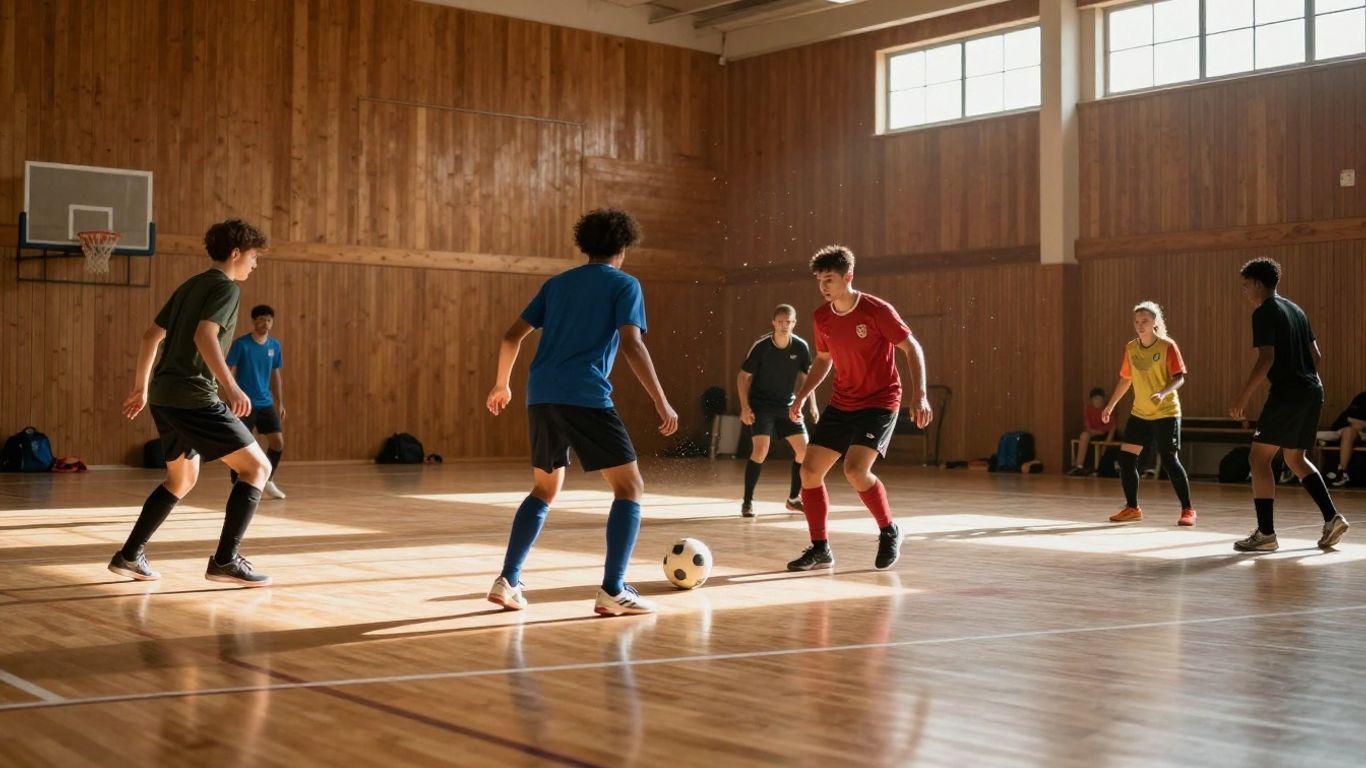
It’s easy to get caught up in the big picture of national trends, but when it comes to sports halls, especially for something as popular as five-a-side football, it’s often the local community that really calls the shots. Think about it: who uses these halls day in, day out? It’s the local lads and lasses, the amateur leagues, the kids’ clubs. They’re the ones who have a say, even if it’s just through the sheer volume of bookings and the feedback they give to the hall managers. If a local five-a-side league is desperate for a proper timber pitch because they reckon it makes the game faster and fairer, they’ll make their voices heard. It’s not always about the flashiest, most expensive option; it’s about what works for the people actually playing.
The Impact of Five-a-Side Football Flooring UK Trends
While local preferences are key, you can’t ignore what’s happening across the country. If there’s a growing buzz around timber floors for five-a-side in one region, that chatter can easily spread. Hall committees and sports development officers often look at what’s successful elsewhere. They might visit other facilities, read up on what’s popular, or even get recommendations from coaches and players who’ve experienced different surfaces. This cross-pollination of ideas means that trends, whether they’re for timber, artificial turf, or something else entirely, can really influence decisions at a local level. It’s a bit like fashion, really – what starts in one place can quickly become the ‘in’ thing everywhere else.
Supporting Grassroots Football: Flooring Matters
For the backbone of British sport – the grassroots clubs and community teams – the choice of flooring is more than just a practical matter; it’s about accessibility and the quality of the game. A well-maintained timber floor can make a huge difference to the speed and enjoyment of a five-a-side match, potentially attracting more players and keeping them engaged. Conversely, a poorly maintained or unsuitable surface can be a real turn-off. Local authorities and sports trusts often have to balance budgets with the desire to provide the best possible facilities for their communities. It’s a tricky balancing act, but getting the flooring right is a big part of making sure local five-a-side football thrives.
Here’s a quick look at what local decision-makers might consider:
- Player Feedback: What do the regulars actually want and prefer?
- Budget Constraints: How much can realistically be spent, both upfront and long-term?
- Maintenance Capacity: Does the hall have the staff and resources to look after a specific type of floor?
- Usage Intensity: How many hours a week will the floor be used for five-a-side and other activities?
- Local Competition: What are other nearby facilities offering?
Ultimately, the best sports halls are those that listen to their users. For five-a-side, this means understanding the specific demands of the game and trying to match them with a flooring solution that’s both practical and enjoyable for the local players. It’s about creating a space where people want to play, week after week.
The Future of Five-a-Side Flooring in the UK
Innovations in Sports Surface Technology
Right then, what’s next for the pitches where we all love a bit of five-a-side? It feels like things are always changing, doesn’t it? We’re seeing some pretty neat tech popping up that could shake things up. Think about surfaces that can adapt or even help prevent injuries. It’s not just about slapping down some wood or plastic anymore; there’s a real push to make things smarter.
Sustainability in Sports Hall Construction
This is a big one, and rightly so. Nobody wants to feel guilty about their sports fix. Builders and facility managers are looking at materials that are kinder to the planet. This means thinking about where things come from, how they’re made, and what happens when they eventually need replacing. Recycled materials and lower-impact manufacturing are definitely on the radar. It’s a bit of a balancing act, though, trying to keep costs down while going green.
Will Timber Remain King for Five-a-Side?
So, the million-dollar question: will that classic wooden floor still be the go-to for five-a-side? It’s got that traditional feel, and we know it works well for the game. But, as we’ve seen, there are other options out there now, like those fancy tile systems and even some decent artificial grass setups.
Here’s a quick look at what we might be seeing more of:
- Hybrid Floors: A mix of materials designed to give you the best of both worlds – maybe some shock absorption with a good bounce.
- Advanced Composites: New materials that mimic wood’s feel but might be tougher or easier to look after.
- Smart Surfaces: Imagine floors that can tell you how fast the ball is travelling or even monitor player impact.
It’s a bit of a race between tradition and new ideas. While wood has a strong hold, especially in certain regions, the drive for better performance, lower maintenance, and greener options means we’re likely to see a more diverse range of surfaces becoming popular. The ultimate goal is to give players the best possible experience, whatever the material.
Thinking about the best surfaces for five-a-side football in the UK? The right flooring makes a huge difference to the game, affecting speed, ball bounce, and player safety. We’ve seen a lot of changes and exciting new options emerge. Want to know more about what’s best for your club or facility? Visit our website today to explore the latest in sports flooring solutions!
So, what’s the takeaway?
Right then, it seems like where you are in the UK really does make a difference to what kind of sports hall you’ll find. It’s not just a random thing; there are actual reasons behind it, like history and what people are used to. The North’s love for timber floors for their five-a-side games is a proper example of this. It’s interesting how these regional tastes stick around, isn’t it? Makes you wonder what other little differences are out there, just waiting to be noticed. Maybe next time you’re booking a court, you’ll give a thought to the floor beneath your feet and why it’s there.
Frequently Asked Questions
Why do some sports halls in the North of England have wooden floors for five-a-side?
It seems like a bit of a tradition up North! Lots of older halls were built with wood, and people got used to how it plays for five-a-side. It’s got a nice spring to it that players enjoy, making the game feel a bit faster and more exciting. Plus, wood can be really good for grip, which is super important when you’re darting about!
Are wooden floors better for playing five-a-side football?
Loads of players reckon so! The wood gives a really consistent bounce, so the ball behaves predictably. It also offers a good balance between being grippy enough to stop you sliding everywhere, but smooth enough to let you turn quickly. It just feels right for a fast-paced game like five-a-side.
What other types of floors are used for five-a-side pitches?
You’ll see a few different things these days. Some places have gone for artificial grass, which is more like outdoor pitches. Others use plastic tiles, often called ‘polypropylene tiles’, which click together. They’re pretty modern and can be good for drainage if they’re used outside.
Is it more expensive to have a wooden floor in a sports hall?
Generally, putting in a brand-new wooden floor can cost a fair bit upfront compared to some other options. However, they can last for ages if they’re looked after properly, and the maintenance isn’t too bad. So, while the initial price might be higher, the long-term value can be pretty good.
Does the type of floor affect how much people play five-a-side?
Definitely! If a local hall has a floor that players love, like a good wooden one, it’ll probably be packed with people wanting to play. When the surface is great, it makes the game more fun and people are more likely to book a pitch. It really does make a difference to grassroots football.
Will sports halls keep using wooden floors for five-a-side in the future?
It’s hard to say for sure! There are always new materials coming out that are supposed to be even better. But wood has been around forever for a reason – it works really well for five-a-side. It’s also a natural material, which is a bonus. So, while new things will pop up, wood might just stick around for a good while yet!