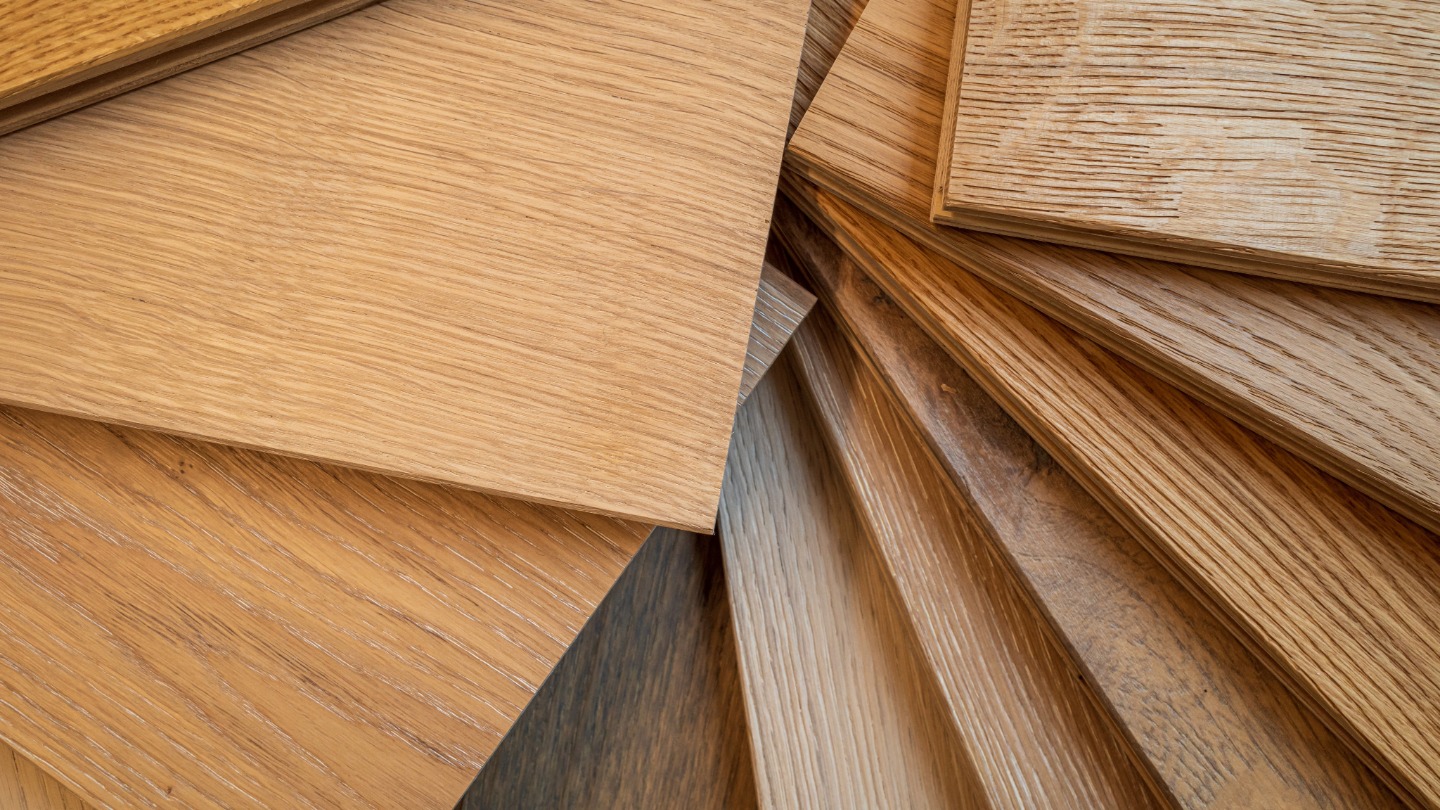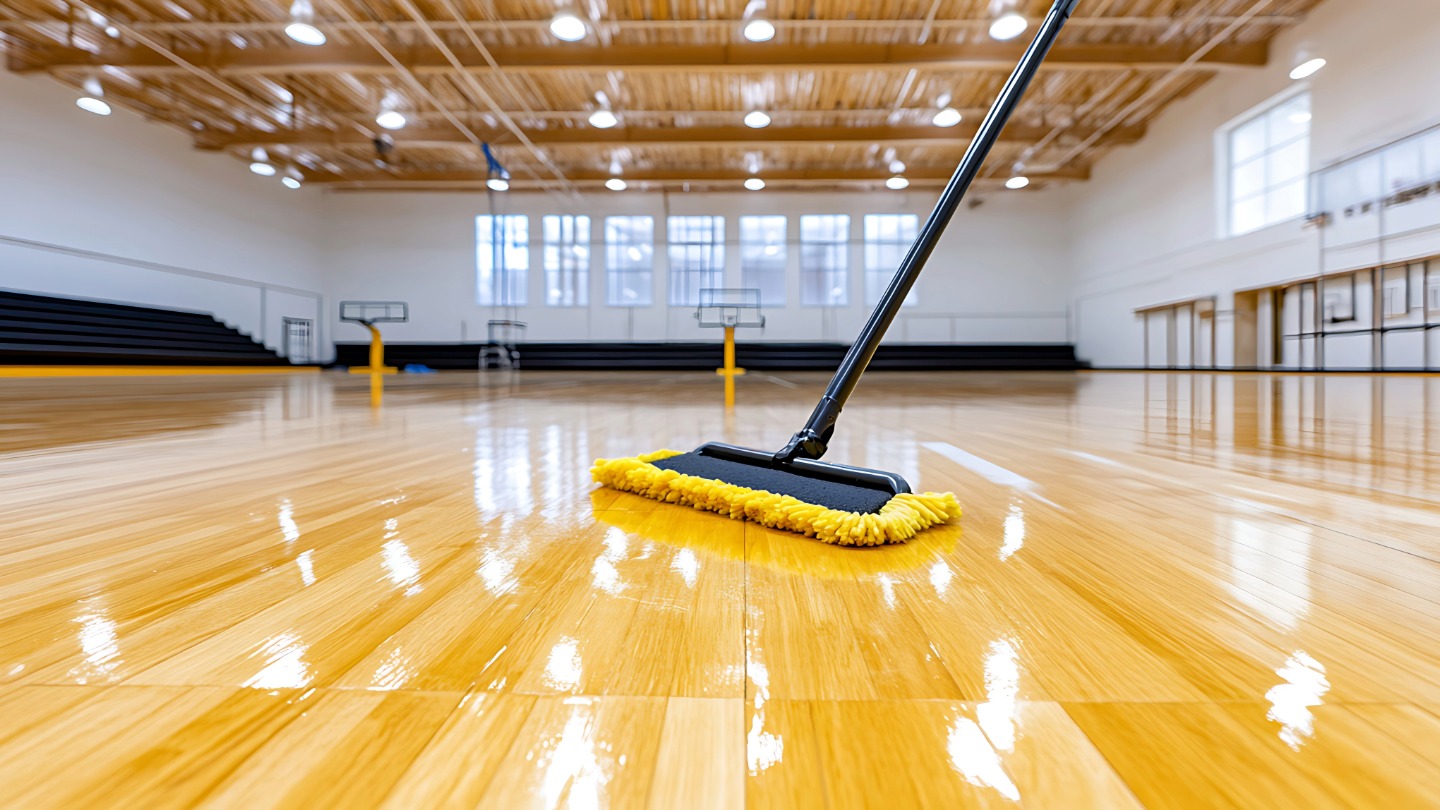
So, you’re trying to figure out what kind of flooring to put in a school, right? Especially with all the damp air we get here in the UK. It can be a real headache trying to keep things looking good and lasting long. We’re going to chat about solid wood versus those engineered boards, and how they handle the humidity, particularly when it comes to a timber sports floor humidity situation. Let’s get stuck in.
Key Takeaways
- Solid timber can be a bit tricky with UK’s damp air; it swells and shrinks a lot, which might not be ideal for a timber sports floor humidity challenge.
- Engineered boards, with their layered design, tend to be more stable when the air gets humid, making them a good shout for schools.
- How you put the floor in and how well the room is ventilated makes a massive difference, no matter what type of wood you pick.
- Keeping an eye on timber sports floor humidity levels is key to making sure your floor stays in good shape for years.
- When choosing, think about how much you can spend, what look you’re going for, and how long you want the floor to last in that busy school environment.
Understanding Timber’s Battle With Damp Air
The UK’s Humid Climate Explained
Right, let’s talk about the weather, specifically the kind of damp air we get a lot of here in the UK. It’s not just a bit of drizzle, is it? Our climate tends to hover around high humidity levels for a good chunk of the year, especially in coastal areas or during those long, grey winters. Think about it – condensation on windows, that slightly musty smell in older buildings, and just generally feeling a bit clammy. This constant presence of moisture in the air isn’t just annoying for us; it’s a real challenge for materials like wood.
How Moisture Affects Solid Wood
Solid wood, bless its natural heart, is a bit like a sponge when it comes to moisture. It absorbs water vapour from the air, and when it does, it swells up. Then, when the air dries out, it shrinks back down. This constant cycle of expanding and contracting is what causes all sorts of problems. You might see gaps appearing between floorboards, or worse, the wood can start to warp and twist. It’s this natural hygroscopic behaviour that makes solid timber so susceptible to changes in its environment. It’s not faulty; it’s just how wood works.
Wood is a living material, even after it’s been cut and dried. It breathes, in a way, reacting to the air around it. This means its size and shape can change quite a bit depending on how wet or dry the atmosphere is.
The Impact on Timber Sports Floor Humidity
Now, imagine this happening to a big, beautiful timber sports floor in a school. These places are often large, with high ceilings, and can experience significant temperature and humidity fluctuations. During sports lessons, all that activity, sweat, and maybe even spilled drinks can add extra moisture. Then, when the hall is empty and the heating is off, the air can get pretty damp. This constant battle with humidity can lead to:
- Cupping or crowning: Where the edges of the boards lift up or the centre bows.
- Gapping: Visible spaces appearing between the planks.
- Surface damage: The finish can crack or peel if the wood is moving too much.
- Reduced lifespan: All this stress can wear the floor out faster than you’d like.
Solid Timber’s Resilience: A Natural Advantage?
So, solid timber. It’s been around for ages, right? There’s something about a proper wooden floor that just feels… right. But how does it actually hold up when the weather outside gets a bit damp, which, let’s face it, is pretty much all the time here in the UK? Well, solid wood has some pretty neat tricks up its sleeve.
The Strength of Natural Grain
Think of solid timber like a tree. It’s grown that way, with its own unique grain patterns. This natural structure gives it a certain inherent strength. When it comes to dealing with moisture, this grain can actually help it manage changes better than you might think. It’s this natural composition that gives solid wood its character and, in many ways, its resilience. Unlike manufactured materials, it’s not trying to be something it’s not; it’s just wood, doing its wood thing.
Expansion and Contraction: What to Expect
Now, wood does what wood does – it moves. When it gets damp, it swells a bit. When it dries out, it shrinks. This is totally normal. For a solid timber floor, especially in a school environment where humidity can swing, you’ll notice this. It’s not necessarily a bad thing, but it’s something you need to be aware of.
- Seasonal Swings: Expect slight changes in gaps between boards as the seasons change.
- Impact on Fit: Very dry spells might lead to minor shrinkage, while high humidity can cause expansion.
- Not a Flaw: This movement is a sign the wood is alive and responding to its environment, not a defect.
Maintenance for Solid Wood in Humid Zones
Keeping solid timber happy in a damp climate isn’t rocket science, but it does need a bit of attention. It’s more about working with the wood than fighting it.
- Regular Cleaning: Sweep or vacuum regularly to remove grit that can scratch the surface. A slightly damp mop is usually fine, but don’t let water sit.
- Ventilation is Key: Good airflow helps keep moisture levels more stable. Open windows when you can, especially after cleaning or during periods of high humidity.
- Protective Finishes: A good quality sealant or varnish is your best friend. It acts as a barrier, slowing down moisture absorption and release. Reapply as needed – check the manufacturer’s advice.
Dealing with humidity in schools means understanding that solid timber will react. The goal isn’t to stop it from moving entirely, but to manage the rate of change and protect the wood from excessive moisture. This approach helps maintain its integrity over the long haul.
While solid timber might seem like it could be more susceptible to humidity due to its natural properties, its inherent structure and the way it responds to moisture can actually make it quite robust, provided it’s looked after properly. It’s a material that tells a story of its environment.
Engineered Boards: A Modern Solution to Humidity
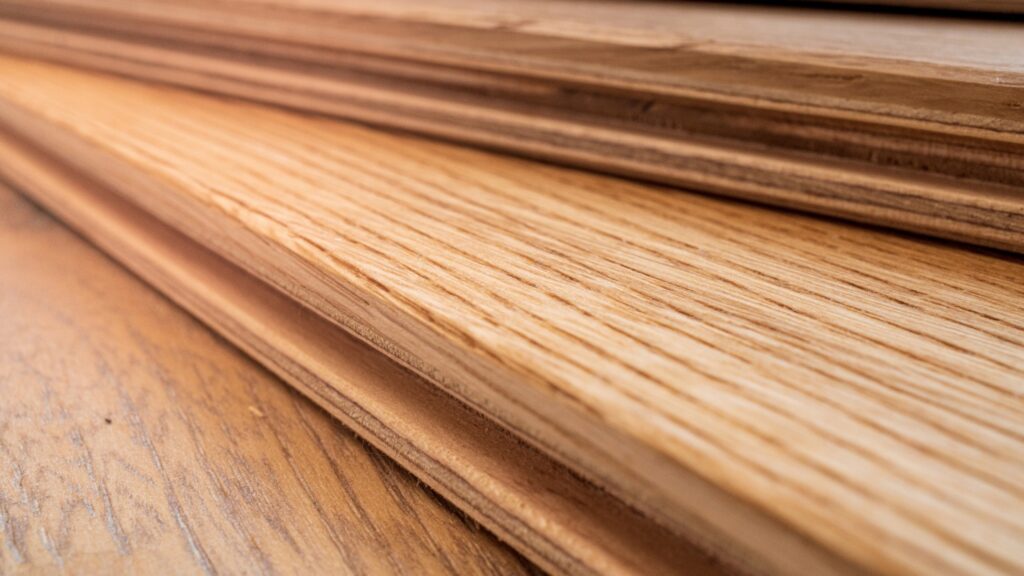
Right, let’s talk about engineered timber flooring. It’s not just a fancy name; it’s actually a clever bit of kit designed to handle things like the damp air we get a lot of here in the UK, especially in places like school sports halls. Unlike solid wood, which can be a bit sensitive to moisture changes, engineered boards are built differently to be more stable.
Construction of Engineered Timber
So, what exactly is engineered timber? Think of it like a layered sandwich. The top layer, the bit you actually see and walk on, is a solid wood veneer – that’s where you get your nice wood look. But underneath that, you’ve got several layers of other wood products, often plywood or high-density fibreboard (HDF), all glued together with their grain running in different directions. This cross-graining is the secret sauce.
How Layers Combat Moisture Swells
This layered construction is what makes engineered boards so much better at dealing with humidity. When solid wood gets damp, it tends to swell up across its width. Because the layers in an engineered board are all going in different directions, they sort of hold each other in check. This cross-laminated structure significantly reduces the tendency to expand or contract with changes in moisture. It means less warping, cupping, or lifting at the edges, which is a massive win for a busy school environment.
Performance in Damp School Environments
In a school setting, especially a sports hall, you’re going to get fluctuations in humidity. Think about sweaty kids, cleaning routines, and just the general UK weather. Engineered boards are generally much more forgiving in these conditions. They’re less likely to show dramatic changes in size, meaning the floor stays looking good and performing well for longer. It’s a more predictable performance, which is exactly what you want when you’re not looking to be constantly fixing things.
Here’s a quick rundown of why they’re a good bet:
- Better Stability: Less movement when humidity changes.
- Reduced Risk of Damage: Less chance of warping or delamination.
- Easier Maintenance: Generally requires less fuss to keep looking its best.
- Versatile Installation: Can often be installed in more varied conditions than solid wood.
While solid timber has its own charm and strengths, engineered boards offer a practical, modern approach to flooring challenges, particularly where moisture is a concern. Their design inherently fights against the common problems that damp air can cause in wooden floors.
It’s not to say they’re completely immune to moisture, of course. You still need to look after them and manage the environment. But compared to solid timber, they’re definitely built with humidity in mind, making them a really sensible choice for many school applications.
Comparing Performance: Solid vs. Engineered Under Pressure
So, we’ve looked at how solid timber and engineered boards are made and how they generally handle damp air. Now, let’s get down to brass tacks: how do they actually stack up against each other when things get a bit tough, especially in a busy school environment?
Long-Term Stability Differences
This is where you really see the core differences. Solid timber, being a natural product, is always going to have a bit of a personality. It’s going to move. Over the years, with all those UK humidity swings, a solid wood floor might show its age a bit more. You might notice slight gaps appearing between boards in dry spells, or they might swell up and feel a bit tight when it’s damp. It’s not necessarily a bad thing, it’s just what natural wood does. Engineered boards, on the other hand, are designed to be more stable. That layered construction means the different grain directions work against each other, limiting how much the board can expand or contract. This makes them a much more predictable choice for maintaining a flat, consistent surface over many years.
Response to Seasonal Humidity Shifts
Think about the typical British year. We go from damp, chilly winters to warmer, potentially muggier summers. How do these floors cope? Solid timber will definitely react. It’ll swell up when the air is thick with moisture and shrink back down when it’s dry. This can lead to squeaks, cupping (where the edges of the boards lift up), or even slight lifting if the movement is significant. Engineered boards are much better at resisting these seasonal shifts. While they aren’t completely immune, their construction means the movement is far less pronounced. You’re less likely to see dramatic changes in the floor’s appearance or feel throughout the year.
Durability for High-Traffic School Use
Schools are tough places for floors. You’ve got kids running around, sports equipment being moved, and general wear and tear. Both types of flooring can be made very durable, but the way they handle wear and tear in a humid environment can differ. A well-maintained solid wood floor can last for ages, and you can sand it down multiple times to refresh it. However, if it’s constantly battling moisture, the wood fibres can become weaker over time, making it more prone to dents and scratches. Engineered boards, especially those with a tough top layer (like a thick veneer), can be incredibly hard-wearing. Their stability means they’re less likely to warp or cup under pressure, which is a big plus in a high-traffic area. If a section does get damaged, it’s often easier to replace a single engineered board than to try and fix a warped section of solid wood without it being noticeable.
Here’s a quick rundown:
- Solid Timber: More natural movement, can be sanded multiple times, but susceptible to long-term moisture damage affecting fibre strength.
- Engineered Boards: Significantly less movement, better resistance to warping and cupping, often more stable underfoot in varying humidity.
When you’re choosing, it’s not just about the initial look. You’ve got to think about how the floor will behave day in, day out, year after year, especially with the unpredictable British weather playing its part. Stability is key for a school environment where consistency is needed.
Installation and Environment: Key Factors for Success
Proper Subfloor Preparation
Right then, let’s talk about getting the floor down properly. It’s not just about slapping the boards on and hoping for the best, especially in a school where things get a proper workout. The subfloor is the foundation, and if it’s not spot on, you’re asking for trouble down the line. We’re talking about making sure it’s level, dry, and clean. Any lumps or bumps will show through, and dampness is a big no-no for timber. Think of it like building a house – you wouldn’t build on wonky ground, would you?
- Check for moisture: Use a damp meter. You want readings well within the manufacturer’s limits. If it’s too damp, you need to sort that out first. This might mean waiting for it to dry, or looking at damp-proofing solutions.
- Level it up: Unevenness can cause stress on the boards and lead to creaking or gaps.
- Cleanliness is key: Dust, grit, or old adhesive can interfere with the bonding or expansion.
Getting the subfloor right from the start saves a massive headache later on. It’s the bedrock of a stable floor.
Ventilation Strategies for Sports Halls
Schools, especially sports halls, can get pretty steamy. All that running around, jumping, and general exuberance means moisture builds up. Good ventilation is your best mate here. It helps to keep the air moving and stops that damp, muggy feeling from settling in. Without it, the timber, whether solid or engineered, is going to have a much tougher time. We’re not talking about just opening a window now and then; it needs a proper system.
- Mechanical ventilation: This is usually the most effective. Think fans and air handling units that actively move air in and out.
- Natural ventilation: Using windows and vents strategically can help, but it’s often not enough on its own for a busy sports hall.
- Dehumidifiers: In particularly tricky spots, a dehumidifier can be a lifesaver, pulling excess moisture out of the air.
Controlling Timber Sports Floor Humidity Levels
So, we’ve talked about getting the floor down and keeping the air moving. Now, how do we actually keep an eye on things? It’s all about managing the humidity. Too high, and the wood swells. Too low, and it can shrink and crack. For a school sports hall, you’re aiming for a happy medium. This means regular monitoring and being ready to make adjustments.
Here’s a rough guide for ideal conditions:
| Factor | Ideal Range |
|---|---|
| Relative Humidity | 40% – 60% |
| Temperature | 15°C – 22°C |
Consistent conditions are more important than hitting an exact number. Fluctuations are what really stress the timber. So, if you can keep it steady, you’re doing a great job. This might involve using the building’s heating and ventilation systems in tandem, and perhaps even having a building management system that can monitor and adjust these factors automatically. It’s a bit of an ongoing job, but it pays off in the long run with a floor that lasts.
Choosing the Right Floor for Your School’s Needs
Budget Considerations
Right, so we’ve looked at how solid timber and engineered boards stack up against the damp UK air. Now, let’s get down to brass tacks: what can you actually afford? It’s not always a straightforward answer, is it? Solid wood often has a higher upfront cost, no doubt about it. But then you’ve got to think about how long it’ll last. Engineered boards can sometimes be a bit cheaper to buy, but will they need replacing sooner if they don’t handle the humidity as well over the years? It’s a bit of a balancing act.
Here’s a rough idea of what you might be looking at:
- Solid Timber: Generally higher initial investment, but potentially lower long-term costs if well-maintained.
- Engineered Boards: Can be more budget-friendly to start with, but consider potential replacement or repair costs down the line.
It’s really about looking at the whole picture, not just the price tag on day one.
Aesthetic Preferences
Beyond the practical stuff, how do you want the floor to look and feel? Solid timber, with its natural grain and unique character, can give a really warm, traditional vibe. Every plank is a bit different, which some people love. Engineered boards can mimic this, of course, and you can get a huge range of finishes and styles. You might find a specific look you prefer with one over the other. Think about the overall feel you want for the school hall or sports area. Do you want that classic, natural look, or are you after something more modern and uniform?
Balancing Longevity and Cost
This is where it all comes together, really. You want a floor that’s going to stand the test of time, especially in a busy school environment where it’s going to get a lot of wear and tear. But you also have to stick to a budget. So, what’s the best compromise?
Sometimes, spending a bit more upfront on a material that’s known for its durability and resistance to humidity can save you a fair bit of hassle and money in the long run. It’s about avoiding those unexpected repair bills or premature replacements.
When you’re weighing up solid versus engineered, ask yourself:
- What’s the expected lifespan of each type in our specific school environment?
- What are the ongoing maintenance costs for each?
- How much will it cost to repair or replace sections if something goes wrong?
Getting quotes for both, and asking suppliers about their warranties and expected performance in humid conditions, will give you a much clearer picture. Don’t be afraid to ask lots of questions – it’s a big decision for the school!
Picking the right floor for your school is a big decision! You want something tough that can handle lots of running, jumping, and games, but also safe for everyone. We know how important it is to get this right, so we’ve made it easy to find the perfect fit for your school’s needs. Ready to see your options? Visit our website today to explore the best flooring solutions for your school!
So, What’s the Verdict?
Right then, after all that chat about wood and damp, it’s pretty clear there’s no single magic answer for UK schools. Solid timber can be a bit of a diva when the weather turns, swelling up one minute and shrinking the next, which isn’t ideal when you need things to stay put. Engineered boards, on the other hand, tend to be much more chill about moisture swings. They’re built to handle a bit of humidity without throwing a massive tantrum. So, if you’re looking for something that’s generally going to keep its cool through those steamy classroom days and damp winter mornings, engineered boards probably have the edge. But, if you’ve got the budget and the right setup to manage the environment, a well-chosen solid wood can still look a million quid. It really just boils down to what you can afford and how much fuss you’re willing to put up with.
Frequently Asked Questions
So, what’s the big deal with UK weather and wooden floors?
Basically, the UK’s weather is super changeable, especially when it comes to how much water is in the air – we call this humidity. Think steamy showers in a gym or just a generally damp day. This moisture can make wooden floors swell up or shrink, which isn’t great for keeping them flat and looking good, especially in busy school places.
Does solid wood just soak up all the dampness?
Solid wood, like a big plank cut straight from a tree, does react to moisture. When it’s humid, it can soak up water and get a bit bigger. When it’s dry, it can shrink. This constant changing can cause problems over time, like gaps appearing or the floor becoming uneven. It’s like a sponge, but for air moisture!
What’s this ‘engineered’ wood stuff, then?
Engineered wood isn’t just one solid piece. It’s usually made of a few layers stuck together – often a real wood top layer with other bits underneath, like plywood. This clever construction helps it fight against changes in humidity. The layers go in different directions, so it’s much harder for the whole thing to swell or shrink dramatically.
Which type of floor is tougher for a busy school gym?
For a really busy school environment, engineered boards often have the edge. Because they don’t move around as much with the damp air, they tend to stay more stable and last longer without looking worn out or getting damaged. Solid wood can be strong, but it needs more careful looking after in places with lots of people and changing conditions.
How can we stop the floor getting ruined by dampness in the first place?
Good preparation is key! Making sure the floor underneath is perfectly dry and level before laying any wood is super important. Also, making sure the room has good airflow, like in sports halls, helps a lot. Proper ventilation stops moisture from building up and causing trouble for the wood.
If I’m on a tight budget, what should I go for?
This is where it gets tricky. Engineered boards might cost a bit more upfront, but because they’re more stable and last longer, they can actually be cheaper in the long run. Solid wood might seem cheaper initially, but if it gets damaged by humidity, you might end up paying more for repairs or replacement. It’s about balancing how much you spend now with how long the floor will last.