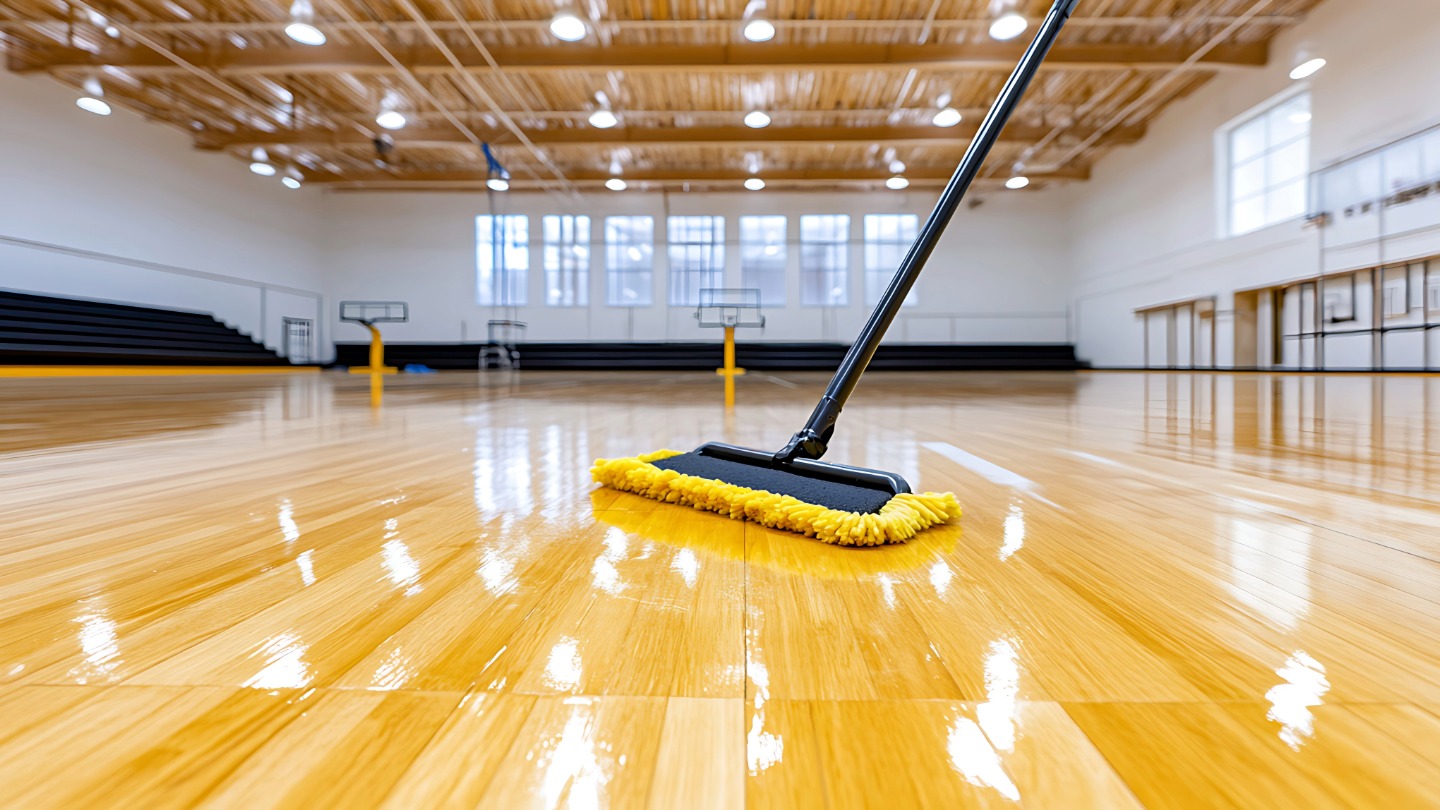
Thinking about sprucing up your sports facility’s floors? Sports England is putting out some cash for floor refurbishments, and the 2026 application window is on the horizon. It’s not just about making things look pretty, though; it’s about making sure your club or organisation can keep offering great facilities for years to come. This guide is here to help you figure out if you’re eligible and how to put your best foot forward when applying for these Sports England equipment grants.
Key Takeaways
- Sports England has funding available for floor refurbishments in 2026, so get your applications ready.
- Eligibility is based on your club or organisation’s status, the project’s impact, and a clear need for the work.
- The application process involves gathering documents, writing a strong case, and using their online system.
- Not all floor work is covered; stick to approved materials and be aware of what’s not included.
- To boost your chances, show community backing, secure your own funding, and plan for the future of your facility.
Understanding Sports England’s Floor Refurbishment Scheme
Right then, let’s get stuck into what this Sports England floor refurbishment scheme is all about. It’s basically a pot of money designed to help sports clubs and organisations across England get their playing surfaces sorted. Think worn-out gym floors, tired netball courts, or squash courts that have seen better days. This isn’t just about making things look pretty; it’s about safety, performance, and keeping people playing sport.
What’s New for 2026?
For 2026, Sports England have tweaked a few things to make sure the funding is hitting the mark. They’re really keen on projects that show a clear benefit to the local community and encourage more people, especially those who might not usually get involved in sport, to pick up a racket or lace up their trainers. They’re also looking for applications that demonstrate a good plan for keeping the facility running smoothly long-term, not just a quick fix.
Who Can Benefit from This Funding?
Loads of different types of organisations can get a slice of this funding. We’re talking about sports clubs, community sports facilities, schools that open their sports halls to the public, and even local authorities. If you’ve got a sports floor that’s past its best and you’re a not-for-profit group or a community-focused organisation, you’re probably in with a shout. It’s all about making sure sports facilities are top-notch for everyone.
Key Funding Priorities
Sports England has a few things they’re particularly interested in when they look at applications. These are the big hitters:
- Community Impact: How many people will benefit? Are you reaching new groups?
- Sustainability: Is the refurbished floor going to last? Do you have a plan to maintain it?
- Accessibility: Can everyone use the facility, regardless of ability?
- Safety: Is the current floor a hazard? Will the new one be safe for all users?
It’s worth remembering that this funding is aimed at improving playing surfaces. So, while a new reception area might be nice, it’s not what this particular grant is for. Focus on the actual floor where the sport happens.
They’re also really pushing for projects that can show they’ve got some backing from elsewhere, whether that’s from the club itself, local businesses, or other grants. It shows you’re serious about the project and have a solid plan in place. So, get your thinking caps on about how you can make your application stand out!
Eligibility Criteria for Sports England Floor Grants
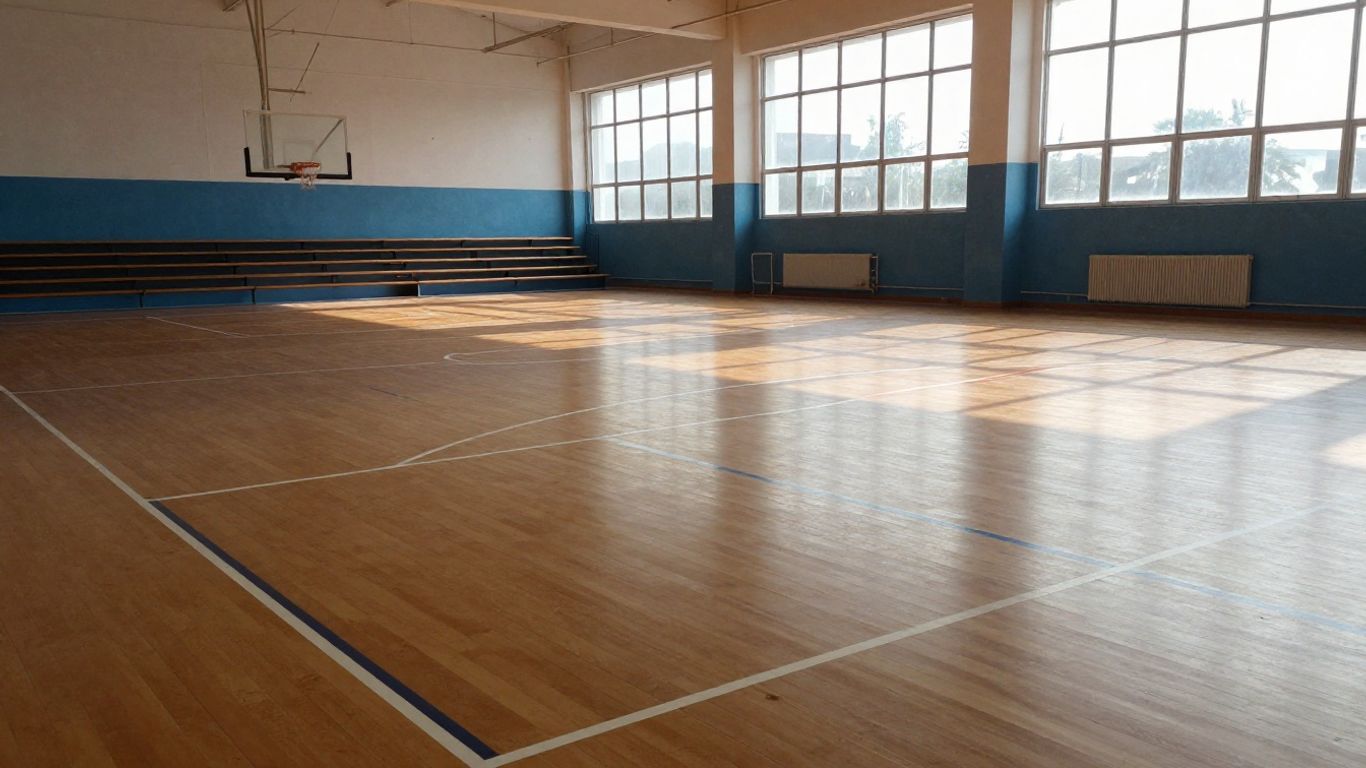
Right then, let’s get down to the nitty-gritty of who can actually get their hands on this Sports England funding for floor refurbishments. It’s not just a free-for-all, you know. There are some hoops to jump through, and it’s important to get this bit right from the start.
Club and Organisation Requirements
First off, you need to be the right kind of organisation. Sports England is looking to support groups that are properly set up and have a genuine connection to sport and physical activity in their local area. This usually means you’re a sports club, a community sports facility, a school with a public-facing sports offer, or a local authority running sports facilities. Basically, if you’re a proper legal entity with a clear mission to get people active, you’re probably on the right track.
- You’ll need to show you’re a constituted organisation – that means you’ve got rules, a committee, and you’re not just a few mates kicking a ball around.
- Your organisation should be not-for-profit. This funding isn’t for commercial ventures looking to make a quick buck.
- You’ll need to have been around for a bit, usually at least a year, to show you’re established.
Project Scope and Impact
It’s not just about who you are, but what you’re planning to do and who it’s going to help. Sports England wants to see that your floor refurbishment project is going to make a real difference. They’re keen on projects that:
- Improve the quality and safety of sports facilities.
- Increase participation in sport and physical activity, especially among under-represented groups.
- Support the long-term sustainability of sports clubs and facilities.
Think about the ‘before’ and ‘after’ of your floor. Is it cracked, uneven, or just plain worn out? Will a new floor make it safer for kids, allow more people to use it, or maybe even let you host new types of activities? That’s the kind of impact they want to hear about.
Demonstrating Need for Refurbishment
This is where you really need to make your case. Why now? Why this floor? You can’t just say ‘our floor is old’. You need to show evidence.
You’ll need to clearly explain the current condition of your floor, perhaps with photos or a surveyor’s report. It’s also a good idea to show how the current state is hindering participation or causing safety concerns. Think about the consequences of not refurbishing – will you lose users? Will it become unsafe?
Here’s a quick checklist for showing your need:
- Condition Report: Get a professional assessment if possible, or at least detailed photos and descriptions.
- Usage Data: How many people use the facility? How often? How is the current floor affecting this?
- Safety Concerns: Are there trip hazards? Is it slippery? Are you worried about injuries?
- Future Plans: How will a new floor help you grow and serve your community better?
Navigating the Application Process for Sports England Equipment Grants
Right then, let’s talk about actually getting your hands on that Sports England funding for your sports floor. It might seem a bit daunting, but honestly, it’s more about being organised and clear with your information. Think of it like planning a big event – you need all your ducks in a row.
Gathering Essential Documentation
Before you even think about filling out forms, you need to get your paperwork sorted. This is the bedrock of your application, so don’t skimp on it. You’ll likely need things like:
- Proof of your organisation’s legal status (e.g., charity registration, company number).
- Your latest set of accounts or financial statements. This shows you’re on solid ground.
- Any existing surveys or reports about the current state of your floor. Photos are good too, but professional reports carry more weight.
- Quotes from reputable suppliers for the refurbishment work. Get a few, so you can show you’ve shopped around.
Crafting a Compelling Case
This is where you sell your project. It’s not just about saying ‘our floor is old’. You need to explain why it needs fixing and what difference it will make. Think about:
- The impact on your users: How will a new floor improve safety, accessibility, or the overall experience for your club members, local community, or school groups?
- The benefits to the sport: Will better facilities encourage more people to get involved, help you host bigger events, or improve performance?
- Your organisation’s vision: How does this project fit into your wider plans for growth and community engagement?
Don’t just list problems; present solutions and paint a picture of the positive future your refurbished floor will enable. Show them you’ve thought it through from every angle.
Understanding the Online Portal
Most applications these days are done online, and Sports England is no different. The portal is where you’ll upload all your documents and fill in the main application form. It’s usually pretty straightforward, but give yourself plenty of time. Don’t leave it until the last minute, especially if you’re not super tech-savvy. Look out for:
- Clear instructions and guidance notes within the portal itself.
- Save buttons! Make sure you’re saving your progress regularly.
- A confirmation email once you’ve submitted. Keep this safe as proof.
It’s all about being thorough and honest. If you’re clear about your needs and how the funding will be used, you’re already halfway there.
What Constitutes Eligible Floor Refurbishment Work?
Approved Flooring Materials
So, what kind of flooring are Sports England actually keen on funding? It’s not just about slapping down any old carpet, you know. They’re looking for surfaces that are fit for purpose, safe, and durable for the sports you’re planning to play on them. Think about sports halls, gymnasiums, or even specific courts. Generally, they favour materials that are designed for sports use. This often includes things like:
- Sprung timber floors: These are brilliant for sports like basketball and badminton, offering shock absorption and good ball bounce.
- Polyurethane (PU) or vinyl sports surfaces: These are really versatile and can be used for a whole range of activities, from indoor football to netball. They’re known for being hard-wearing and easy to maintain.
- Rubber flooring: Often used in gyms for weightlifting areas or cardio zones, providing good grip and impact protection.
- Specialist court surfaces: For things like squash or indoor tennis, there are specific types of flooring designed to meet the demands of those sports.
It’s really important to check the specific requirements for your sport because different activities have different needs. What’s perfect for a badminton court might not be the best for a gymnastics floor.
Essential Ancillary Works
It’s not always just about the top layer, is it? Sometimes, the bits underneath need a bit of love too. Sports England gets this. They might consider funding for work that’s directly linked to getting that new floor down and working properly. This could include:
- Sub-floor preparation: If the existing base is uneven or damaged, getting it sorted is a must before laying new flooring. This could involve levelling compounds or repairs.
- Underlayment or cushioning systems: These are often part of a sprung floor system and are vital for shock absorption and player comfort.
- Damp-proof membranes: If moisture is an issue, putting a barrier in place is a sensible step to protect your new floor.
- Minor structural adjustments: In some cases, very small changes to the building structure might be needed to accommodate the new flooring system, but this would need strong justification.
Basically, if it’s a necessary step to make the new floor work as it should, it’s more likely to be considered. They’re not going to fund a whole building renovation, but the bits directly supporting the floor? That’s a different story.
Exclusions to Be Aware Of
Now, for the bits they definitely won’t pay for. It’s good to know these upfront so you don’t waste your time applying for things that are a non-starter. Generally, Sports England isn’t interested in funding:
- General building repairs: Things like fixing leaky roofs, re-plastering walls, or replacing windows that aren’t directly related to the floor installation itself.
- Aesthetic upgrades: Fancy new skirting boards or decorative paintwork that doesn’t impact the floor’s function.
- Flooring for non-sporting areas: This funding is strictly for sports facilities. So, no new flooring for changing rooms, offices, or reception areas unless it’s a very specific, integrated part of the sports hall design.
- Maintenance or repair of existing, non-refurbished floors: If your floor is just a bit worn but still usable, they’re unlikely to fund a patch-up job. This scheme is for a proper refurbishment or replacement.
- Costs incurred before the grant is awarded: You can’t claim back expenses you’ve already paid for.
Always double-check the latest guidance notes from Sports England when they come out for 2026. Rules can shift a bit year on year, and you don’t want to get caught out by a small detail. It’s better to be absolutely sure about what’s on the ‘yes’ list and what’s firmly on the ‘no’ list.
Maximising Your Chances with Sports England Floor Funding
So, you’ve got your eye on that Sports England floor refurbishment cash. Brilliant! But just ticking the boxes on the application form isn’t always enough. To really stand out from the crowd and get that funding, you need to show you’re serious about your project and your community. Let’s chat about how you can give your application a proper boost.
Building Strong Community Support
Think about it: Sports England wants to back projects that make a real difference. Showing that your local community is behind your floor refurbishment is a massive plus. This isn’t just about getting a few signatures on a petition, though that can help. It’s about demonstrating genuine enthusiasm and need.
- Get local clubs involved: If other sports groups use your facility, get them to write letters of support. Explain how a new floor will benefit them too.
- Engage with your local council: They might have their own priorities that align with your project. A chat with them early on could open doors.
- Run community events: Host open days or taster sessions. Let people see the current state of the floor and explain your vision for the future. Gather feedback and testimonials.
- Use social media: Share updates about your fundraising efforts and the need for the refurbishment. Get people talking and sharing.
Having a solid base of community backing shows that your project has legs and will be well-used once the work is done. It’s a clear sign of a healthy, active sports hub.
Securing Match Funding
Sports England often looks for applicants who can also contribute financially. This is called ‘match funding’, and it shows you’re invested in the project yourself. It doesn’t always have to be cold, hard cash, either.
Here’s a quick rundown of what can count:
| Type of Contribution | Examples |
|---|---|
| Cash Contributions | Grants from other bodies, local business sponsorship, fundraising events |
| In-Kind Contributions | Donated materials, volunteer labour (properly costed), use of equipment |
The more match funding you can show, the stronger your application will likely be. It signals that you’ve done your homework and explored all avenues for financial support.
Planning for Long-Term Sustainability
Nobody wants to give money to a project that falls apart a year later. Sports England wants to see that your refurbished floor will be looked after and continue to serve the community for years to come. This means having a plan.
- Maintenance Schedule: How will you keep the new floor in tip-top condition? Who is responsible for this?
- Future Income Streams: How will the facility generate income to cover ongoing costs, including future repairs or eventual replacement?
- Usage Plan: How will you ensure the floor is used regularly and efficiently to maximise its benefit and generate revenue?
Thinking about these things now shows maturity and foresight. It reassures funders that their investment will have a lasting impact.
Post-Award Responsibilities and Reporting
So, you’ve gone and done it! You’ve successfully bagged some funding from Sports England for your floor refurbishment project. Brilliant stuff! But hold on, it’s not quite time to kick back and relax just yet. There are a few bits and bobs you’ll need to sort out once the money’s in the bank.
Managing Your Grant Effectively
First off, you’ve got to be a good steward of the funds. This means keeping a close eye on where every penny is going. It’s not just about spending it; it’s about spending it wisely on the approved project. Think of it like managing your own household budget, but with a bit more paperwork involved. Keeping clear records is your best mate here.
- Track all expenditure: Make sure you have receipts and invoices for everything. This is non-negotiable.
- Stick to the budget: Try your best not to go over what you’ve been allocated. If you think you might, you need to talk to Sports England ASAP.
- Use the funds for the right things: The grant is for the floor refurbishment, not for, say, a new coffee machine for the clubhouse (unless it’s directly related and agreed upon, which is unlikely).
Reporting on Progress and Outcomes
Sports England will want to know how things are going and what impact the new floor is having. This usually comes in the form of progress reports and a final report.
- Progress Reports: These are often interim checks to see if you’re on track. They might ask for updates on:
- Work completed so far.
- Any challenges you’ve faced.
- How the budget is looking.
- Final Report: This is the big one. You’ll need to show:
- The completed project.
- The final costs.
- The benefits the new floor has brought to your club or organisation. Think about increased participation, better facilities, happier users – that sort of thing.
Don’t underestimate the importance of these reports. They’re not just busywork; they show Sports England that their investment is making a real difference and helps them justify future funding. Plus, it builds trust for any future applications you might want to make.
Future Funding Opportunities
Completing your project well and reporting back diligently can actually open doors for more funding down the line. If you’ve shown you can manage a grant responsibly and deliver positive outcomes, you’re a much more attractive prospect for future funding rounds, not just from Sports England but potentially other bodies too. It’s all about building a good track record. So, even when the reporting is done, keep that good practice going!
Once your project is complete, there are a few things to keep in mind. We’ll guide you through the necessary steps to ensure everything runs smoothly after the installation. For more details on what happens next, visit our website.
So, What’s Next?
Right then, that’s the lowdown on getting your hands on some Sports England funding for those much-needed floor refurbishments in 2026. It might seem like a bit of a process, but honestly, a good floor makes a massive difference to any club or sports hall. Don’t let the paperwork put you off; get your application sorted early and give your sports space a new lease of life. If you’ve got questions, the Sports England website is your best bet. Good luck with it all!
Frequently Asked Questions
Can I get money from Sports England to fix my sports floor?
Yep, you absolutely can! Sports England often has schemes to help clubs and groups spruce up their sports floors. It’s all about making sure sports facilities are top-notch for everyone to enjoy. Keep an eye on their website for the latest details on when applications open for 2026.
Who is this funding actually for?
Generally, this kind of cash is for sports clubs, community groups, schools, and other organisations that own or manage sports facilities. If your club or group is looking to make your sports floor safer or better for playing on, you’re likely in the right place. It’s aimed at places that are really important to local communities.
What kind of floor work can I get money for?
They usually cover things like replacing old, worn-out flooring, fixing damaged areas, or putting in new surfaces that are better for specific sports. Think new wooden courts, special gym flooring, or even outdoor surfaces that need a serious upgrade. It’s all about making the playing surface fit for purpose and safe.
How do I actually apply for the money?
Applying usually involves a few steps. You’ll need to get your ducks in a row by gathering important info about your club and the project. Then, you’ll need to explain why you really need the refurbishment and how it will help your community. There’s often an online system to use, so make sure you’re familiar with that.
What if my club doesn’t have much money to start with?
Don’t worry too much! While you might need to show you’ve got some of your own money or can raise some (this is called ‘match funding’), Sports England understands that not everyone has loads of cash lying around. They also like to see that your project will be looked after for a long time, so having a plan for the future is a big plus.
What happens after I get the funding?
Once you’re lucky enough to get the grant, you’ll need to use the money wisely for the approved floor work. You’ll also have to keep Sports England updated on how things are going and report back on the results. It’s about showing them their investment has made a real difference!