Right then, let’s talk about sports floors. You know, the ones in gyms and sports halls. Ever noticed gaps appearing, or worse, the floor starting to lift? It’s a common headache, especially here in the UK. Turns out, it’s mostly down to our weather and how wood just can’t make up its mind. We’re going to look at why this happens and what you can do about it.
Key Takeaways
- Wood naturally expands and shrinks with changes in moisture, and UK weather is a big factor.
- High humidity makes wood swell, leading to pressure and potential buckling.
- Low humidity causes wood to shrink, creating noticeable gaps between boards.
- These gaps and swelling are major sports floor buckling causes that can damage the surface.
- Controlling the environment and proper installation are key to preventing these issues.
Understanding How Wood Reacts To Our Weather
The Science Behind Wood’s Thirst
Right, let’s get down to brass tacks. Wood, as you probably know, isn’t just dead stuff. It’s a natural material, and like most natural things, it likes to breathe, in a way. It absorbs and releases moisture from the air around it. Think of it like a sponge, but a really, really big one that makes up your sports floor. This constant exchange of moisture is the main reason why wood expands and contracts. The amount of water in the wood changes depending on how damp or dry the air is. When the air is humid, the wood soaks up that moisture and swells. When it’s dry, it lets go of that moisture and shrinks. It’s a natural process, but it can cause a fair bit of bother for a perfectly laid sports floor.
Seasonal Swings: A Constant Challenge
Because we live in the UK, we’re pretty much guaranteed a bit of everything when it comes to weather. We get those muggy, damp summers where everything feels a bit sticky, and then we swing into those cold, dry winters where you can practically see the heat escaping your house. This massive swing in humidity from one season to the next is a real headache for wooden floors. The wood is constantly being told to swell up and then shrink down, over and over again. It’s like asking someone to do a constant yo-yo impression – eventually, something’s got to give, right?
Why UK Humidity Is A Key Player
Now, you might be thinking, ‘Wood expands and contracts everywhere, what’s the big deal about the UK?’ Well, here’s the thing. Our climate is particularly prone to these dramatic shifts in humidity. We don’t tend to have the extreme, bone-dry conditions you might find in some parts of the world, nor do we have the consistently high humidity of tropical regions. Instead, we sit in this middle ground where the air can get pretty damp, especially in summer, and then turn surprisingly dry in winter, often exacerbated by our heating systems. This variability means UK sports floors are under constant pressure from moisture changes, making them more susceptible to the problems we’ll talk about later.
The key takeaway here is that wood is hygroscopic, meaning it readily absorbs and releases water vapour. This property is fundamental to its behaviour but also the root cause of expansion and contraction issues in flooring, especially in climates with fluctuating humidity like ours.
The Culprits Behind Sports Floor Buckling Causes
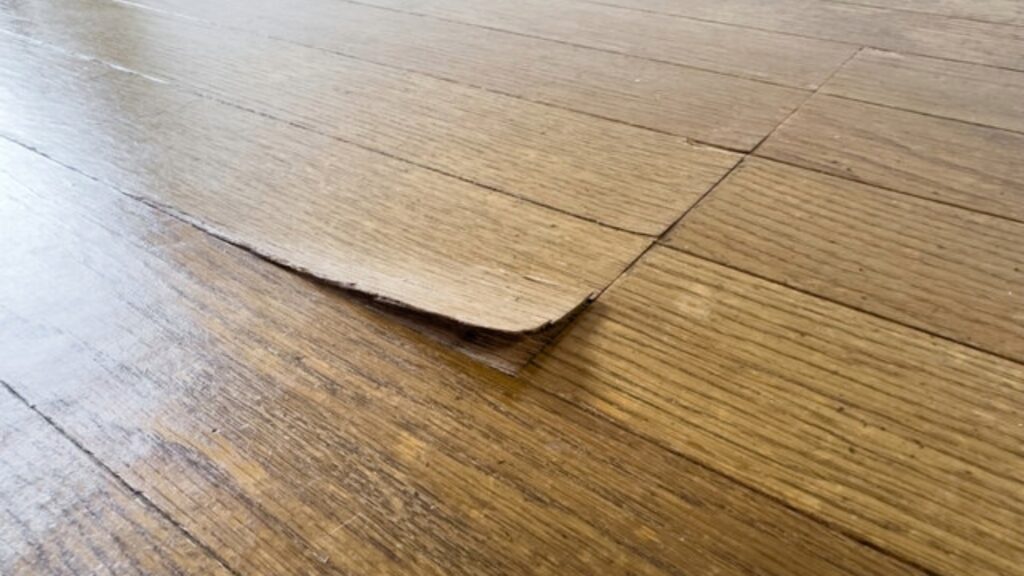
Right then, let’s get down to the nitty-gritty of why sports floors decide to throw a wobbly and buckle. It’s not magic, it’s just wood doing what wood does when it’s not happy with its surroundings. The main troublemaker? Moisture, or rather, the lack or excess of it.
When Wood Gets Too Much
Imagine you’ve just had a big drink on a hot day. You feel a bit… expanded, right? Wood’s a bit like that. When the air around it gets really damp, especially during those muggy UK summers, the wood fibres soak up that moisture. This makes the wood swell. Now, if your sports floor is laid tightly, with no room to breathe, all that swelling has to go somewhere. It pushes against its neighbours, and if there’s enough pressure, it starts to push upwards. This is how you get that dreaded summer swell, where the floor can feel a bit soft or even start to lift in places.
The Shrinking Effect: Gaps Appear
Now, flip that. When the air gets dry, like during a cold, dry winter with the heating cranked up, the wood starts to lose its moisture. It shrinks. Think of a sponge drying out – it gets smaller. As the individual planks shrink, they pull away from each other. This creates those annoying gaps you might see between the boards. It’s not that the floor is falling apart; it’s just reacting to the dry air. These gaps are a sign that the wood is losing moisture and contracting.
Expansion Gaps: A Necessary Evil?
So, why don’t we just leave massive gaps everywhere? Well, that would look pretty daft and be a trip hazard! The trick is to build in controlled expansion gaps. These are small, deliberate spaces left around the edges of the room, often hidden under skirting boards. They give the wood a bit of room to swell in the summer without pushing the whole floor up. It’s a bit like giving your guests a bit of elbow room at a dinner party – stops things getting too crowded and awkward. If these gaps aren’t installed correctly, or if they’re too small, you’re asking for trouble when the humidity changes.
The key takeaway here is that wood is a natural material, and it’s always going to react to its environment. Ignoring this natural tendency is the quickest way to end up with a damaged sports floor. It’s all about managing that moisture balance.
The Impact Of Humidity On Your Sports Surface
Right then, let’s chat about how the weather, specifically the dampness in the air, messes with your sports floor. It’s not just about feeling a bit sticky in the summer or needing an extra jumper in winter; the moisture levels have a direct effect on the wood itself. Think of wood like a sponge, but instead of soaking up spills, it absorbs and releases moisture from the air around it. This constant give and take is what causes all the drama with sports floors.
Summer Swell: The Expansion Problem
When the air gets humid, like it often does here in the UK during the summer months, the wood in your sports floor starts to drink it all in. This absorbed moisture causes the wood fibres to swell. Imagine a loaf of bread rising in the oven – it gets bigger, right? The same thing happens to your floorboards, but much more gradually. This swelling pushes the boards against each other. If there isn’t enough room for this expansion, the pressure builds up, and this is when you start seeing the floor push upwards, creating those dreaded humps and bumps. It’s like trying to cram too many things into a box; something’s got to give.
Winter Woes: The Contraction Gap
Now, flip that to winter. The air outside is cold, and when we crank up the heating indoors, the air inside becomes much drier. The wood, having absorbed moisture during the humid spells, now starts to release it back into the dry air. This causes the wood to shrink. Again, think about that loaf of bread, but this time it’s cooling down and drying out – it gets smaller. As the floorboards shrink, they pull away from each other, leaving small gaps between them. These gaps might not seem like a big deal at first, but they’re a sign that the wood is constantly changing size.
How Gaps Lead To Sports Floor Buckling Causes
So, how do these gaps and swells actually lead to buckling? It’s a bit of a domino effect. When the floor swells in humid conditions, the boards push against each other. If the installation didn’t account for this expansion, the pressure can become immense. The weakest points will give way, often causing the boards to lift or buckle upwards. Conversely, when the floor shrinks and leaves gaps, especially if there’s any moisture that gets into those gaps (like from cleaning or spills), it can cause localised swelling or uneven drying. This unevenness can also contribute to the boards warping and lifting. The constant cycle of swelling and shrinking, especially if it’s extreme or uneven, puts a lot of stress on the entire floor structure. Over time, this stress can lead to permanent damage, making the floor unstable and prone to buckling. It’s this movement of the wood that’s the real enemy here.
Recognising The Signs Of Trouble
Right then, let’s talk about spotting when your sports floor might be having a bit of a wobble. It’s not always obvious, is it? Sometimes it’s just a little niggle, other times it’s a full-blown ‘what on earth is happening?’ moment. The key is to keep an eye out for a few tell-tale signs. Ignoring these early warnings can lead to bigger, more expensive problems down the line.
Spotting Those Annoying Gaps
These are probably the most common thing you’ll notice. You know, those little lines that appear between the planks of your sports floor. They’re usually more noticeable when the air gets drier, like in winter. You might see them around the edges of the room or even between individual boards. They can look a bit like a tiny crack, and while they might seem minor, they’re a sign that the wood is shrinking.
When The Floor Starts To Lift
This is when things get a bit more serious. If you see sections of the floor starting to bulge upwards, or if the edges are lifting away from the walls, that’s a clear indicator of expansion. This usually happens when the wood has absorbed too much moisture, often during humid summer months. It’s like the wood is trying to get bigger and has nowhere to go, so it pushes up.
The Subtle Hints Of Sports Floor Buckling Causes
Sometimes, the signs aren’t as obvious as big gaps or lifting. You might notice:
- Unevenness: The floor might feel a bit lumpy or uneven underfoot when you’re walking or playing.
- Creaking noises: As the wood expands and contracts, it can rub against itself, causing squeaks and creaks that weren’t there before.
- Damage to surrounding areas: If the floor is pushing outwards, it can sometimes put pressure on skirting boards or even walls.
It’s easy to dismiss these little things, especially if you’re busy. But think of your sports floor like a living thing – it breathes and reacts to its environment. Paying attention to these subtle changes is like listening to its needs before it starts shouting for help. A bit of regular checking can save you a lot of hassle.
Preventing Gaps And Buckling
Right then, let’s talk about stopping those pesky gaps and that annoying buckling from messing with your sports floor. It’s not rocket science, but it does take a bit of know-how and some consistent effort. The good news is, with the right approach, you can keep your floor looking and performing its best for ages.
Controlling The Environment
This is probably the biggest one. Wood, as we’ve chatted about, is a bit like a sponge when it comes to moisture. So, keeping the humidity levels steady is key. Think of it like trying to keep a plant happy – too much or too little water, and it starts to look sad. Your floor’s the same.
- Aim for a stable humidity level. The ideal range is usually between 40% and 60% relative humidity. Anything outside this for too long will cause problems.
- Use a good quality dehumidifier and humidifier. Depending on the season, you might need one or both. Don’t just guess; get a hygrometer to actually measure the humidity. They’re not expensive.
- Keep an eye on temperature too. Big temperature swings can also affect the wood. Try to keep things fairly consistent, ideally between 18°C and 22°C.
The goal here is to minimise the drama for the wood. By keeping the air around it as stable as possible, you’re telling the wood, ‘Hey, relax, you don’t need to go through all those expansion and contraction cycles.’
Proper Installation Matters
This might sound like it’s too late if your floor is already down, but it’s super important for new installations or if you’re having work done. The way the floor is put down makes a massive difference down the line.
- Expansion Gaps are Non-Negotiable: Even with the best environmental control, a properly installed floor will have small, built-in expansion gaps around the edges. These are designed to give the wood somewhere to go when it swells. If the installer skips these or makes them too small, you’re asking for trouble.
- Subfloor Prep is Crucial: The surface underneath needs to be flat, dry, and stable. Any issues with the subfloor can transfer up to the sports surface itself.
- Choose the Right Fixings: Depending on the type of sports floor, the method of fixing it down (glued, nailed, etc.) needs to be appropriate for the wood and the expected movement.
Maintenance Tips For Longevity
Once your floor is in and looking good, a bit of regular TLC goes a long way. It’s not just about sweeping up; it’s about being mindful of what’s happening.
- Regular Cleaning: Stick to the manufacturer’s cleaning guidelines. Usually, this means a damp mop, not a soaking wet one, and using approved cleaning solutions. Avoid harsh chemicals.
- Protect from Water Spills: Wipe up any spills immediately. Water is the enemy of a wooden floor, especially if it sits there.
- Manage Foot Traffic: Ask people to use clean, non-marking sports shoes. Mud, grit, and even certain types of outdoor shoe soles can damage the finish and track in moisture.
- Check for Wear and Tear: Periodically inspect the floor for any signs of damage, loose boards, or excessive wear. Catching small issues early can prevent them from becoming big, expensive problems.
To keep your sports hall floor looking its best and performing well, it’s important to prevent any unwanted gaps or buckling. These issues can not only look bad but also create safety hazards. We’ve got the know-how to ensure your flooring stays smooth and secure. For expert advice and solutions, visit our website today!
So, What’s the Takeaway?
Right then, hopefully, that’s cleared things up a bit about why your sports floor might be looking a bit wonky. It’s basically down to the British weather – all that changing humidity playing havoc with the wood. It expands when it’s damp and shrinks when it’s dry, and those gaps are just the floor telling you it needs a bit of breathing room. So, next time you see a gap or a bit of a hump, don’t panic. It’s usually just the floor doing its thing in response to the air. Keeping an eye on humidity levels is key, and if you’re ever unsure, it’s always best to chat with a pro. They’ll know exactly what to do to keep your floor looking its best, no matter what the weather throws at it.
Frequently Asked Questions
Why does my wooden sports floor get bigger and smaller?
Basically, wood is a bit like a sponge! It soaks up moisture from the air. When it’s damp, it swells up. When it’s dry, it shrinks. The UK’s weather is famous for changing its mind, so the air can go from really humid to quite dry, making the wood do its expanding and shrinking act.
What’s this ‘buckling’ thing I hear about?
Imagine pushing a big rug into a corner – it starts to bunch up, right? Buckling is similar. When the wooden floorboards try to spread out because they’ve soaked up too much moisture, but they don’t have enough room, they push against each other and start to lift or warp. It makes the floor look all bumpy.
So, are gaps in my floor a bad sign?
Not always! Small gaps can actually be a good thing. They’re left on purpose during installation. These gaps give the wood space to expand when it gets a bit damp, stopping it from buckling later on. It’s like leaving a little breathing room for the floor.
How does the UK’s weather mess with my sports floor?
The UK weather is super changeable! We get lots of rain and damp air, especially in winter, which makes the wood swell. Then, when the heating comes on in summer or during dry spells, the air gets drier, and the wood shrinks. This constant back-and-forth is what causes the problems.
Can I stop my floor from getting gaps or buckling?
You can’t stop the weather, but you can try to keep the air around your floor more stable. Using a dehumidifier or humidifier can help. Making sure the floor was put in properly with enough room for movement is also a big deal. Regular check-ups are good too!
What should I look out for if I’m worried about my sports floor?
Keep an eye out for any new gaps appearing between the boards, especially if they seem to be getting bigger. If you notice any parts of the floor lifting up, looking uneven, or feeling soft, that’s a definite sign something’s not right and it might be starting to buckle.