Ever wondered why those scuff marks keep appearing on your squash court walls? It’s not just about looks; it can actually affect how long your walls last. Turns out, what happens on the floor has a big impact upstairs. We’re going to chat about how keeping your squash court floor in good nick can save your walls a whole lot of bother and keep the game going smoothly.
Key Takeaways
- Those marks on the walls? They’re often caused by your shoes and the state of the floor. Different footwear can leave different kinds of marks.
- A clean floor means fewer things flying off and hitting the walls, and it stops dirt from getting ground in.
- Regular sweeping and wiping up spills are simple but make a big difference for your squash court floor maintenance.
- The type of floor you have and how grippy it is can change how players move, which in turn affects wall scuffs.
- Good squash court floor maintenance isn’t just about tidiness; it’s a smart way to look after your court walls and save money on repairs down the line.
Understanding Wall Scuffs: More Than Just A Mark
The Culprits Behind Those Pesky Scuffs
Right, let’s talk about those annoying marks that seem to appear on your squash court walls out of nowhere. They’re not just a bit of dirt, are they? Often, these scuffs are actually bits of rubber or other material from your shoes that have transferred onto the wall surface. Think about it: when you’re lunging for a shot, sliding, or just making quick turns, the soles of your trainers are rubbing against the wall. The harder you play, the more likely you are to leave a mark. It’s a natural part of the game, but it’s good to know what’s actually causing them.
Why Scuffs Matter For Your Squash Court
So, why should we even bother about these scuffs? Well, they’re more than just an eyesore. Over time, a build-up of these marks can actually start to affect the wall’s surface. It’s not just about looking a bit grubby; it can make the walls harder to clean properly. Plus, if you’re not keeping on top of them, they can sometimes indicate that something else might be going on, like the wrong kind of footwear being used or even issues with the court floor itself.
The Link Between Footwear And Wall Damage
This is a big one. The type of shoes you wear on court makes a massive difference. Trainers with really grippy rubber soles, especially if they’re a bit worn down, are prime candidates for leaving scuff marks. It’s that friction, you see. Some materials just transfer more easily than others. It’s not just about the shoe itself, though; it’s also about how you move. Quick, sharp movements can really grind those sole materials into the wall.
Here’s a quick rundown of what to look out for:
- Soles: Look for shoes with non-marking soles if possible. Some rubber compounds are just more prone to scuffing.
- Wear and Tear: Old, worn-out shoes might have bits of rubber that break off more easily.
- Movement: Aggressive footwork, while great for the game, naturally increases contact with the walls.
It’s easy to blame the walls when they get marked, but often, the source of the problem is right there on your feet. Paying attention to your footwear is a simple yet effective step in keeping your court looking its best.
The Crucial Role Of Squash Court Floor Maintenance
Right then, let’s talk about the floor. It might seem obvious, but how you look after your squash court’s floor has a surprisingly big knock-on effect on those walls. We’re not just talking about making the place look nice; we’re talking about keeping those walls in good nick for longer. It’s easy to forget about the floor when you’re focused on the game, but it’s actually a bit of a silent hero – or villain, depending on how you treat it.
Keeping Your Squash Court Floor Pristine
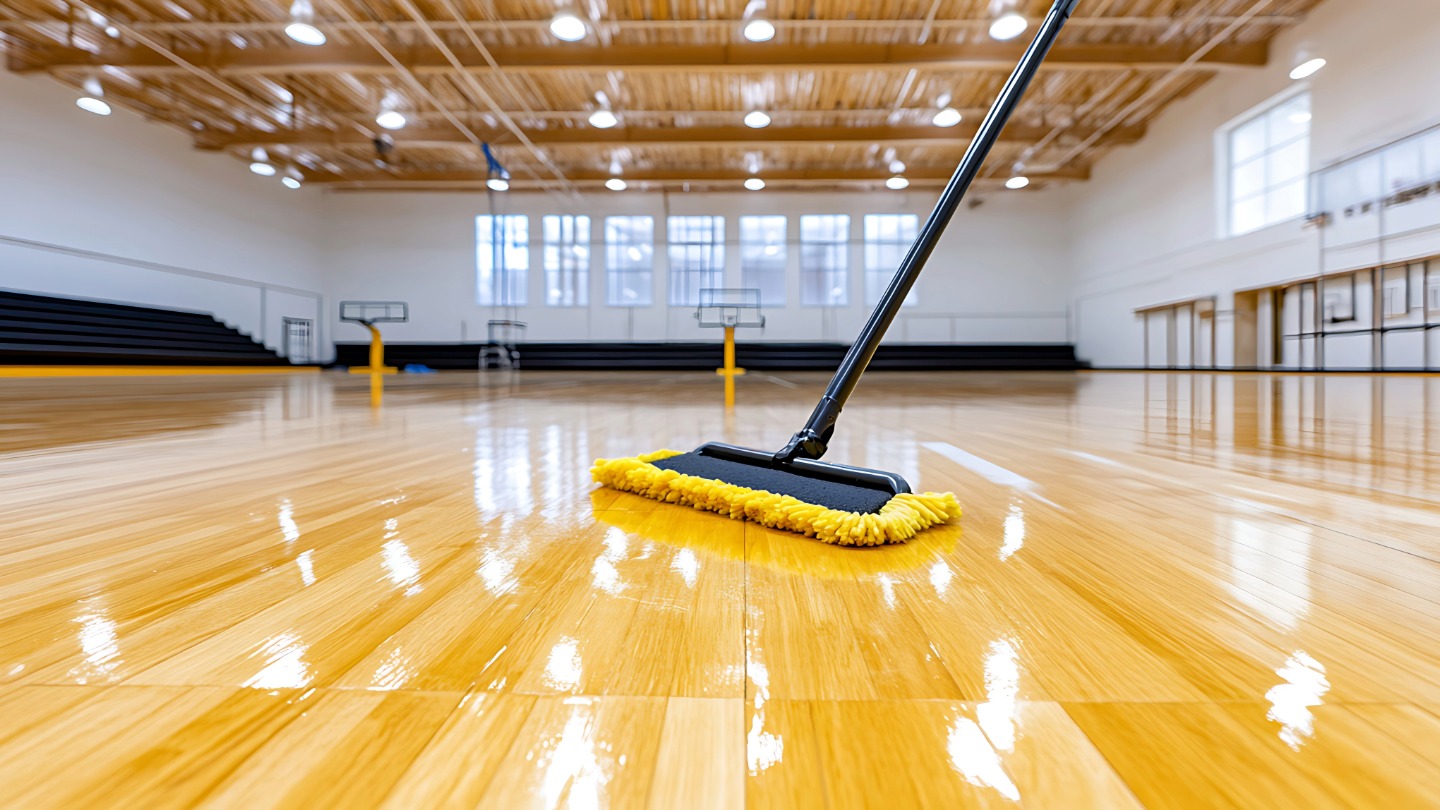
So, what does ‘pristine’ even mean for a squash court floor? It’s not about having it spotless like a hospital operating theatre, but it does mean keeping it free from the stuff that causes problems. Think about it: dust, grit, bits of rubber from shoes, maybe even a stray bit of sweat or a spilled drink. All this gunk can build up. Regular sweeping is your first line of defence. Seriously, just a quick sweep after a session can make a world of difference. It stops dirt from getting ground in and becoming a real pain to shift later.
How Floor Cleanliness Impacts The Walls
This is where it gets interesting. When the floor is dirty, especially with gritty stuff, what happens when players slide or pivot? That grit gets dragged around, acting like sandpaper on the walls. Over time, this constant abrasion wears down the wall surface, leading to those scuffs we were talking about earlier. It’s not just about looks; it’s about the physical damage. Plus, if you’ve got sticky spills on the floor, players might track that residue onto the walls, which can also attract more dirt and make things worse. A clean floor means less friction and less unwanted transfer of material to your walls.
Choosing The Right Floor Care Products
Now, you can’t just go blasting the floor with any old cleaner. Some products can leave a residue that makes the floor slippery, which is a safety hazard, and can also contribute to wall scuffing if it transfers. You want cleaners that are specifically designed for sports flooring, especially squash courts. These are usually pH-neutral and designed to clean effectively without leaving anything behind that could harm the floor’s grip or, by extension, the walls. Always check the manufacturer’s recommendations for your specific flooring type. Using the wrong stuff is a bit like trying to fix a leaky tap with chewing gum – it’s just not going to end well.
Think of your floor as the foundation for everything else in the court. If the foundation is shaky or dirty, the whole structure suffers. It’s a simple concept, but one that’s often overlooked in the heat of the game.
Preventing Scuffs Through Smart Flooring Practices
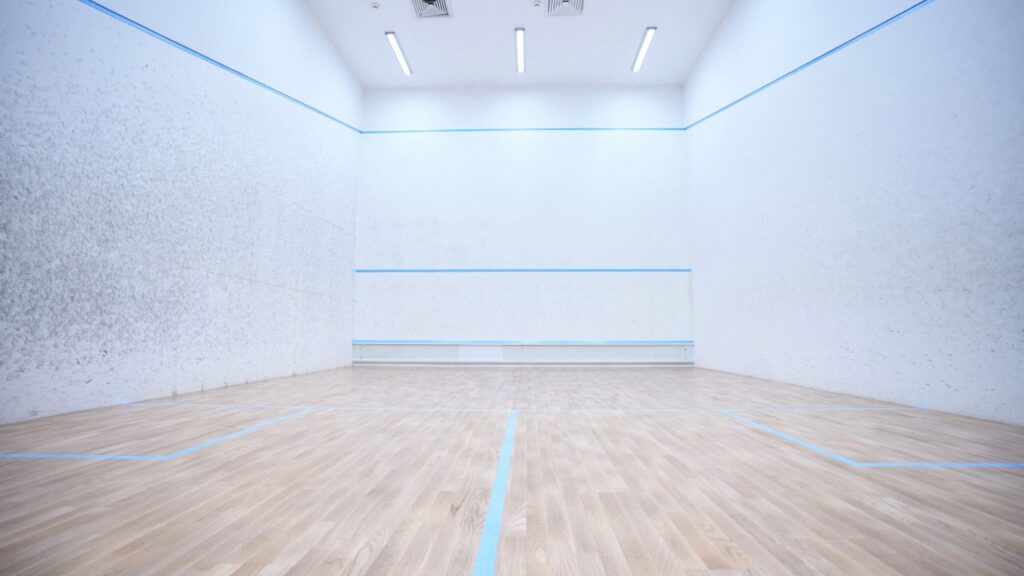
Right then, let’s talk about keeping those squash court walls looking tip-top by looking after the floor. It might seem a bit obvious, but the state of your court’s floor has a massive impact on those walls. We’re not just talking about making the place look nice; we’re talking about stopping those annoying scuffs before they even start.
The Importance Of Regular Floor Sweeping
Honestly, this is the first line of defence. You’d be surprised how much grit and dust can build up on a squash court floor. This stuff isn’t just unsightly; it’s like sandpaper waiting to happen. When players move, especially with quick turns and slides, that loose debris gets dragged around. And guess where it ends up? Yep, rubbing against the walls. Consistent sweeping removes these abrasive particles, significantly reducing the chances of them marking or damaging the wall surface. Think of it as a daily tidy-up that saves you bigger headaches later.
Dealing With Spills And Debris Swiftly
Spills are a bit of a nightmare on any sports surface, and a squash court is no exception. Whether it’s a dropped water bottle, sweat, or something else entirely, liquids can make the floor sticky. This stickiness means players might drag their feet more, leading to scuffs. Worse still, some liquids can actually react with wall finishes over time. So, the moment something spills, get it cleaned up. Don’t let it sit there. Same goes for any bits of equipment or general rubbish that might find its way onto the court. A quick wipe-down or sweep makes a world of difference.
Implementing A Consistent Squash Court Floor Maintenance Schedule
This is where you move from reactive cleaning to proactive prevention. Having a set routine for floor care is key. It means everyone knows what needs doing and when. It doesn’t have to be complicated, but it does need to be followed.
Here’s a basic idea of what a schedule might look like:
- Daily: Quick sweep of the court after play. Wipe up any obvious spills immediately.
- Weekly: A more thorough clean with a recommended floor cleaner. Check for any areas that need special attention.
- Monthly/Quarterly: Depending on usage, a deeper clean or even a light polish might be needed. Consult your flooring manufacturer’s guidelines.
Sticking to a schedule means you’re constantly managing the surface, preventing small issues from becoming big problems. It’s about being organised and thinking ahead.
By taking these simple steps with your squash court floor, you’re not just keeping it clean; you’re actively protecting your walls and making sure the court stays in great condition for longer. It’s a win-win, really.
The Impact Of Flooring Choices On Wall Wear
Different Floor Materials And Their Tendencies
So, you’ve got your eye on a new squash court, or maybe you’re thinking about a refurb. The floor is a big deal, obviously, for how the game plays. But did you know it actually has a say in how long your walls stay looking good? It’s true. Different floor materials have different properties, and these can directly affect the walls. For instance, a really grippy floor might make players stop and start more abruptly, leading to more scuffs. On the flip side, a slicker surface could mean players slide more, potentially transferring more dirt and rubber from their shoes onto the walls.
Think about it like this:
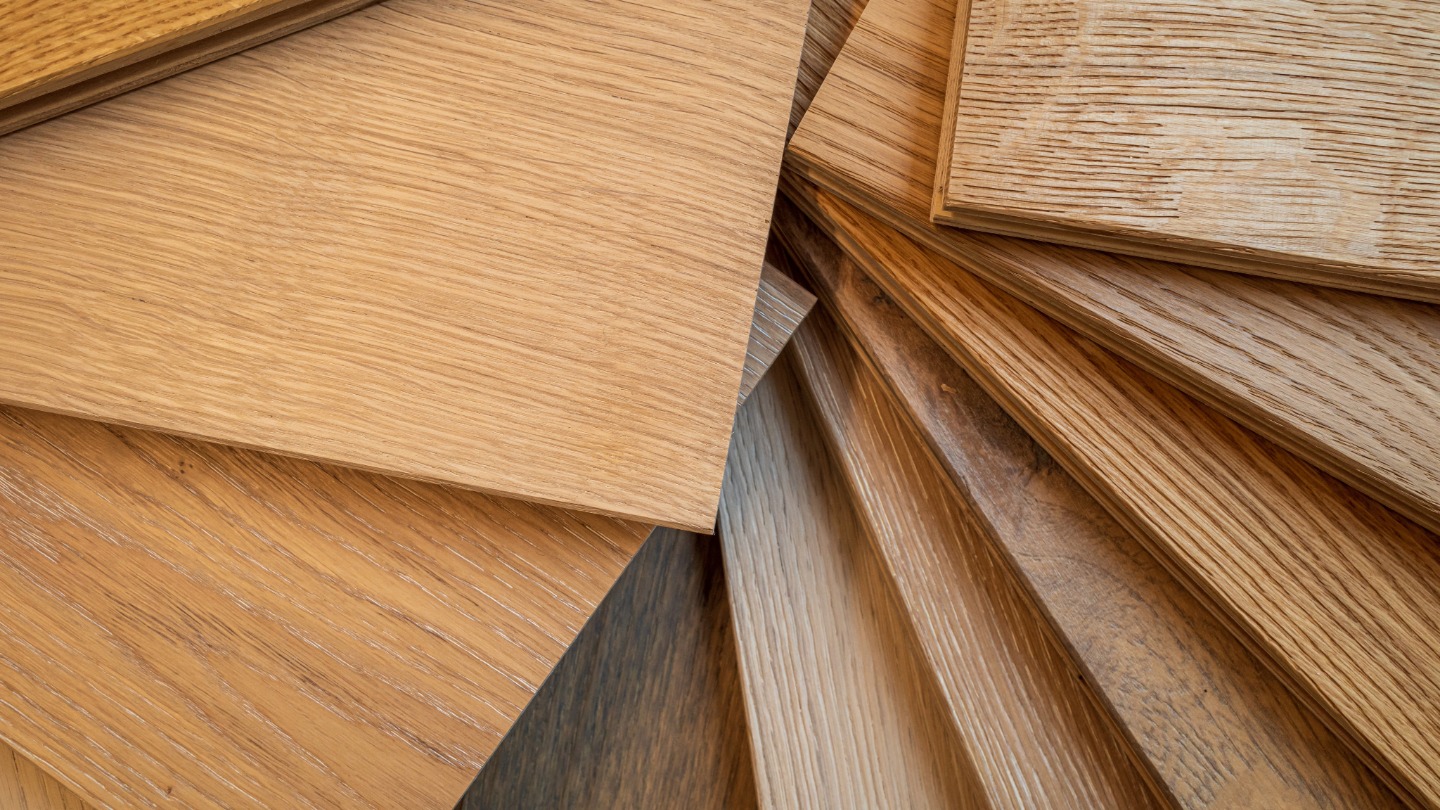
- Wood Floors: Often favoured for their feel, but can sometimes be a bit unforgiving if not maintained. They can hold onto dust and grit.
- Synthetic/Vinyl Floors: These are generally pretty durable and easier to clean, which is a plus for wall longevity. However, some can be very sticky.
- Rubber Floors: Great for shock absorption, but the rubber itself can sometimes wear down and transfer to the walls.
How Floor Grip Affects Player Movement
The amount of grip your court floor provides is a bit of a balancing act. Too little, and players might slip and slide uncontrollably, which isn’t safe and can lead to awkward impacts. Too much, and every little movement becomes a sharp, sudden stop. These sharp stops are a prime suspect for creating those annoying wall scuffs. When a player plants their feet hard to change direction, the friction can drag shoe material right onto the wall surface. It’s not just about the shoes themselves; it’s about how the floor interacts with those shoes during high-intensity play.
Considering Floor Treatments For Wall Protection
This is where things get interesting. You can actually treat your squash court floor to help protect the walls. It sounds a bit counter-intuitive, right? Treating the floor to save the walls? But it makes sense. Some treatments can reduce the amount of residue left behind by shoes. Others might slightly alter the surface grip, making those sudden stops a little less aggressive. It’s about finding a treatment that works with your floor material and your players’ typical movements.
You might think that a floor’s main job is just to be a surface to play on, but it’s much more than that. The right floor, and how you look after it, can genuinely make a difference to how often you’re looking up at your walls thinking, ‘Oh dear, another mark to deal with.’ It’s all connected, really.
Long-Term Wall Health: A Flooring Perspective
So, we’ve talked a lot about how keeping your squash court floor in good nick actually helps your walls stay looking sharp. It’s not just about making the place look tidy, you know. It’s about saving yourself a headache and a fair bit of cash down the line.
Investing In Proper Squash Court Floor Maintenance
Think of your floor maintenance like looking after your car. You wouldn’t just ignore it until it breaks down, would you? Same goes for the court floor. A bit of regular attention stops small issues from turning into big, expensive problems. This means:
- Regular Sweeping: Get rid of dust and grit that can get ground into the floor and then flicked up onto the walls. A good quality broom or a dedicated court sweeper makes a world of difference.
- Prompt Spill Cleanup: Drinks, sweat, whatever it is – mop it up straight away. Sticky stuff can attract more dirt and make the floor harder to clean later.
- Using the Right Cleaners: Not all cleaning products are made equal. Using something too harsh can damage the floor’s finish, making it more prone to scuffing and less forgiving on the walls.
Reducing The Need For Costly Wall Repairs
Honestly, nobody wants to be shelling out for wall repairs. It’s a pain, and it takes the court out of action. By being smart about your floor, you’re basically putting a shield around your walls. Less friction from the floor means less chance of those nasty scuffs appearing. A well-maintained floor is your first line of defence against wall damage. It’s a simple equation, really: cleaner floor, happier walls.
Ensuring A Better Playing Experience For Everyone
At the end of the day, it’s all about the game, isn’t it? A court that’s looked after properly just feels better to play on. The ball bounces true, your feet feel secure, and you’re not constantly worried about marking the walls. Players notice these things. A pristine court, from floor to ceiling, shows you care about the sport and the people playing it. It makes for a more enjoyable time for everyone involved, from casual players to serious competitors.
Keeping your squash court floor in tip-top condition isn’t just about aesthetics; it’s a practical strategy for extending the life of your walls and ultimately, saving money. It’s a win-win for the court and the players.
Keeping your walls in top shape is key for a long-lasting sports hall. The right flooring plays a big part in this, protecting your walls from impacts and wear. Want to know more about how we can help keep your sports facility looking its best for years to come? Visit our website today to explore our solutions!
So, What’s the Takeaway?
Right then, we’ve chatted about how the floor can really mess with your squash court walls if you’re not careful. It’s not just about making the place look nice; it’s about stopping those scuffs from turning into bigger problems down the line. Keeping on top of your flooring maintenance, even the little things, means your walls will thank you for it and last a good deal longer. Think of it as a bit of a team effort between the floor and the walls – look after one, and the other stays in better shape. It really does make a difference, honestly.
Frequently Asked Questions
What actually causes those annoying marks on the squash court walls?
Most of the time, it’s your shoes! When you’re running around, the rubber soles can leave marks. Sometimes, it’s also from equipment like racquets or even dirt that gets tracked onto the court. It’s like a little bit of your shoe sticks to the wall every time you slide or pivot.
Why should I care about wall scuffs? They’re just marks, right?
Well, those marks aren’t just ugly; they can actually weaken the wall over time. If the scuffs are deep or happen a lot, they can chip away at the paint and even the wall surface itself. This means you might end up needing costly repairs down the line, which nobody wants!
How does keeping the court floor clean help the walls?
Think of it this way: a dirty floor means dirt and grit are everywhere. When you move, that grit can get kicked up and scratch the walls. Also, if there are spills that aren’t cleaned up, they can make the floor sticky, leading to more shoe marks on the walls when players try to get good grip.
What’s the best way to clean the squash court floor?
The simplest thing is to sweep it regularly to get rid of loose dust and debris. For tougher stuff, use a floor cleaner that’s made for sports courts – you don’t want anything too harsh that could damage the floor or make it slippery. A good mop with the right cleaner is usually all you need.
Does the type of floor material make a difference to wall scuffs?
Definitely! Some floor materials are grippier than others. If a floor is super grippy, players might slide less but could potentially drag their shoes more, leading to different kinds of scuffs. Also, older or worn-out floors might contribute more to scuffing than a well-maintained one.
So, if I look after the floor, my walls will last longer?
Absolutely! By keeping the floor clean and tidy, and using the right maintenance routine, you’re reducing the chances of dirt and grit damaging the walls. This means fewer scuffs, less wear and tear, and ultimately, your squash court walls will stay looking good and be less likely to need expensive fixes.