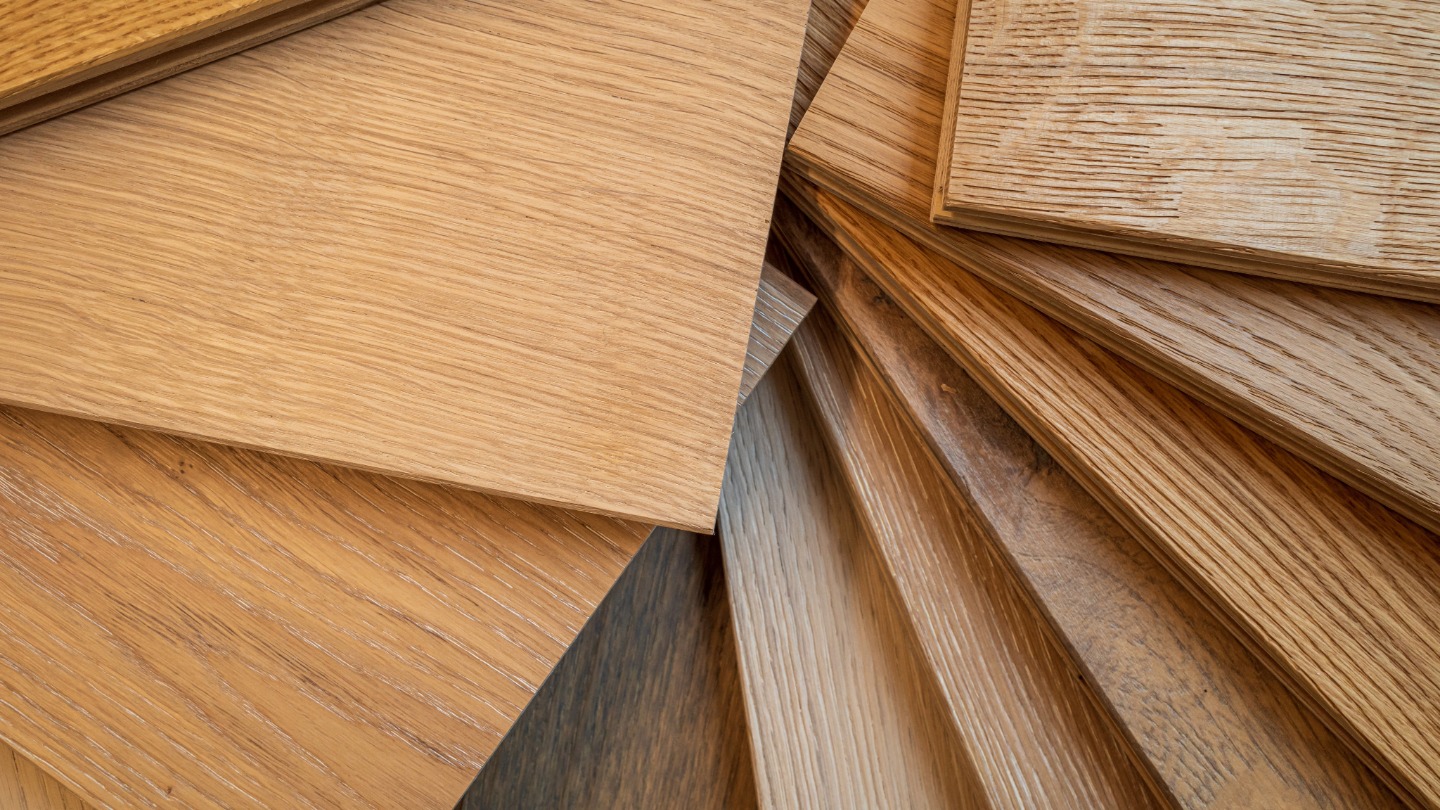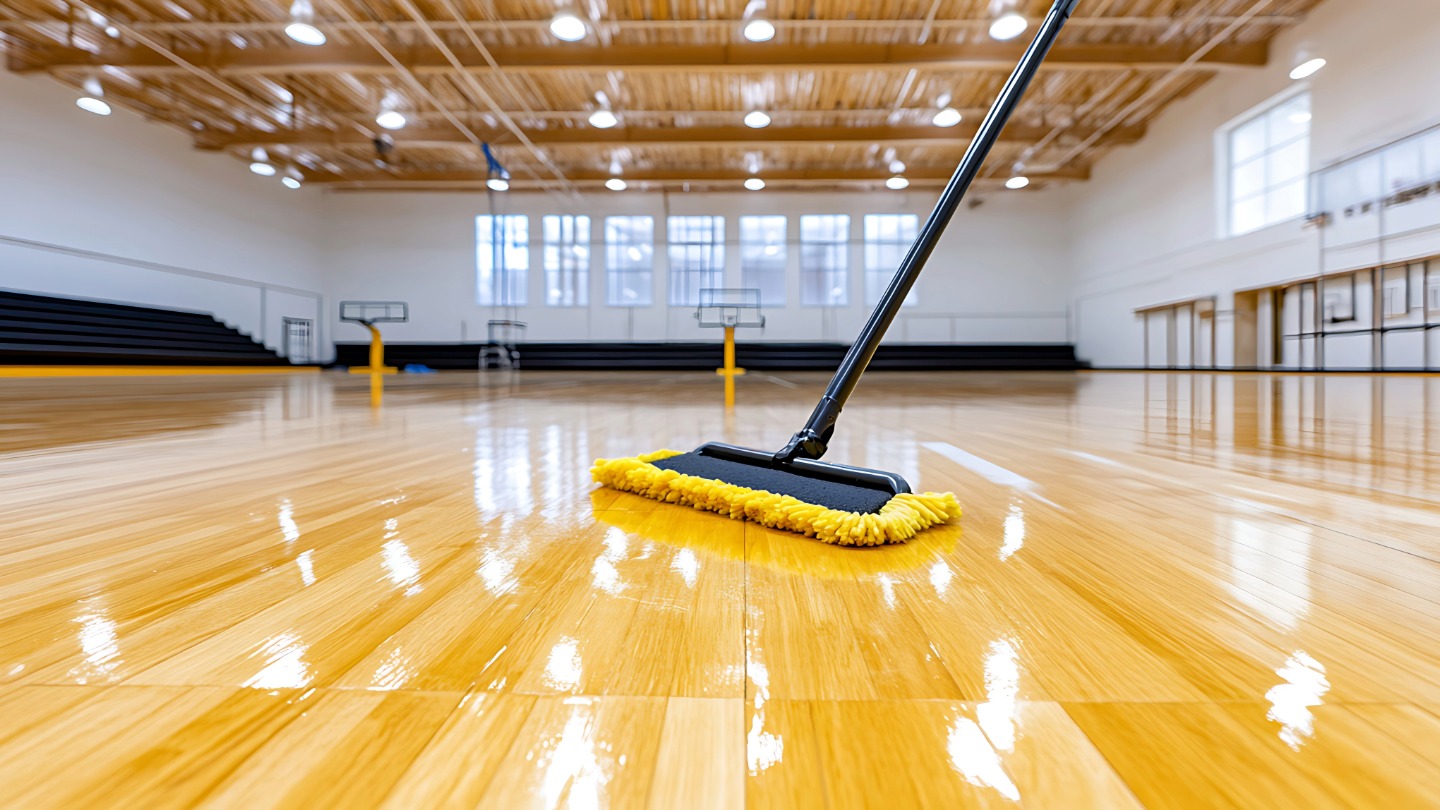
So, you’re looking into getting your sports hall floor sorted, eh? It’s a big job, and picking the right finish is more important than you might think. We’re talking about sports hall floor lacquers here, and there are two main types: water-based and solvent-based. They might look similar once they’re down, but the way they’re made and how they perform is quite different. Let’s break down what you need to know before you make a choice.
Key Takeaways
- Water-based sports hall floor lacquers are generally better for the environment, releasing fewer fumes during application.
- Solvent-based lacquers are known for being really tough and can handle heavy use, making them a traditional favourite for busy courts.
- Drying times differ a lot; water-based finishes dry much faster, meaning less downtime for your hall.
- When picking a lacquer, think about how the hall is used, your budget, and any safety rules you need to follow.
- Getting the floor prepped properly before applying any sports hall floor lacquers is super important for a good, lasting result.
Understanding Sports Hall Floor Lacquers: The Basics
What Exactly Are Sports Hall Floor Lacquers?
Right then, let’s get down to brass tacks. When we talk about sports hall floor lacquers, we’re not just talking about any old varnish you’d slap on your skirting boards. These are specially formulated coatings designed to protect and enhance the surfaces of sports halls. Think of them as the ultimate shield for your court, whether it’s for basketball, netball, badminton, or even just a general-purpose hall. They’re applied in multiple layers to create a tough, durable finish that can stand up to a serious amount of punishment. The right lacquer is key to keeping your sports floor looking good and performing well for years.
Why Are They So Important for Sports Halls?
So, why all the fuss about lacquers? Well, sports halls get a hammering, don’t they? You’ve got trainers squeaking, balls bouncing, people running, jumping, and sometimes, unfortunately, sliding. All this action can really wear down a floor. Lacquers do a few vital jobs:
- Protection: They act as a barrier against scratches, scuffs, and general wear and tear. This stops the actual wood or synthetic surface underneath from getting damaged.
- Safety: A good lacquer provides the right amount of grip. Too slippery and you’ve got injuries waiting to happen; too sticky and players can’t move freely. It helps maintain that perfect balance.
- Appearance: Let’s be honest, a well-lacquered floor looks fantastic. It brings out the natural beauty of the wood or gives a uniform, clean look to synthetic surfaces, making the whole hall feel more professional and inviting.
- Maintenance: A sealed surface is much easier to clean. Spills and dirt don’t soak in as easily, meaning less elbow grease is needed to keep things tidy.
Without a proper lacquer system, a sports hall floor would quickly become a sorry state. It’s the unsung hero that keeps the game going and the hall looking its best, day in and day out. It’s not just about making it look pretty; it’s about making it work properly and safely for everyone who uses it.
Water-Based Lacquers: A Greener Approach
Right then, let’s chat about water-based lacquers. These have really come into their own over the last few years, and for good reason. They’re often seen as the more eco-friendly option, which is a big plus for schools, community centres, and anywhere that’s a bit more conscious about its environmental footprint. They’re formulated using water as the main solvent, which means fewer nasty fumes and a much nicer working environment.
The Environmental Benefits
So, what makes them greener? Well, it’s pretty straightforward. Because they use water, the volatile organic compound (VOC) levels are significantly lower compared to their solvent-based cousins. This means less pollution going into the air, which is better for everyone’s lungs, including the folks applying the lacquer and the people who will eventually use the hall. It also means less of that strong, lingering chemical smell that can hang around for days. Plus, cleanup is usually a doddle – just soap and water, no need for harsh thinners.
Performance and Durability
Now, you might be thinking, ‘Greener must mean weaker, right?’ Not at all! Modern water-based lacquers are seriously tough. They’ve come a long way from the early days. They offer excellent resistance to scuffs, scratches, and general wear and tear, making them perfectly suited for the high-traffic environment of a sports hall. They dry to a hard, durable finish that can stand up to the demands of everything from basketball games to badminton tournaments. The key is often in the formulation – many use advanced acrylic or polyurethane technologies.
Drying Times and Application
One of the biggest advantages here is the drying time. Water-based lacquers typically dry much faster than solvent-based ones. This is a massive win when you’re trying to get a sports hall back in action with minimal downtime. You can often apply multiple coats in a single day, which can really speed up the whole project. Application is generally straightforward, though like any good finish, it requires a bit of care and attention to detail. You’ll want to make sure the surface is prepped properly, which we’ll get to later.
Here’s a quick rundown of what to expect:
- Faster Drying: Usually touch-dry within an hour or two, recoatable in a few hours.
- Lower Odour: Much more pleasant to work with and for hall users.
- Good Durability: Modern formulations are very hard-wearing.
- Easier Cleanup: Water and mild detergent are often all you need.
While water-based lacquers are a fantastic choice for many situations, especially where health and environmental concerns are paramount, it’s always worth checking the specific product’s technical data sheet. Different brands and formulations will have slightly varying performance characteristics, so picking the right one for your specific needs is important.
Solvent-Based Lacquers: The Traditional Choice
Right then, let’s talk about the old guard of sports hall floor finishes: solvent-based lacquers. For ages, these were pretty much the only game in town, and for good reason. They’ve got a reputation for being tough cookies, and honestly, they often live up to it.
Strength and Resilience
When you think of a really hard-wearing finish, solvent-based lacquers often come to mind first. They create a really solid, protective layer on the wood. This means they can stand up to a lot of punishment, which is exactly what you need in a busy sports hall. Think about all the running, jumping, and sliding that goes on – these lacquers are designed to take that kind of wear and tear.
They form a very durable film that’s resistant to scuffs and general damage. This makes them a solid choice if you’ve got a hall that’s used day in and day out for various sports and events.
Application Considerations
Now, applying these isn’t quite as straightforward as some of the newer options. Because they’re solvent-based, you’ve got to be a bit more careful. The fumes can be pretty strong, so good ventilation is an absolute must. We’re talking open doors and windows, maybe even fans, especially if you’re working in a confined space. It’s not something you’d want to do while people are around, that’s for sure.
- Ventilation: Always ensure the area is well-ventilated. This is non-negotiable for safety.
- Drying Time: They tend to take a bit longer to dry and cure compared to water-based alternatives. Patience is key here.
- Equipment: You’ll need the right rollers and applicators, and cleaning up afterwards means using specific solvents.
Applying solvent-based lacquers requires a bit more planning. You need to factor in the drying times between coats and the time it takes for the floor to fully cure before it can be used again. This can mean the hall is out of action for longer periods.
Longevity on the Court
One of the big selling points for solvent-based lacquers has always been how long they last. When applied correctly and maintained reasonably well, they can offer a really long service life. They don’t tend to yellow or degrade as quickly under certain conditions as some other finishes might. This means fewer recoats over the years, which can save on labour and material costs in the long run, even if the initial application is a bit more involved.
They’re known for their ability to maintain their protective qualities for a good stretch, keeping the sports hall floor looking good and performing well for a considerable time between major refurbishments.
Key Differences in Performance
Right then, let’s get down to the nitty-gritty. When you’re picking a lacquer for a sports hall, it’s not just about how it looks when it’s first put down. You’ve got to think about how it’s going to hold up over time, especially with all the running, jumping, and general chaos that goes on in these places. The main differences between water-based and solvent-based really show up here.
Scratch and Wear Resistance
This is a big one. Sports halls get hammered, right? Shoes scuffing, equipment being dragged, the works. Solvent-based lacquers have traditionally been seen as the tougher option here. They tend to form a harder, more resilient surface that can take a beating. Water-based ones have come a long way, though. Many modern formulations are surprisingly tough and can stand up really well to daily wear and tear. It really depends on the specific product and how many coats you apply.
- Solvent-based: Generally offers superior scratch resistance due to its harder finish.
- Water-based: Modern versions are very good, but might show minor scuffs slightly sooner than the toughest solvent options.
Chemical and Stain Protection
Spills happen. Drinks, sweat, cleaning products – they can all leave their mark. Both types of lacquer offer a good level of protection, but again, there can be differences. Solvent-based finishes often create a more impermeable barrier, making them a bit more resistant to things like sweat or certain cleaning chemicals seeping in. Water-based finishes are also good, but you might want to wipe up spills a bit quicker just to be safe.
You want a finish that shrugs off sweat and the odd dropped water bottle without a fuss. It’s all about keeping that court looking sharp, game after game.
UV Stability and Colour Retention
Nobody wants a sports hall floor that fades or yellows over time, especially if you’ve got specific court markings. Solvent-based lacquers can sometimes be prone to yellowing, particularly if they’re exposed to a lot of sunlight or certain types of artificial lighting. Water-based lacquers, especially those with good UV inhibitors, tend to hold their colour much better and resist that unwanted yellowing effect. This means your court lines stay crisp and bright for longer.
| Feature | Solvent-Based Lacquer | Water-Based Lacquer |
|---|---|---|
| Scratch Resistance | Excellent | Very Good to Excellent (product dependent) |
| Stain Resistance | Excellent | Very Good |
| Yellowing (UV Exposure) | Can be prone to yellowing over time | Generally resistant to yellowing |
Choosing the Right Sports Hall Floor Lacquer
Considering Your Hall’s Usage
So, you’ve got your sports hall floor, and now it’s time to pick the right lacquer. It’s not a one-size-fits-all situation, you know? The biggest thing to think about is how the hall is actually used. Is it a busy place with constant games, training sessions, and maybe even the odd community event? Or is it more of a quiet gym with lighter use?
- High-Traffic Areas: If you’ve got a hall that’s buzzing with activity every day – think basketball, five-a-side football, netball, and maybe even the school’s annual play – you’ll need a lacquer that can really take a beating. We’re talking serious durability here. Solvent-based lacquers often shine in these situations because they’re tough cookies.
- Moderate Use: For halls with a bit less going on, perhaps a local club or a school with fewer sports programmes, a good quality water-based lacquer might be perfectly fine. You still want it to last, but the demands aren’t quite as extreme.
- Light Use / Multi-Purpose: If the hall is used for less demanding activities, like yoga classes, dance, or just general assemblies, you might have more flexibility. Even some of the more eco-friendly water-based options could do the job nicely.
The key is matching the lacquer’s resilience to the floor’s daily grind.
Budget and Maintenance Factors
Let’s be real, cost is always a factor, isn’t it? When you’re looking at lacquers, you’ve got to think about the upfront price, but also what it’s going to cost to keep it looking good over time. Some lacquers might seem cheaper to buy, but if they wear out quickly and need re-coating more often, you’ll end up spending more in the long run. Plus, think about the downtime – every time you need to re-lacquer, the hall is out of action, and that means lost revenue or disrupted schedules.
- Initial Cost: Solvent-based lacquers can sometimes have a higher initial price tag, but their longevity can make them more cost-effective over many years. Water-based options can vary wildly in price depending on their quality and performance.
- Maintenance Needs: How easy is it to clean and maintain the floor? Some finishes are more resistant to scuffs and stains, meaning less intensive cleaning and fewer touch-ups. Consider the cost of cleaning products and the labour involved.
- Re-coating Frequency: A more durable lacquer will need re-coating less often. This saves money on materials and, importantly, minimises the time the hall is unavailable.
It’s a bit like buying a car; the cheapest option upfront might not be the best value when you factor in fuel, insurance, and repairs down the line. You want something that’s reliable and won’t break the bank with constant upkeep.
Health and Safety Regulations
This is a big one, especially if you’re dealing with schools, public facilities, or anywhere people are exercising. You’ve got to make sure whatever lacquer you choose meets all the relevant health and safety standards. This often comes down to VOCs (Volatile Organic Compounds) – basically, the fumes released as the lacquer dries.
- VOC Levels: Water-based lacquers generally have much lower VOC levels than solvent-based ones. This means better air quality during and after application, which is a huge plus for anyone using the hall, especially kids.
- Slip Resistance: The lacquer needs to provide adequate grip for sports. Most professional lacquers are tested for this, but it’s always worth double-checking the specifications to make sure it meets the required safety standards for sports flooring.
- Allergens and Sensitivities: For some people, strong chemical smells can cause issues. Choosing a low-VOC or water-based option can help minimise potential reactions and create a more comfortable environment for everyone.
Always check the manufacturer’s technical data sheets and any relevant certifications to be absolutely sure you’re compliant. It’s better to be safe than sorry when it comes to the health of the people using the facility.
Application Techniques for Superior Results
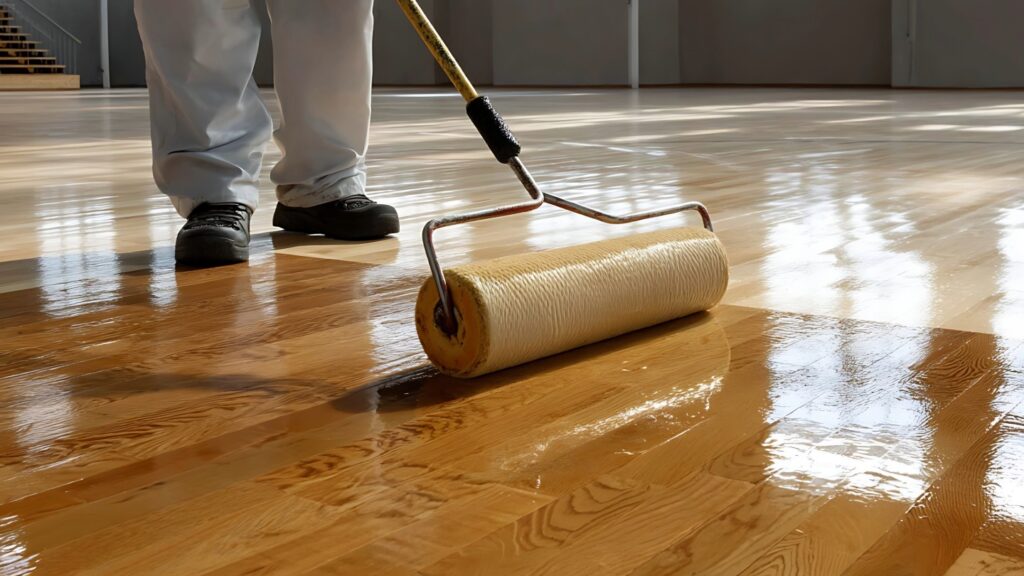
Right then, you’ve picked your lacquer, whether it’s the eco-friendly water-based stuff or the old-school solvent-based option. Now comes the bit that really makes a difference: how you actually put it on. Get this wrong, and even the best lacquer can look a bit rubbish. So, let’s talk about making sure your sports hall floor looks the business.
Surface Preparation is Key
Honestly, this is probably the most important step. You can’t just slap lacquer onto a dirty, uneven floor and expect magic. Think of it like painting a wall – you wouldn’t just go for it without prepping, would you? Same idea here, but even more so because this floor takes a beating.
- Cleanliness is next to godliness: Give the floor a really thorough clean. We’re talking sweeping, vacuuming, and then a proper degreasing if needed. Any dust, dirt, or old polish will stop the new lacquer from sticking properly.
- Smooth operator: Check for any bumps, scratches, or old lacquer patches. You might need to sand the floor down. This isn’t just about making it look nice; it’s about creating a uniform surface for the lacquer to grip onto.
- Check for damp: Make sure the floor is completely dry. Moisture is the enemy of fresh lacquer, especially water-based ones. Give it plenty of time to air out.
Application Methods Explained
How you apply the lacquer depends a bit on the type you’re using and the tools you have. Most pros use rollers, but there are a couple of ways to go about it.
- Roller application: This is the most common method. You’ll want a good quality, lint-free roller. Work in manageable sections, applying thin, even coats. Don’t try to do too much at once, or you’ll end up with lap marks.
- T-bar applicator: Some people prefer these for a really smooth, even spread. They work similarly to rollers but can give a more consistent finish if you’re careful.
- Brushwork: You’ll mainly use brushes for the edges and corners where a roller can’t reach. Again, use a good quality brush to avoid stray bristles.
The trick is to apply thin, even coats, working with the grain of the wood.
Achieving a Flawless Finish
Getting that perfect, smooth finish takes a bit of patience and attention to detail. It’s not just about slapping it on and walking away.
- Multiple thin coats: It’s almost always better to apply two or three thin coats rather than one thick one. This helps with drying, adhesion, and the overall look.
- Light sanding between coats: For water-based lacquers especially, a very light sanding with fine-grit sandpaper between coats can make a huge difference. It knocks down any tiny imperfections and helps the next coat stick better. Just be sure to clean off all the dust afterwards.
- Drying time: Respect the drying times. Rushing this step is a recipe for disaster. Check the manufacturer’s instructions – they know their product best.
Applying lacquer isn’t rocket science, but it does require a bit of care. Think about it like getting dressed up for a big event; you wouldn’t just throw on whatever. You take your time, make sure everything’s neat, and the end result is something you’re proud of. The same applies to your sports hall floor. A bit of effort now means a floor that looks great and lasts for ages.
Here’s a quick rundown of what to aim for:
| Lacquer Type | Recommended Coats | Drying Time (Touch Dry) | Sanding Between Coats? | Notes |
|---|---|---|---|---|
| Water-Based | 2-3 | 1-2 hours | Yes (lightly) | Good ventilation needed. |
| Solvent-Based | 2 | 4-6 hours | No (usually) | Strong fumes, good ventilation vital. |
Remember, these are general guidelines. Always, always check the specific product instructions before you start.
Want to make sure your sports hall floor is top-notch? Getting the right techniques is key to amazing results. We’ve got the know-how to make your courts perform their best. For the best advice and services, visit our website today!
So, What’s the Verdict?
Right then, we’ve had a look at both water-based and solvent-based lacquers for those sports halls. Honestly, it’s not a simple ‘one is best’ situation. If you’re after something that dries quick and doesn’t smell too much, water-based is probably your go-to. It’s generally better for the environment too, which is a nice bonus. But, if you need that super tough, long-lasting finish that can take a real beating, especially in high-traffic areas, the solvent-based stuff might still be the champion. It’s a bit of a trade-off, really. Think about how the hall is used, how often it’s cleaned, and what kind of look you’re after. Chatting with a pro who knows their lacquers is probably the smartest move to make sure you pick the right one for your specific needs. Get it wrong, and you’ll be redoing it sooner than you think!
Frequently Asked Questions
What’s the main difference between water-based and solvent-based lacquers for sports halls?
Think of it like this: water-based lacquers use water as their main ingredient, making them kinder to the environment and quicker to dry. Solvent-based ones use chemicals, which are super tough but take longer to dry and have a stronger smell.
Are water-based lacquers strong enough for a busy sports hall?
Definitely! Modern water-based lacquers are surprisingly tough. They can handle all sorts of sports, from basketball to badminton, without a problem. They’re designed to be really durable.
What are the benefits of using solvent-based lacquers?
Solvent-based lacquers are known for being incredibly strong and resilient. They create a really hard-wearing finish that can withstand a lot of heavy use and protect the floor from scratches and wear really well.
Which type of lacquer dries faster?
Water-based lacquers are the speed demons here! They dry much quicker than solvent-based ones, which means your sports hall can get back to being used sooner. This is a big plus for busy venues.
Are there any health or safety worries with these lacquers?
With solvent-based lacquers, you need to be more careful because of the strong fumes. Good ventilation is a must. Water-based lacquers are generally safer to work with and have less impact on air quality.
How do I know which lacquer is best for my sports hall?
It really depends on what you need! If you want something eco-friendly and fast-drying, go water-based. If you need the absolute toughest, most traditional finish and can manage the drying time and fumes, solvent-based might be your pick. Always check the manufacturer’s advice too!