A sprung floor is a floor built on a shock-absorbing sub-structure, so the playing surface flexes slightly under impact and gives some of that energy back. Unlike a surface laid straight onto concrete, it cushions landings, reduces the jarring that runs through ankles, knees and backs, and makes long sessions of sport or dance far less tiring.
Most school sports halls, leisure centre halls and dance studios sit on some form of sprung floor, even if nobody on site has seen what is underneath the boards. This guide explains how sprung floors work, how they are built, the different types, and how to tell when one needs attention. Courtship Flooring has installed and restored sprung floors for schools, colleges, universities and leisure centres since 1987, and our sprung floor installation and restoration service sets out the systems we fit.
How Does A Sprung Floor Work?
A sprung floor works by putting a controlled amount of give between the surface you play on and the solid structure below. When a player lands, the top layer deflects by a few millimetres, the resilient layer underneath compresses, and the load spreads across a wider area of the floor. As the floor recovers, it returns part of that energy, which is why a good sprung floor feels lively underfoot without feeling bouncy.
The aim is balance. Too stiff and the floor behaves like concrete, passing the full force of every landing back into the body. Too soft and players sink, lose energy with every step and struggle to change direction. A well-designed system also deflects evenly, so a ball bounces the same in the centre circle as it does near the baseline, and the floor feels consistent wherever you stand.
How Are Sprung Floors Made?
Early sprung floors, such as those in Victorian ballrooms, used leaf or coil springs beneath the boards. They worked, but they could be too lively for sport and difficult to keep level. Modern sports and dance floors use engineered layers instead. A typical build-up, from the bottom, looks like this:
- Prepared base: a level, dry concrete slab or existing structural floor, with a damp-proof membrane where moisture readings call for one.
- Resilient layer: rubber or foam pads, or a continuous foam backing, which provide the shock absorption.
- Battens or sleepers: timber battens fixed onto the pads, sometimes in two layers laid at right angles to spread loads more evenly.
- Load-spreading layer: plywood or boards that bridge the battens, used in some systems and not others.
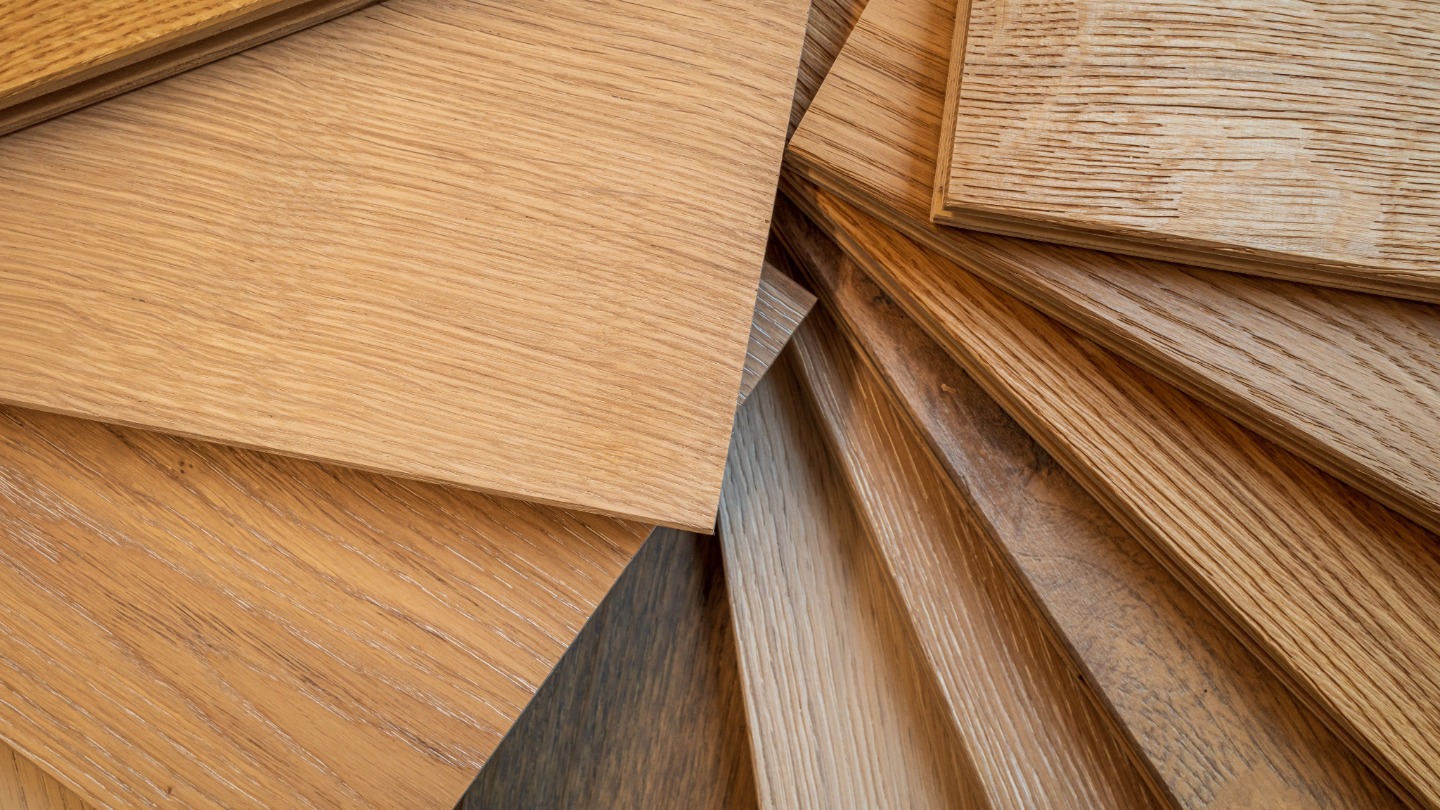
- Performance surface: solid hardwood such as maple, beech or oak, engineered timber, or a vinyl, lino or PU surface for dance and multi-use spaces.
Around the edge, a deliberate expansion gap lets the timber move with seasonal changes in humidity, usually hidden behind ventilated skirting. Build-up height varies from system to system, so door thresholds, ramps and fixed equipment all need planning before work starts. The right combination depends on the activities, the sub-floor and the budget, which is why we specify each system for the building it is going into. Our wooden sports flooring page covers the timber options in more detail.
Area Elastic, Point Elastic And Combined Elastic Floors
Sports floors are usually described by how they respond to impact, and the terms are worth knowing when you compare quotes.
Area elastic floors spread the deflection over a wide area. A timber sprung floor is the classic example: land in one place and the surrounding boards share the load. They suit multi-sport halls, basketball, netball, badminton and dance, and they give a consistent ball bounce.
Point elastic floors deform only directly under the point of impact. Foam-backed vinyl or poured PU laid directly onto a slab works this way. They are comfortable for low-impact and barefoot use and can be more economical, but they behave differently under rolling loads and for sports that depend on ball bounce. Our vinyl and PU sports flooring page covers these surfaces.
Combined elastic floors pair a sprung sub-floor with a softer top layer, such as a sports vinyl over a sprung timber base. They aim to give the load-spreading of an area elastic floor with extra comfort at the surface, and are common in dance and fitness studios.
Sprung Floor Vs Spring Floor
The two terms are often confused. A sprung floor is the shock-absorbing floor found in sports halls, school gyms and dance studios. It is designed to cushion and protect, with only a small amount of rebound.
A spring floor is specialist gymnastics and cheerleading equipment. Competition floors use a square exercise area of around 12 metres, built from panels on springs or foam blocks and covered with carpet, and they are designed to give plenty of bounce so athletes can gain height in tumbling. Spring floors are usually supplied by gymnastics equipment specialists and laid on top of a hall floor, whereas a sprung floor is a permanent part of the building. If your hall hosts a gymnastics club, the sprung floor underneath still matters, because it carries mats, apparatus and spectators the rest of the time.
The Health & Safety Benefits
Those who dance on hard, inflexible surfaces will eventually suffer more wear and tear to their joints. There’s a link between flooring quality and sporting injuries. When the floor is appropriate for the activity, there is a reduced likelihood of falls causing serious injury on impact.
Rigid surfaces don’t absorb and return energy very well, so the dancer needs to make a lot more effort to carry out energetic movements. This means that standard flooring requires a lot more energy to dance on, leading to faster fatigue.

Where Should Sprung Flooring Be Used?
Sprung floors are recommended wherever people run, jump, land or dance repeatedly. Dance studios are the obvious example, but most indoor sport benefits from a floor with some give. Typical applications include:
- School and college sports halls and gyms used for PE, clubs and exams
- Leisure centre halls hosting badminton, basketball, netball, five-a-side and fitness classes
- Dance, drama and performing arts studios
- Community and village halls that mix sport, classes and events
- Fitness and aerobics studios where classes involve repeated jumping
Each activity needs a slightly different balance of shock absorption, energy return and grip. Basketball relies on reliable ball bounce, ballet needs controlled traction for turns, and a hall used for exams and events also has to cope with rolling loads and staging. Weights areas are a different case: dropped weights need dense rubber protection, so we usually zone them separately, as explained on our fitness suite flooring page. It is best to discuss every intended use with your contractor before a system is chosen.
How Does A Sprung Dance Floor Work?
A sprung dance floor uses the same principle as a sports floor, tuned for dance. The sub-floor is usually an area elastic system of battens on resilient pads or foam, and the surface is chosen for the styles taught. Many ballet and contemporary studios use a vinyl dance surface over the sprung base for controlled grip, tap generally calls for a timber surface, and multi-style schools often keep a timber floor and lay portable vinyl on top when needed.
Dancers spend hours jumping and landing, often barefoot or in thin shoes, so the floor does much of the work that cushioned footwear does in other sports. A dead or overly stiff patch is felt straight away in shins and knees. For studios we look at the sub-floor, the surface, sound transfer to neighbouring rooms and the cleaning regime together, and our dance studio flooring page explains the options.
Sprung Floors And BS EN 14904
In the UK, indoor sports surfaces are assessed against BS EN 14904, the European standard for multi-sports indoor surfaces, which superseded the older British standard BS 7044 Part 4. It sets tests for properties including shock absorption (force reduction), vertical deformation, ball rebound, slip resistance and resistance to rolling loads, and Sport England’s design guidance for sports halls refers to it.
When you compare systems, ask for test data against BS EN 14904 for the exact build-up being offered, not just the surface product. The results depend on the whole system: pads, battens, boards and finish working together. Slip resistance also changes over the life of a floor as finishes wear and cleaning residues build up, which is why many facilities have it checked periodically with pendulum slip testing.
How To Tell If Your Floor Is Sprung, And When It Needs Attention
Without lifting a board, there are a few clues. Sprung floors usually sit higher than the adjoining corridor, with a ramp or threshold strip at the doors. There is often a ventilated skirting or a visible gap at the walls, the floor gives very slightly when someone jumps nearby, and footsteps sound evenly hollow across the hall.
Problems tend to show up as:
- dead spots where a ball loses its bounce or the floor feels solid
- soft or spongy areas, often near doors, equipment sockets or the site of an old leak
- squeaks, creaks and boards that move underfoot
- cupping, lifting or dark staining that points to moisture
- a ball bounce that changes noticeably across the court
Most of these can be repaired locally by replacing compressed pads, failed battens or damaged boards, without replacing the whole floor. A sports hall floor inspection will show what is happening below the surface, and our sports hall floor repairs team can put it right.
Looking After A Sprung Floor
The sprung structure itself needs very little attention as long as it stays dry. Water is the main threat: a leaking roof, a burst pipe or a flooded corridor can swell boards and battens, and regular wet mopping slowly does the same. Keep cleaning to dust control, approved sports floor cleaners and machine cleaning with minimal water.
The surface wears faster than the structure underneath. A timber sprung floor can be screened and recoated to refresh the seal, then fully sanded, resealed and relined when the finish and markings are worn through, and this can be repeated several times over its life. As a guide, a full sand, seal and reline of a gym of around 240 m² takes five to six working days, while a deep clean, abrade and reseal is a two-day job that can often be done over a weekend. Our sports hall floor maintenance service covers deep cleaning, screen and recoat and planned programmes.
What Affects The Cost Of A Sprung Floor?
There is no single price for a sprung floor, because the cost depends on choices that vary from one building to the next. The main factors are:
- the floor area and shape of the room
- the type of sprung system and its build-up height
- the surface: solid hardwood, engineered timber, vinyl, lino or PU
- the condition of the slab, including levelling and moisture protection
- line markings for the sports played
- access, working hours and whether work must fit into school holidays
For an existing floor, restoration usually costs far less than replacement, because the structure underneath is often sound. We provide itemised quotes, so committees, bursars and funders can see exactly what each element costs.
Common Questions About Sprung Floors
Is a floating floor the same as a sprung floor?
Not always. A floating floor is any floor that is not fixed directly to the structure below, so the term covers sprung sports floors but also acoustic floors and some domestic laminate floors. If shock absorption matters, ask about the sprung system itself and its test data.
Can a sprung floor be installed in an existing building?
Usually, yes, provided the slab is sound and dry and there is enough height for the build-up at doors and thresholds. We check levels, moisture readings and access before recommending a system.
How long does a sprung floor last?
A well-maintained timber sprung floor can stay in service for decades, with periodic sanding and resealing to renew the surface. The sub-structure generally lasts as long as it is kept dry, which is why leaks and wet cleaning are the things to watch.
For Sports Floors, Choose Courtship Flooring
Whether you need a new sprung floor for a sports hall, school gym or dance studio, or an existing one brought back to life, our own teams can help. We work with schools, colleges, universities, leisure centres and clubs across the UK. Contact our team or call 01823 674562 to talk through your floor.